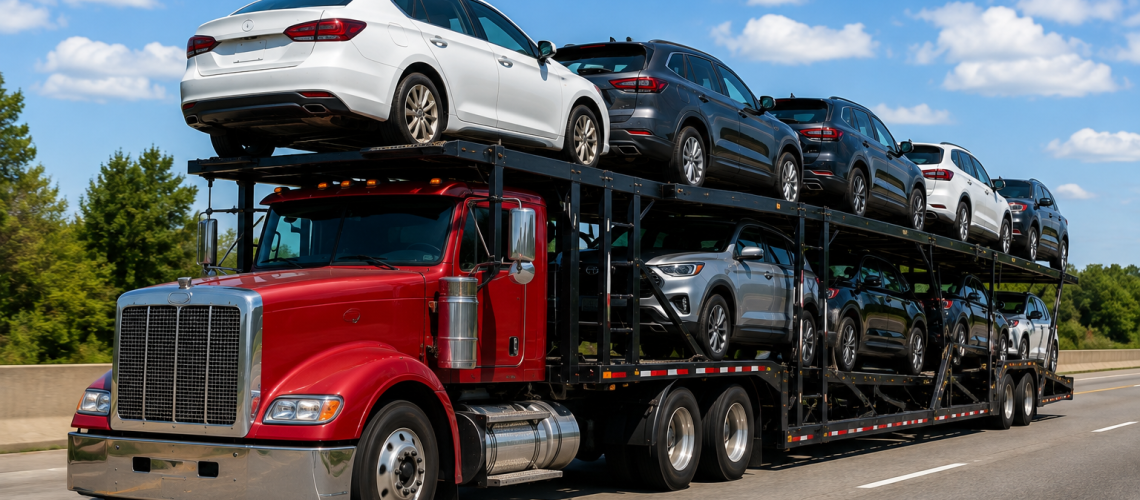
Interstate vehicle shipping moves a car, SUV, pickup, or other vehicle from one state to another without requiring you to drive it yourself. Webster Hauling arranges transportation with qualified motor carriers for relocations, online purchases, seasonal moves, dealership transfers, and other state-to-state shipments.
To begin, provide the pickup ZIP code, delivery ZIP code, vehicle details, operating condition, and first available pickup date. From there, the shipment can be matched with the equipment and route that fit the move.
Get an Interstate Auto Transport Quote
For accurate pricing, use the exact pickup and delivery ZIP codes rather than broad state-to-state estimates.
How Interstate Vehicle Shipping Works
The process is straightforward when the shipment details are accurate. First, the customer provides the route and vehicle information. Next, transportation is arranged with a qualified motor carrier that can serve the route.
- Provide the vehicle year, make, and model.
- Enter the pickup and delivery locations.
- Explain whether the vehicle runs, rolls, steers, and brakes.
- Choose open or enclosed transportation.
- Confirm the first available pickup date.
- Prepare and photograph the vehicle.
- Complete the pickup inspection.
- Stay available for pickup and delivery communication.
- Inspect the vehicle again at delivery.
Because each shipment is different, exact timing and carrier availability can vary. Accurate information at the start helps reduce avoidable delays later.
Information Needed for State-to-State Auto Transport
A carrier needs more than the names of two states. Vehicle size, condition, modifications, and exact locations can all affect loading and routing.
Before requesting transportation, have these details ready:
- Vehicle: year, make, model, and body style.
- Locations: pickup and delivery ZIP codes or cities.
- Condition: whether the vehicle starts, drives, rolls, steers, and brakes.
- Modifications: lift kits, oversized tires, lowered suspension, or other changes.
- Timing: first available pickup date and any firm deadlines.
- Transport type: open or enclosed equipment.
If a detail changes before pickup, update the transportation provider. That keeps the carrier information accurate and helps avoid surprises at loading.
Open or Enclosed Options for Interstate Vehicle Shipping
Standard Open Carrier Service
For most everyday cars, SUVs, pickups, and vans, open transport is the common choice. It usually provides broad carrier availability and competitive pricing on interstate routes.
To compare equipment and exposure, review our open car transport guide.
Enclosed Carrier Service
By contrast, enclosed equipment protects the vehicle from direct weather and road exposure. Owners often consider it for classic, collector, exotic, luxury, restored, or especially valuable vehicles.
More information is available in our enclosed car transport guide.
Which option makes sense?
For a typical daily driver, open transport is usually the practical choice. However, enclosed transport may be worth the added cost when extra protection matters more than the lowest available price.
Interstate Vehicle Shipping Costs and Pricing Factors
There is no single flat rate for moving every vehicle between states. Distance matters, but several other factors can change carrier pricing.
Mileage, freight corridors, and pickup or delivery access affect pricing.
Larger or heavier vehicles use more trailer space.
Non-running vehicles may need a winch or other loading equipment.
Seasonal demand and pickup flexibility can affect carrier availability.
In addition, enclosed equipment generally costs more than open transport because trailer capacity is lower. A rural location can also require extra routing compared with a major interstate corridor.
Therefore, compare quotes using the same route, vehicle, transport type, and timing. Price alone does not tell you whether two quotes include the same service.
Timing for Interstate Vehicle Shipping Between States
Transit time depends on distance, route, weather, traffic, carrier stops, and pickup or delivery access. A move between neighboring states naturally differs from a shipment that crosses several regions.
However, mileage alone does not produce a reliable delivery date. Commercial drivers must follow applicable driving and rest requirements, and road conditions can change during the trip.
For a deeper explanation, see our vehicle shipping time guide.
Preparing for Interstate Vehicle Shipping
Good preparation makes the pickup inspection easier and can prevent delays. Start by removing valuables and unnecessary loose belongings from the vehicle.
Next, take clear photographs from several angles. Also check the tires, battery, major fluid leaks, and any accessories that could affect loading.
- Have the required keys ready.
- Make sure the vehicle is accessible.
- Secure loose exterior accessories.
- Disclose known mechanical problems.
- Report major modifications.
- Keep your pickup contact information current.
Finally, review our vehicle transport checklist before pickup before the carrier arrives.
Interstate Vehicle Shipping Pickup and Delivery
Door-to-door service does not always mean a large carrier can stop directly in front of a home or apartment. Instead, the driver gets as close to the requested address as safety, truck access, and local rules allow.
Narrow streets, low branches, steep roads, tight turns, weight restrictions, gated entrances, or limited loading space can block access. In that situation, the driver and customer can coordinate a nearby safe meeting point.
During delivery, inspect the vehicle before completing the final paperwork. Compare its condition with the photographs and pickup documentation you already have.
Can You Ship a Vehicle Bought in Another State?
Yes. State-to-state car shipping is useful when you buy a vehicle from a dealership, auction, or private seller in another state.
Before scheduling transportation, confirm that the seller has released the vehicle and that the required paperwork is complete. Also make sure the pickup contact knows that a motor carrier will arrive.
For dealer purchases, see our dealership vehicle transport guide.
Interstate Vehicle Shipping for Non-Running Vehicles
Many non-running vehicles can be transported when the assigned carrier has suitable loading equipment. The key is describing the condition accurately before the carrier accepts the shipment.
A car that does not start but rolls freely has different loading requirements from a damaged vehicle with locked wheels. Therefore, tell us whether the vehicle starts, drives, rolls, steers, and brakes.
For more detail, read our inoperable car shipping guide.
Why Work With Webster Hauling?
Webster Hauling is a veteran- and family-owned auto transport broker with more than 25 years of industry experience. We arrange transportation with qualified motor carriers rather than operating our own fleet.
That broker role matters because the carrier that physically moves the vehicle can vary by route, equipment, timing, and availability. Our job is to review the shipment, explain the options, coordinate communication, and arrange transportation that fits the move.
Consumers can review registered motor carrier information through the FMCSA SAFER Company Snapshot.
Interstate Vehicle Shipping FAQs
Can I Ship a Car From One State to Another?
Yes. A motor carrier can transport a vehicle across state lines without requiring the owner to drive it to the destination.
Is Open Transport Available Between States?
Open carriers commonly move everyday passenger vehicles on interstate routes. Enclosed transportation is another option when added protection is important.
Can Weather Delay Interstate Auto Transport?
Severe weather, unsafe roads, flooding, snow, ice, high winds, or other conditions can affect transportation schedules. For that reason, safety should take priority over an estimated arrival time.
Can Someone Else Release My Vehicle?
In many situations, another responsible person can handle pickup. Make sure that person has the keys, vehicle access, and the information needed for the inspection.
What If My Vehicle Does Not Run?
Tell the transportation provider before pickup. Explain whether the vehicle starts, rolls, steers, and brakes so the correct loading requirements can be evaluated.
Can Personal Belongings Stay Inside the Vehicle?
Carrier policies vary, so confirm the assigned carrier’s rules before pickup. You can also read our personal belongings guidance.
Plan Your State-to-State Vehicle Shipment
Successful interstate vehicle shipping starts with accurate vehicle information, realistic scheduling, proper preparation, and clear communication. Route, condition, transport type, carrier availability, weather, and access can all influence the move.
When you are ready, have the vehicle year, make, model, condition, pickup location, destination, and preferred dates available. Then request a current route-specific quote from Webster Hauling.
Ready to Move a Vehicle Between States?
Get a current quote based on your actual vehicle, route, and pickup timing.
For longer coast-to-coast moves, visit our cross-country shipping guide. You can also review our auto transport FAQs for more pickup, delivery, insurance, and scheduling information.
