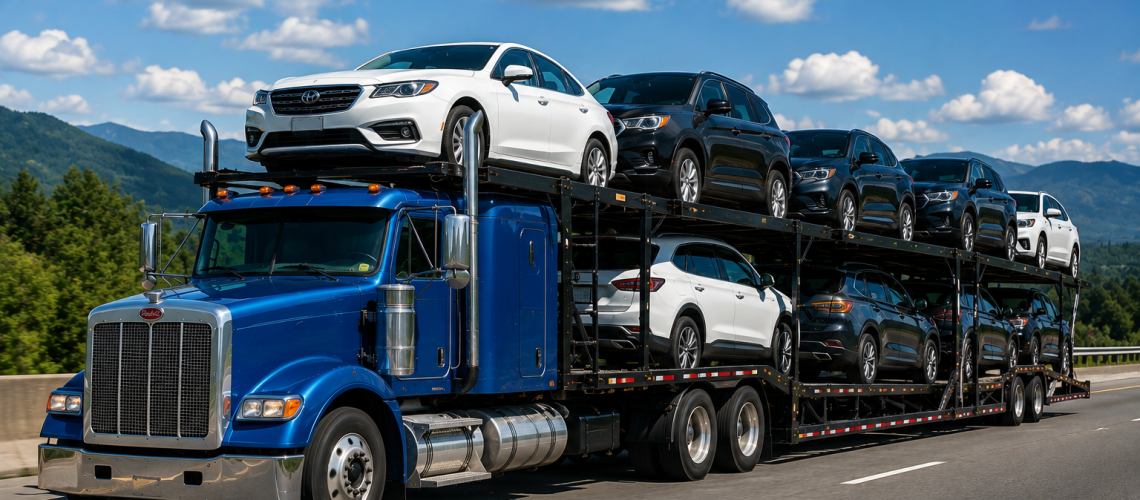
Interstate car transport allows you to move a vehicle from one state to another without making the drive yourself. The process typically includes providing vehicle and route information, coordinating pickup, preparing the car, loading it onto a carrier, transportation across state lines, and delivery.
State-to-state vehicle transportation can be useful when moving, buying a car online, selling to an out-of-state buyer, relocating for work, attending college, or moving seasonally.
How Does Interstate Car Transport Work?
The interstate car transport process usually follows several basic steps:
- Provide information about the vehicle.
- Provide pickup and delivery locations.
- Discuss your preferred transportation dates.
- Choose open or enclosed transportation.
- Coordinate carrier pickup.
- Prepare and inspect the vehicle.
- Load and secure the automobile.
- Transport it across state lines.
- Coordinate delivery and complete an inspection.
Knowing these steps beforehand can make state-to-state transportation easier to plan.
What Information Is Needed for State-to-State Car Shipping?
Accurate information helps the transportation provider understand the shipment and loading requirements.
Be prepared to provide:
- Vehicle year
- Make
- Model
- Pickup city or ZIP code
- Delivery city or ZIP code
- Operating condition
- Preferred dates
- Significant modifications
- Open or enclosed transport preference
If something changes before pickup, update the provider.
This is particularly important if the pickup location, vehicle condition, or transportation dates change.
Open vs. Enclosed Interstate Auto Transport
One important decision is the type of carrier used to move your automobile.
Open Car Transport
Open carriers are commonly used for everyday vehicles such as sedans, SUVs, pickups, and vans.
The automobiles are secured to an open carrier and experience normal weather and road exposure while traveling.
For many standard passenger vehicles, open transportation is a practical option.
Enclosed Car Transport
Enclosed transportation provides additional protection from direct weather and road exposure.
It may be considered for:
- Classic cars
- Collector automobiles
- Exotic vehicles
- Luxury cars
- Restored vehicles
- Particularly valuable automobiles
When arranging interstate car transport, make sure you understand which transportation method is being discussed.
How Should You Prepare a Car for Interstate Transport?
Preparing the automobile before pickup can help the process go more smoothly.
Before state-to-state vehicle transport:
- Remove valuables and unnecessary belongings.
- Have the keys ready.
- Make sure the automobile is accessible.
- Secure loose exterior accessories.
- Check for significant fluid leaks.
- Disclose known mechanical problems.
- Mention important modifications.
- Confirm your contact information.
- Take photographs of the vehicle.
If someone else is handling pickup, make sure that person knows when the carrier is expected and has access to the vehicle and keys.
Why Vehicle Condition Matters
The carrier needs accurate information about the automobile’s operating condition.
Explain whether the vehicle:
- Starts
- Drives
- Rolls
- Steers
- Brakes
A vehicle that doesn’t start but still rolls and steers can present a different loading situation from a damaged automobile with wheels that won’t move.
Providing these details before interstate car transport helps reduce surprises when the carrier arrives.
What Happens During the Pickup Inspection?
Documenting vehicle condition is an important part of the pickup process.
Consider taking photographs showing:
- Front
- Rear
- Driver side
- Passenger side
- Wheels
- Windshield
- Existing scratches
- Existing dents
- Other noticeable damage
Keep these photographs available until transportation is complete.
After the appropriate pickup procedures, the vehicle can be loaded and secured to the carrier.
Can a Car Carrier Pick Up at Your House?
In many situations, interstate auto transport can be coordinated as close to the requested address as safely and legally practical.
However, large vehicle carriers need substantial room.
Access can be affected by:
- Narrow residential streets
- Tight corners
- Low-hanging trees
- Steep roads
- Gated communities
- Weight restrictions
- Parking restrictions
- Limited loading areas
If the carrier can’t safely reach your exact address, a nearby accessible meeting point may need to be arranged.
The same issue can occur at delivery.
How Long Does Interstate Car Transport Take?
The transportation timeline depends on the individual shipment rather than distance alone.
Factors affecting interstate car transport can include:
- Total mileage
- Route
- Carrier availability
- Pickup location
- Delivery location
- Weather
- Traffic
- Construction
- Other scheduled stops
A trip between neighboring states will naturally differ from a route covering a large portion of the country.
Commercial drivers also have to operate safely and follow applicable driving and rest requirements.
Why Can Pickup or Delivery Timing Change?
Vehicle carriers operate on public highways, so transportation conditions can change after pickup.
Potential causes of schedule changes include:
- Severe weather
- Traffic accidents
- Construction
- Detours
- Road closures
- Other scheduled pickups
- Other scheduled deliveries
These factors can influence a vehicle transport schedule even when the original estimate was reasonable.
If you have an important deadline, communicate it when arranging transportation.
Can You Transport a Car Purchased in Another State?
Yes. Buying a vehicle far from home is a common reason people consider interstate car transport.
Pickup may be arranged from a:
- Dealership
- Private seller
- Auction
- Other authorized location
Before arranging transportation, confirm that the vehicle is actually available for release.
The seller or dealership should know about the carrier pickup and have the necessary keys and access available.
Can SUVs and Pickup Trucks Be Transported Between States?
State-to-state transportation isn’t limited to passenger sedans.
Carriers may transport:
- Cars
- SUVs
- Crossovers
- Pickup trucks
- Vans
- Classic vehicles
- Luxury automobiles
Larger vehicles and modifications should be disclosed accurately.
For example, a lifted pickup with oversized tires may have different loading requirements than the factory version of the same truck.
What About Non-Running Vehicle Transport?
Non-running vehicles may require different loading arrangements or equipment.
When arranging state-to-state car shipping, explain the vehicle’s actual condition instead of simply saying it doesn’t run.
Knowing whether it rolls, steers, and brakes gives the transportation provider more useful information.
Unexpected condition problems discovered at pickup can complicate loading.
What Happens While Your Car Is Being Transported?
An auto carrier may transport several customer vehicles on the same trip.
The route can therefore include additional pickups and deliveries.
Traffic, weather, construction, and highway conditions can also influence the car shipping timeline.
Keep your contact information current while the automobile is traveling so transportation arrangements can be communicated as needed.
What Should You Do at Delivery?
When the automobile arrives, inspect it before completing the delivery process.
Compare its condition with:
- Your pickup photographs
- Your notes about existing damage
- Applicable transportation documentation
Look at the body panels, glass, wheels, and other areas you photographed before shipment.
This gives you a consistent before-and-after reference for your interstate car transport.
How Do You Choose an Interstate Auto Transport Provider?
Price matters, but it shouldn’t be the only factor you consider.
Make sure the provider understands your:
- Exact vehicle
- Vehicle condition
- Pickup location
- Destination
- Preferred dates
- Transportation method
- Significant modifications
You can research motor carrier information through the Federal Motor Carrier Safety Administration and review federal transportation information through the U.S. Department of Transportation.
Webster Hauling also has an A+ rating with the Better Business Bureau.
Interstate Car Transport FAQs
Can You Transport a Car to Another State?
Yes. Interstate car transport is used to move automobiles across state lines without requiring the owner to personally drive the vehicle to its destination.
Is Open Transport Good for Interstate Car Shipping?
Open carriers are commonly used for everyday passenger vehicles traveling between states. Enclosed transportation is another option when additional protection from direct weather and road exposure is preferred.
Can Weather Delay State-to-State Transport?
Yes. Snow, ice, storms, flooding, high winds, road closures, and other unsafe conditions can affect a vehicle shipping schedule.
Can Someone Else Handle Pickup?
Depending on the transportation arrangements, another authorized person may be able to release the automobile. Make sure that person has access to the vehicle and keys and understands the pickup arrangements.
Can a Non-Running Car Be Transported?
Transportation may be possible, but loading requirements can differ. Explain whether the automobile starts, drives, rolls, steers, and brakes before pickup.
For more information about transporting a vehicle, visit Webster Hauling’s Frequently Asked Questions page.
Arrange Your Interstate Car Transport
Successful interstate car transport starts with accurate information, proper vehicle preparation, realistic scheduling, and clear communication.
Your route, vehicle condition, transportation method, carrier availability, weather, and pickup and delivery locations can all influence the process.
Webster Hauling helps customers coordinate state-to-state vehicle transportation for moves, purchases, sales, relocations, and other transportation needs.
Have your vehicle year, make, model, condition, pickup location, destination, and preferred dates ready when you contact Webster Hauling.
