Dealership vehicle transport helps buyers and dealerships move cars, SUVs, pickups, vans, and specialty vehicles between dealer lots and delivery locations without requiring the customer to retrieve the vehicle in person. Webster Hauling operates as an auto transport broker, so we arrange transportation with qualified motor carriers rather than operating our own fleet.
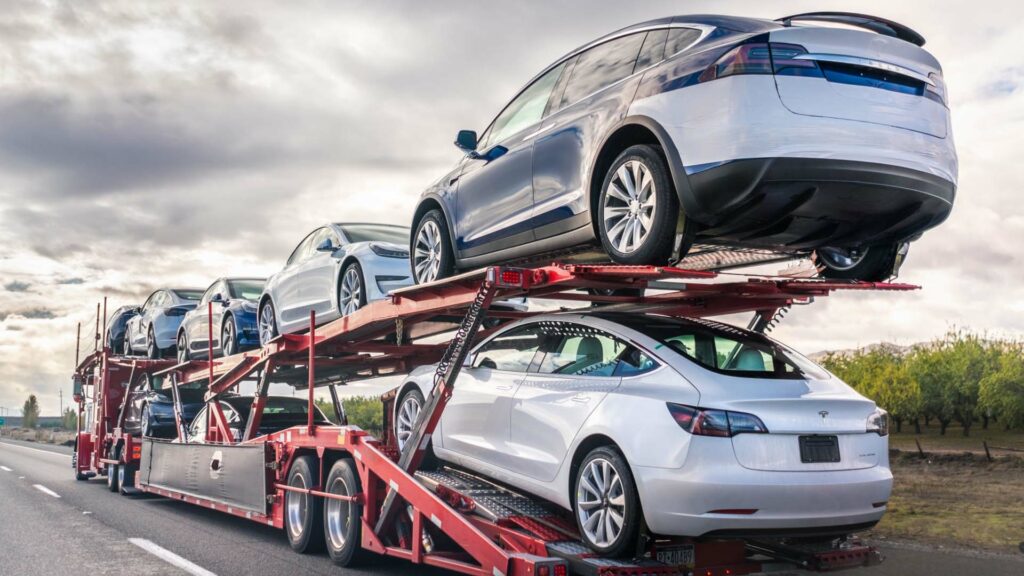
Because dealerships have their own release procedures, pickup hours, storage areas, and contacts, successful dealer vehicle shipping depends on accurate coordination. Therefore, confirm the exact dealership address, vehicle location, release status, operating condition, and receiving contact before the carrier arrives.
How Dealership Vehicle Transport Works
First, provide the vehicle year, make, model, dealership address, delivery ZIP code, operating condition, and preferred pickup timing. In addition, share the name and phone number of the dealership employee who can release the vehicle.
Next, Webster Hauling reviews the route, equipment needs, carrier availability, and pickup requirements. After we arrange transportation, the motor carrier contacts the pickup location and coordinates arrival. At delivery, the receiving party should inspect the vehicle before completing the final paperwork.
Confirm the Vehicle Is Ready for Dealer Pickup
A carrier can lose valuable time if the dealership has not completed the paperwork or cannot locate the vehicle. For that reason, buyers should confirm that the transaction is complete and the automobile is available for release before scheduling pickup.
- Release status: Ask whether the dealer has cleared the vehicle for pickup.
- Keys: Confirm that the dealership has all required keys available.
- Contact: Identify the employee or department that will meet the carrier.
- Location: Verify the actual lot or storage area where the vehicle sits.
- Hours: Check the dealership’s pickup hours and any weekend restrictions.
- Access: Make sure a large auto carrier can reach the pickup area safely.
Meanwhile, give the dealer the buyer’s name and transportation information when its release procedure requires those details. Clear communication can prevent a simple paperwork issue from delaying dealership car shipping.
Open or Enclosed Dealer Car Transport
Standard Open Auto Transport
Most everyday vehicles move on open carriers. This option commonly works for new and used sedans, SUVs, pickups, vans, and crossovers because open equipment serves many interstate routes.
However, the vehicle remains exposed to normal outdoor weather and road conditions during transit. Our open car transport guide explains this option in more detail.
Enclosed Auto Transport
Owners of classic, collector, exotic, luxury, restored, or especially valuable vehicles may prefer enclosed transportation. A covered trailer adds protection from direct weather and normal road exposure.
Because fewer enclosed carriers operate on many routes, availability and pricing can differ from open transport. Review our enclosed car transport guide if added protection is important for the vehicle.
What Affects Dealership Vehicle Transport Cost?
Transportation prices depend on the actual shipment rather than one universal dealer rate. Distance matters, but vehicle size, operating condition, equipment type, pickup flexibility, fuel costs, seasonal demand, and current carrier availability can also influence the price.
For example, a full-size pickup uses more trailer space than a compact sedan. Likewise, a non-running automobile may require additional loading equipment. A remote dealership or delivery address can also reduce the number of carriers that regularly serve the route.
Therefore, a current quote based on the actual vehicle and route provides more useful information than an old advertised price. Our car shipping cost guide explains the main pricing factors.
Buying a Vehicle From an Out-of-State Dealership
Dealer vehicle shipping can make an out-of-state purchase easier because the buyer does not need to fly or drive to the dealership simply to retrieve the automobile. Before arranging transport, however, confirm that the dealership can release the vehicle to a third-party motor carrier.
Some dealers require the buyer to complete payment, identification, title, financing, or release paperwork before anyone can remove the vehicle from the property. In addition, the dealership may need the carrier’s company information before pickup.
Once those requirements are complete, provide the transportation company with the correct lot address and release contact. That step matters because large dealer groups sometimes keep inventory at several nearby locations.
Vehicle Condition and Photos Before Pickup
Recent photos provide useful documentation before the automobile leaves the dealership. Ask for clear images if you bought the vehicle remotely, especially when you have not inspected it in person.
- Photograph the front and rear.
- Capture both sides of the vehicle.
- Include the wheels and tires.
- Document the windshield and other glass.
- Record existing scratches, dents, or paint damage.
- Save photos of exterior accessories or modifications.
At pickup, the dealership representative and driver should also review the vehicle’s visible condition. Keeping those records available makes the delivery inspection easier.
Shipping a Non-Running Vehicle From a Dealership
A motor carrier can often move a non-running vehicle when it has suitable loading equipment. However, the dealer or buyer should describe the vehicle’s condition accurately before we arrange transportation.
For instance, a car that does not start but still rolls, steers, and brakes requires different planning from a collision-damaged vehicle with locked wheels. Accurate information helps identify the equipment the carrier may need.
Our inoperable car shipping guide covers these situations in more detail.
Dealer Pickup Access and Loading
Large dealerships often provide enough room for an auto carrier, but the driver still needs clear directions. Service departments, sales lots, overflow storage areas, and off-site inventory locations can each have different entrances.
If the main lot cannot safely accommodate the carrier, the dealership and driver can coordinate another suitable loading area. As a result, sharing accurate access instructions before arrival can reduce unnecessary waiting.
Insurance and Carrier Verification
Motor carriers must maintain required operating authority and insurance, but customers should still review the information connected to the assigned carrier. Before pickup, read the transportation agreement and ask questions about any terms you do not understand.
Consumers can research registered motor carriers through the FMCSA SAFER Company Snapshot. This federal resource provides carrier registration and safety information.
How Long Does Dealership Car Shipping Take?
Transit time depends on the exact pickup and delivery locations, route, weather, traffic, construction, carrier schedule, and other planned stops. Longer routes generally require more travel time, yet mileage alone cannot determine an exact arrival date.
In addition, dealership pickup hours can affect the start of the shipment. A carrier that arrives after the release department closes may need to return during the next available pickup period.
If you have a deadline, tell us before we arrange transportation. That information helps everyone understand the timing requirements from the beginning.
Delivery After a Dealership Purchase
The receiving party should keep a phone available as the carrier approaches. If a large truck cannot safely reach the requested address, the driver and customer can coordinate a nearby meeting location.
At delivery, compare the vehicle with the pickup inspection and any photographs you received from the dealer. Report any new issue according to the carrier’s transportation documents and claim instructions.
Why Work With Webster Hauling?
Webster Hauling is a veteran- and family-owned auto transport broker with more than 25 years of industry experience and an A+ Better Business Bureau rating. We review vehicle details, dealership requirements, route conditions, and timing before we arrange transportation with a qualified motor carrier.
Moreover, our broker role gives customers one point of contact for shipment planning and carrier coordination. We do not represent carrier drivers as our employees, and we do not claim to operate the trucks that move customer vehicles.
Dealership Vehicle Transport FAQs
Can a Dealership Release My Vehicle Directly to a Carrier?
Many dealerships can release a vehicle to a motor carrier after the buyer completes the required paperwork and the dealer approves the release. Confirm the dealership’s procedure before scheduling pickup.
Can a Used Car Be Shipped From a Dealer?
Yes, carriers routinely move both new and pre-owned vehicles. Before pickup, disclose the vehicle’s operating condition, modifications, existing damage, and exact location on the dealership property.
Does the Buyer Need to Be Present at Pickup?
Usually, the buyer does not need to stand at the dealership if an authorized employee can release the vehicle. However, the dealer must have the correct release information and transportation details.
Can a Dealer Ship a Vehicle to Another Dealership?
Dealer-to-dealer transportation can support inventory transfers, trades, customer purchases, and specialty vehicle moves. Both dealerships should provide accurate contacts and access instructions.
Request a Dealer Vehicle Shipping Quote
When you are ready to arrange Dealership vehicle transport, provide the dealership address, delivery ZIP code, vehicle information, operating condition, release contact, and preferred dates. Webster Hauling can then review the shipment and current carrier options.
Request a free car shipping quote, or visit our auto transport FAQ page for additional information.
