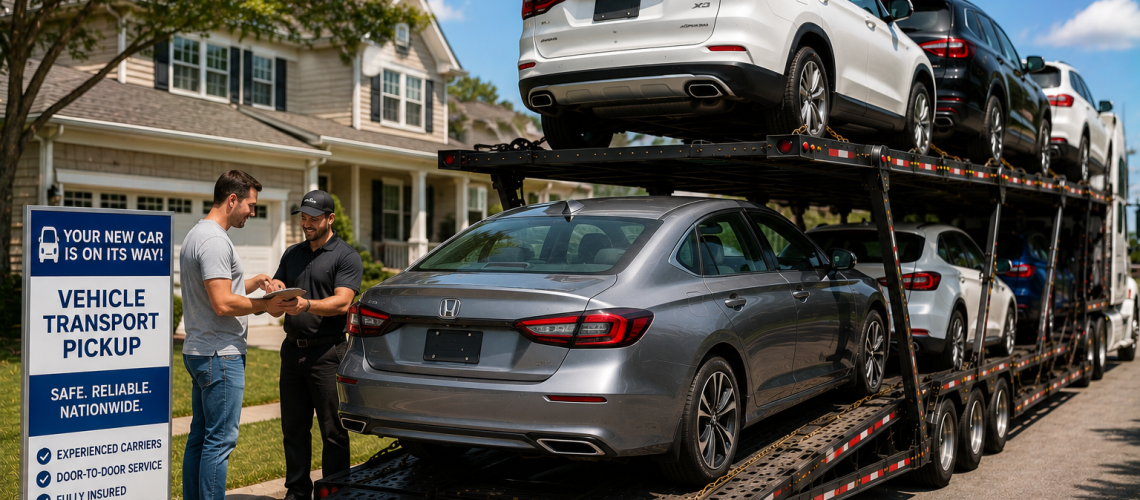
How Do You Ship a Vehicle You Just Purchased?
Purchased vehicle shipping can help move a newly bought car, truck, or SUV from a dealership, private seller, auction, or other pickup location to your requested destination. This can be especially convenient when the vehicle is located in another city or state.
The process works best when the buyer, seller, and transportation provider have accurate information about the vehicle, release status, pickup contact, operating condition, and delivery location.
How Does Purchased Vehicle Shipping Work?
Purchased vehicle shipping generally begins once the automobile is ready to be released by the seller.
Transportation planning usually requires:
- Year, make, and model
- Pickup address
- Delivery location
- Seller or dealership contact
- Operating condition
- Preferred pickup dates
- Vehicle modifications
- Open or enclosed carrier preference
If you’re buying remotely, verify these details before scheduling transportation.
What Information Is Needed for Purchased Car Transport?
Accurate information helps make purchased car transport easier to coordinate.
Have the following ready:
- Correct pickup address
- Seller’s contact information
- Vehicle identification details
- Release status
- Available keys
- Pickup hours
- Vehicle condition
- Delivery contact
If the vehicle is at a dealership or auction, confirm whether there are special release or pickup procedures.
How Should You Arrange Purchased Vehicle Shipping?
Before scheduling purchased vehicle shipping, make sure the transaction has reached the point where the automobile can actually be released.
Confirm that:
- The vehicle is ready for pickup.
- Required release steps are complete.
- Keys are available.
- The pickup contact knows about transportation.
- The vehicle is accessible.
- Its operating condition is accurate.
- Pickup availability is confirmed.
These steps can prevent a carrier from arriving before the automobile is ready.
Can You Ship a Car Purchased in Another State?
Depending on the transportation arrangements, an automobile purchased in another state can be transported to your requested destination.
Interstate vehicle transportation can be useful when buying from:
- Dealerships
- Private sellers
- Auctions
- Collector-car sellers
- Online marketplaces
- Specialty vehicle dealers
Accurate origin and destination information helps with purchased car shipping planning.
Open vs. Enclosed Purchased Vehicle Transport
Carrier choice depends on the automobile and your transportation priorities.
When Does Open Car Shipping Make Sense?
Open carriers are widely used to move everyday passenger vehicles.
They can accommodate many:
- Sedans
- SUVs
- Crossovers
- Pickup trucks
- Minivans
- Standard passenger cars
Vehicles on open carriers experience normal outdoor weather and road exposure.
Open transportation can be an option for many purchased vehicle shipping situations.
When Should You Consider Enclosed Transport?
Enclosed transportation places the automobile inside a covered trailer and reduces direct exposure to weather and normal road conditions.
Buyers may consider enclosed transportation for:
- Classic cars
- Collector vehicles
- Exotic automobiles
- Luxury cars
- Restored vehicles
- Specialty automobiles
Your choice should reflect the vehicle and your priorities rather than assuming one carrier type is necessary for every purchase.
What Should the Seller Do Before Pickup?
The pickup contact should know that a carrier will be arriving.
Ask the seller to:
- Make the vehicle accessible.
- Have the keys available.
- Remove unnecessary belongings.
- Secure loose accessories.
- Disclose mechanical problems.
- Confirm the pickup address.
- Be available during the agreed period.
Good preparation can make purchased car transport easier when the buyer won’t be at pickup.
Should You Get Vehicle Photos Before Shipping?
Recent photographs can be valuable when you’ve purchased an automobile remotely.
Ask for images of the:
- Front
- Rear
- Both sides
- Roof
- Wheels and tires
- Windshield
- Interior
- Existing scratches
- Existing dents
- Other visible defects
These images give you a useful condition reference before transportation.
Keep them available until the automobile has been delivered and inspected.
Does Vehicle Condition Affect Purchased Vehicle Shipping?
Yes. The transportation provider should know whether the automobile operates normally.
Confirm whether it:
- Starts
- Drives
- Rolls
- Steers
- Brakes
- Has inflated tires
- Has significant damage
A running late-model vehicle and a non-running project car can present very different transportation situations.
Accurate condition information is important when arranging purchased vehicle shipping.
What If Your Newly Purchased Car Doesn’t Run?
Tell the transportation provider before scheduling.
If the automobile is non-running, determine whether it:
- Rolls freely
- Steers
- Brakes
- Has inflated tires
- Has locked wheels
- Has damaged suspension
Avoid describing the vehicle only as “non-running.”
More detailed information helps the provider evaluate possible loading requirements.
How Does Pickup Location Affect Vehicle Transport?
The pickup location can influence how transportation is coordinated.
Vehicles may be collected from:
- Dealerships
- Private residences
- Auctions
- Storage facilities
- Repair shops
- Commercial lots
Large carriers require enough room to maneuver and load automobiles.
If direct access isn’t practical, a nearby accessible meeting location may need to be arranged.
Does the Buyer Need to Be at Pickup?
Not necessarily, depending on the arrangements.
A seller, dealership employee, auction representative, or other appropriate person may be able to release the automobile.
The pickup contact should have:
- Keys
- Vehicle information
- Carrier information
- Buyer contact information
- Applicable release instructions
This flexibility is one reason purchased vehicle shipping can be useful for remote purchases.
How Much Does Purchased Vehicle Shipping Cost?
There isn’t one universal price for purchased vehicle shipping.
Transportation pricing can depend on:
- Distance
- Route
- Vehicle size
- Operating condition
- Pickup location
- Destination
- Carrier availability
- Open or enclosed equipment
- Seasonal demand
For a useful quote, provide information about the actual automobile and requested route.
How Does Distance Affect Purchased Car Transport?
Distance is important, but mileage isn’t the only factor affecting transportation timing.
Schedules can also depend on:
- Route
- Carrier availability
- Seller availability
- Pickup requirements
- Delivery location
- Weather
- Traffic
- Construction
- Other scheduled stops
Long-distance purchased car transport generally requires more transit time, but mileage alone shouldn’t be used to promise an exact delivery date.
What Happens When the Carrier Arrives?
The automobile should be accessible and ready for release.
The pickup contact should have the appropriate keys and know which vehicle is being transported.
The transportation provider should already know about important modifications, damage, or operating problems.
Clear communication between the buyer, pickup contact, and carrier can help prevent avoidable delays.
Can Weather Affect Vehicle Shipping?
Yes. Auto carriers travel on public highways and can encounter rain, snow, ice, severe storms, traffic, construction, accidents, and road closures.
These conditions can affect transportation schedules.
Allowing reasonable flexibility can help when coordinating purchased vehicle shipping over longer routes.
What Should You Check When Your Vehicle Arrives?
Compare the automobile with available pre-transport photographs and applicable transportation documentation.
Inspect the:
- Body panels
- Wheels and tires
- Glass
- Roof
- Exterior accessories
- Existing marks
- Previously documented damage
If you purchased the automobile remotely, delivery may be your first opportunity to examine it personally.
Keeping recent seller photographs available provides a useful reference.
How Do You Choose a Purchased Vehicle Transport Provider?
Price is important, but it shouldn’t be the only consideration.
Make sure the transportation provider receives accurate information about the automobile, seller, pickup location, release status, operating condition, destination, and timing.
Consumers can research motor carrier information through the Federal Motor Carrier Safety Administration and transportation information through the U.S. Department of Transportation.
Webster Hauling also has an A+ rating with the Better Business Bureau.
Purchased Vehicle Shipping FAQs
Can I Ship a Car I Just Bought Online?
Depending on the purchase and transportation arrangements, a remotely purchased automobile can be transported from the seller to your requested destination.
Can a Dealership Release My Vehicle to a Carrier?
Depending on dealership procedures, it may be able to release the automobile directly to the transportation provider. Confirm requirements beforehand.
Can a Private Seller Release the Car?
Depending on the arrangements, yes. The seller should have the vehicle accessible, keys available, and accurate carrier contact information.
What If My Purchased Vehicle Is Non-Running?
Provide specific information about whether it rolls, steers, and brakes. These details help the transportation provider evaluate the shipment.
Should I Save the Seller’s Photos?
Yes. Recent photographs provide useful condition documentation when arranging purchased vehicle shipping, particularly when you’ve bought the automobile without inspecting it personally.
For additional transportation information, visit Webster Hauling’s Frequently Asked Questions page.
Plan Your Purchased Vehicle Shipping
Successful purchased vehicle shipping starts with accurate communication between the buyer, seller, and transportation provider.
Confirm the automobile’s release status, condition, pickup contact, carrier access, destination, and preferred dates before transportation.
Webster Hauling helps customers coordinate transportation for vehicles purchased from dealerships, auctions, private sellers, and other locations.
Having complete information ready can make a remote vehicle purchase easier to coordinate from pickup through delivery.
