Enclosed car transport · Covered vehicle shipping
Enclosed Car Transport for Added Vehicle Protection
Enclosed car transport moves classic, collector, luxury, exotic, restored and other specialty vehicles inside a covered trailer for added protection from direct weather and normal road exposure.
In addition, Webster Hauling coordinates covered vehicle transportation throughout the continental United States. Tell us your route, vehicle details, ground clearance and first available pickup date so we can review current carrier options.
Get Your Free Enclosed Car Transport Quote
Enter your route, vehicle information and first available pickup date.
Prefer to speak with us? Call 888-333-6343.
Enclosed Vehicle Transport for Classic, Luxury and Specialty Cars
Some vehicles need more protection than an everyday open carrier provides. For example, a restored classic may have paint, trim or bodywork that an owner wants shielded from direct highway exposure.
Likewise, exotic and luxury vehicles may have low ground clearance or other loading considerations. With enclosed vehicle transport, the automobile travels inside a covered trailer. As a result, it has an added barrier from rain, road spray, dust and normal highway debris.
When you request a quote, include the vehicle’s condition, modifications and clearance details. Then, we can review the route and equipment requirements.
When Enclosed Car Transport May Make Sense
- You are transporting a classic or collector automobile.
- A luxury or exotic vehicle needs covered transportation.
- The vehicle has valuable restoration work or custom paint.
- A rare or specialty automobile needs added protection.
- Direct weather and road exposure are important concerns.
- The vehicle has low ground clearance or special loading needs.
- Sentimental value makes additional protection a priority.
How Enclosed Car Transport Works
The goal is to match the vehicle with covered transport equipment that fits its size, condition and loading needs.
Request Your Covered Transport Quote
First, provide the pickup and delivery ZIP codes, vehicle year, make, model, condition and first available date.
Review Vehicle & Loading Needs
Next, we review the route, carrier availability, vehicle dimensions and any special loading requirements.
Coordinate Enclosed Carrier Pickup
Afterward, pickup details are coordinated with you or the person authorized to release the vehicle.
Receive Your Vehicle
Finally, the carrier coordinates delivery as close to the requested destination as safely and legally possible.
Enclosed Car Transport Pickup Dates and Scheduling
Your first available date is the first day the vehicle can be released to a carrier. However, it should not be treated as a guaranteed pickup appointment unless a specific arrangement has been confirmed.
Enclosed carriers are less common than standard open carriers. Therefore, availability can vary more by route and timing.
If you need a narrow pickup window, tell us at the beginning. As a result, we can better explain how limited flexibility may affect carrier options and pricing.
Information for Enclosed Auto Transport
- Pickup ZIP code or city and state
- Destination ZIP code or city and state
- Vehicle year, make and model
- Whether the vehicle runs and drives
- First date the vehicle can be released
- Ground clearance and vehicle dimensions when relevant
- Splitters, spoilers, custom suspension or modifications
- Contact person available at pickup and delivery
Open or Enclosed Car Shipping
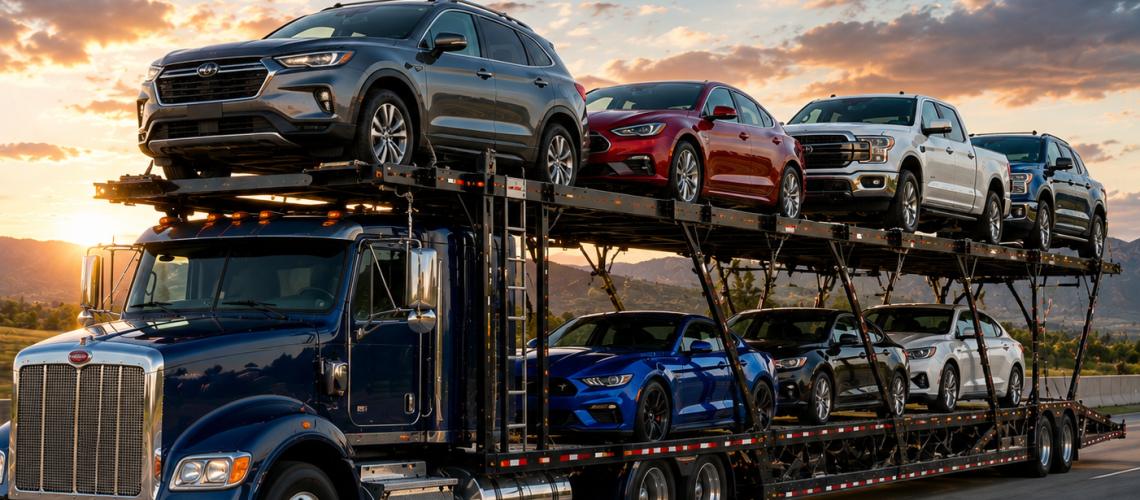
Open Car Transport
Open transport is commonly used for everyday cars, SUVs and pickup trucks. Because the carrier is uncovered, the vehicle remains exposed to normal weather and road conditions during transit.
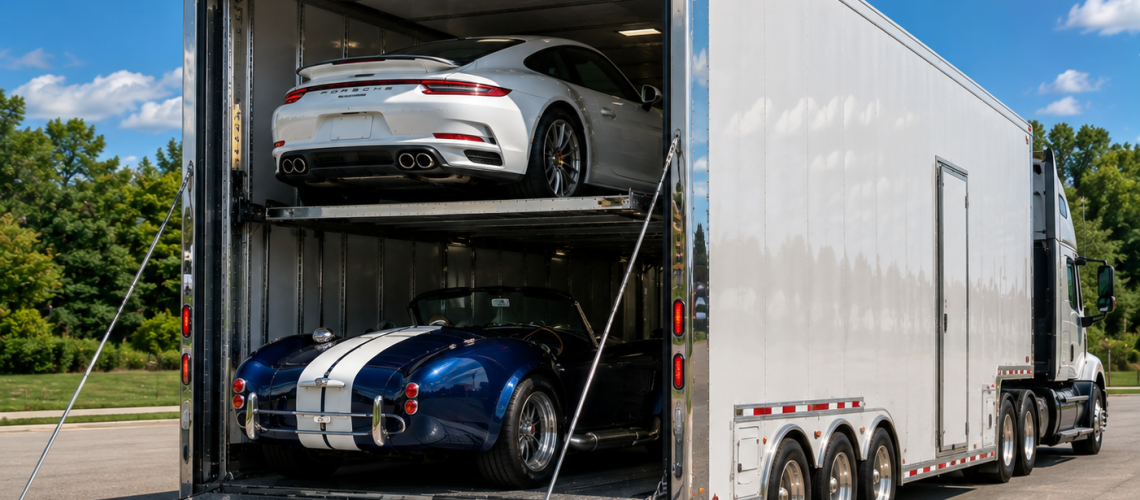
Enclosed Auto Transport
Enclosed auto transport places the vehicle inside a covered trailer. By contrast, this creates an additional barrier from direct weather, road spray and normal highway debris.
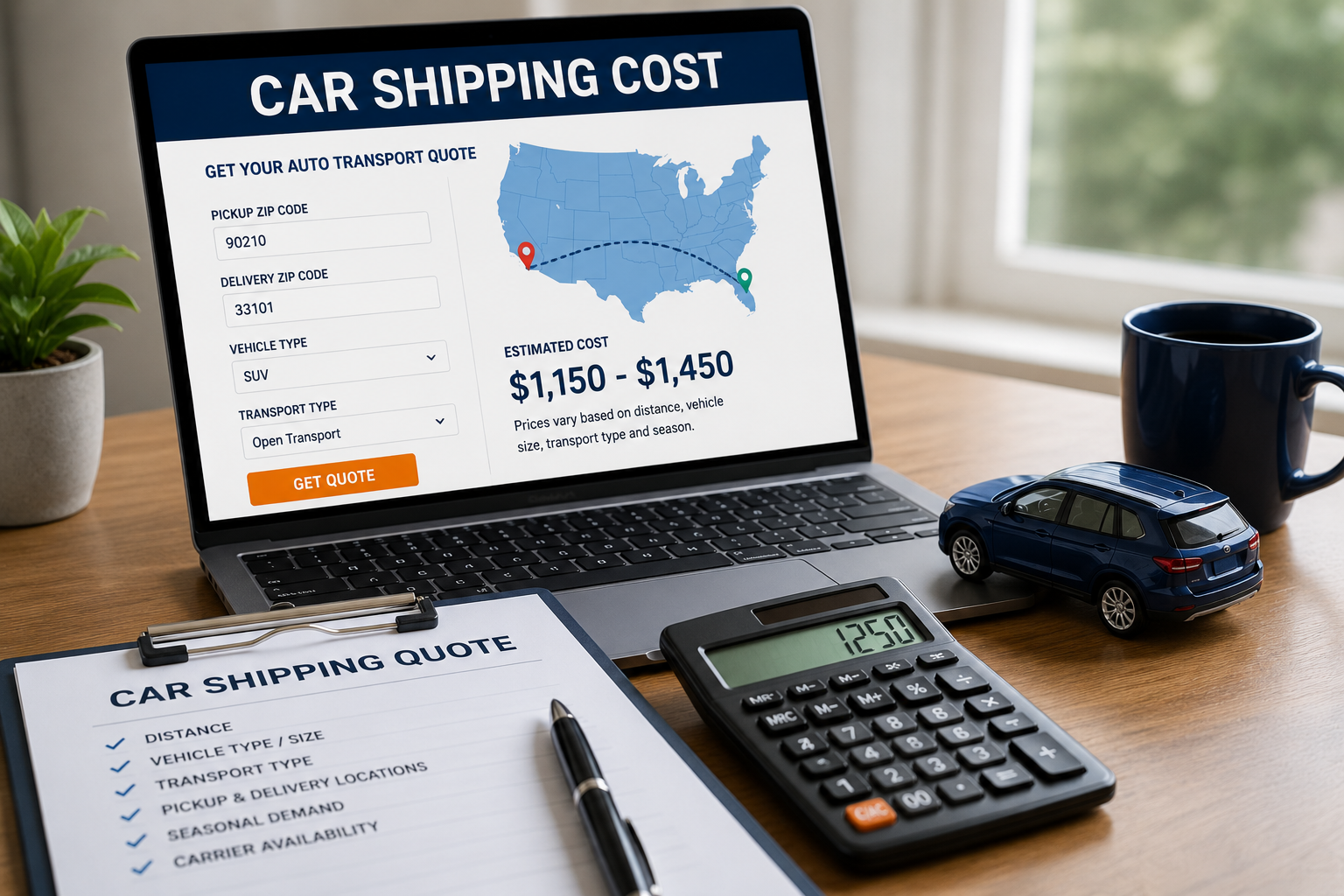
What Affects Enclosed Car Transport Cost?
There is no single nationwide price for a covered vehicle shipment. Instead, enclosed shipping rates depend on the vehicle, route, timing and current carrier market.
Distance & Route
Longer trips generally cost more overall, while major transport lanes may provide more options than remote locations.
Vehicle Size
Larger or wider vehicles require more trailer space. Consequently, vehicle dimensions may affect the rate.
Enclosed Carrier Availability
Covered carriers are less common than open equipment. Therefore, availability can influence enclosed shipping prices.
Low Ground Clearance
Very low vehicles may require specific loading equipment or approach angles. For that reason, disclose ground clearance and modifications before booking.
Vehicle Condition
A non-running vehicle may require additional loading capability. Accordingly, explain the vehicle’s operating condition when requesting pricing.
Covered Shipping Demand
Carrier demand changes by route and season. For example, summer moves and seasonal north-south traffic can affect availability.
Important Loading Details for Enclosed Car Transport
Enclosed transportation provides a covered environment for the vehicle, but the carrier still travels on public roads. Therefore, weather, traffic, closures and unsafe road conditions can still affect transit timing.
Low ground clearance, splitters, custom suspension and oversized dimensions should be disclosed in advance. In addition, accurate details help determine whether available equipment can load the vehicle safely.
Before choosing a provider, consumers can also review federal motor-carrier information through FMCSA and the U.S. Department of Transportation.
Preparing Your Vehicle for Enclosed Car Transport
- Remove unnecessary personal belongings.
- Take clear photos of the vehicle before pickup.
- Check for fluid leaks and disclose mechanical issues.
- Make sure the battery is secure and the tires are properly inflated.
- Leave enough fuel for loading and unloading without filling the tank unnecessarily.
- Remove or secure loose aftermarket accessories.
- Disclose low clearance, splitters and suspension modifications.
- Have working keys available for the carrier.
Door-to-Door Enclosed Vehicle Transport
Auto transport carriers are large commercial trucks. Because of their size, we coordinate pickup and delivery as close to the requested addresses as safely and legally possible.
Gated communities, narrow streets, low trees and limited turning space may prevent a carrier from reaching the exact address. In those situations, however, you and the driver can coordinate a nearby accessible meeting location.
If the requested address cannot safely accommodate the truck, do not assume the carrier can enter. Instead, plan a nearby meeting point when necessary.
Why Choose Webster Hauling for Enclosed Car Transport?
Webster Hauling is veteran-owned and family-operated. Because specialty vehicle moves can involve valuable automobiles, firm dates and unique loading needs, clear communication matters. As a result, our goal is to make covered vehicle transportation easier to manage.
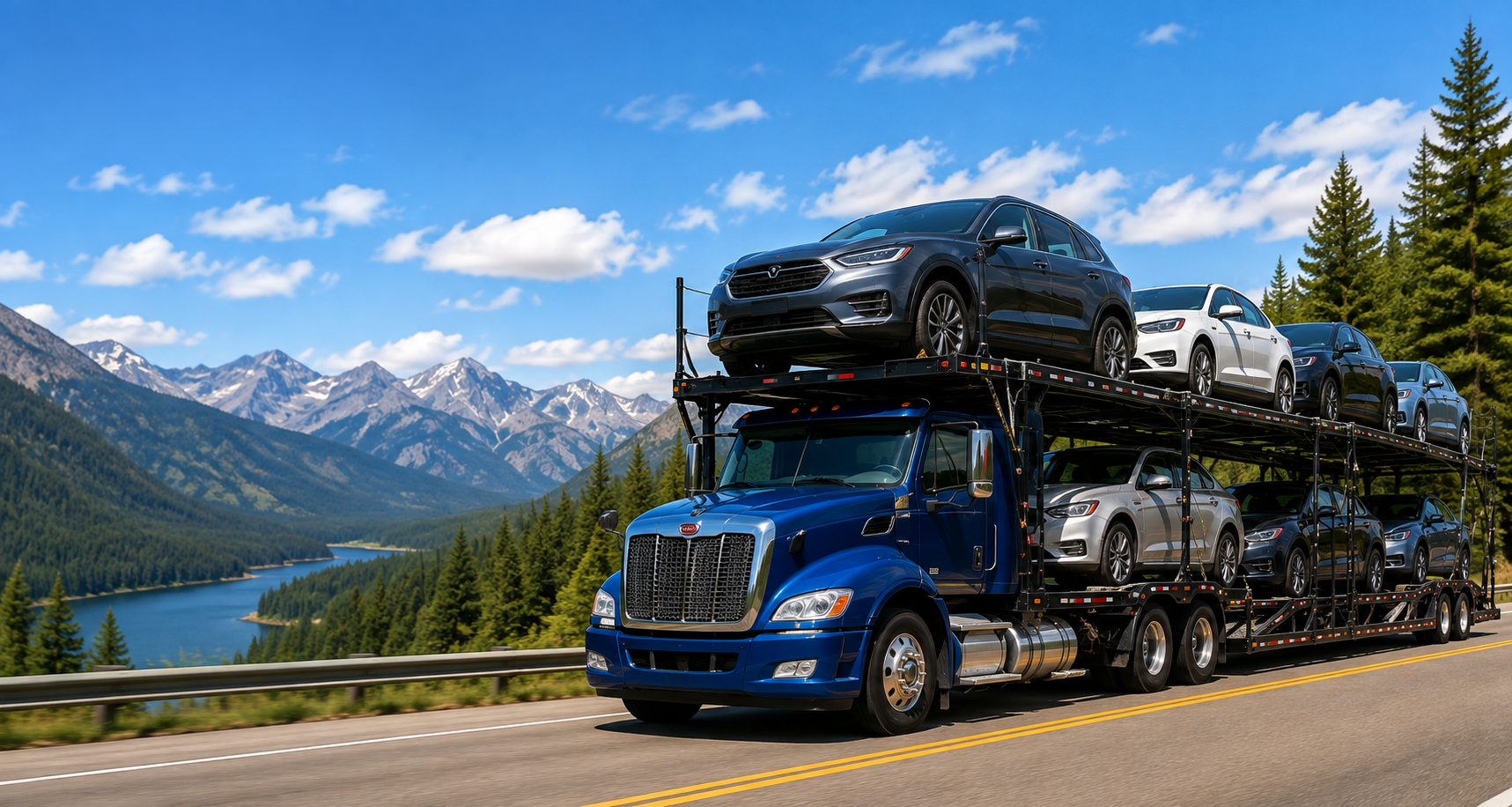
Veteran-Owned and Operated
Webster Hauling is proudly veteran-owned and family-operated. Therefore, we place a strong emphasis on reliability, practical service and clear communication.
25+ Years of Auto Transport Experience
Webster Hauling brings more than 25 years of personal auto transport experience to each shipment. Therefore, we know how to evaluate routes, vehicle dimensions, timing, carrier availability and special requirements.
Careful Enclosed Shipping Coordination
Enclosed carrier availability can change by route and season. For that reason, we focus on realistic scheduling, clear pickup details and dependable communication.
Enclosed Car Transport FAQs
What is enclosed car transport?
Enclosed car transport uses a covered trailer to reduce direct exposure to weather and normal road conditions while a vehicle is being transported.
Is enclosed auto transport good for classic cars?
Classic and collector vehicles are common candidates for enclosed auto transport, especially when added protection is important to the owner.
Can low sports cars use covered vehicle shipping?
Low sports cars may be eligible for covered shipping. However, ground clearance, splitters and suspension modifications should be disclosed before transport is arranged.
Does enclosed car shipping cost more than open transport?
Enclosed shipping generally costs more than open transport because covered equipment is less common and provides additional protection.
Can weather still delay an enclosed carrier?
Weather can still affect an enclosed carrier. Although the vehicle is inside the trailer, the truck still travels on public roads.
Can an enclosed carrier pick up at my house?
Pickup can often be coordinated near the requested address. Otherwise, a nearby safe and legal meeting point may be needed when truck access is limited.
Which vehicles are commonly shipped enclosed?
Owners often choose enclosed shipping for classic, collector, exotic, luxury, restored, rare or sentimental vehicles. Ultimately, the choice depends on the vehicle and the owner’s preferred level of protection.
Ready to Book Enclosed Car Transport?
Use the enclosed car transport quote form at the top of this page, or call us to discuss your vehicle, route, ground clearance and first available pickup date.
Webster Hauling
Veteran-owned and family-operated vehicle transport coordination with more than 25 years of auto transport experience.
Toll Free: 888-333-6343
Local: 479-316-2329
Email: Wayne@WeCarTransport.com
