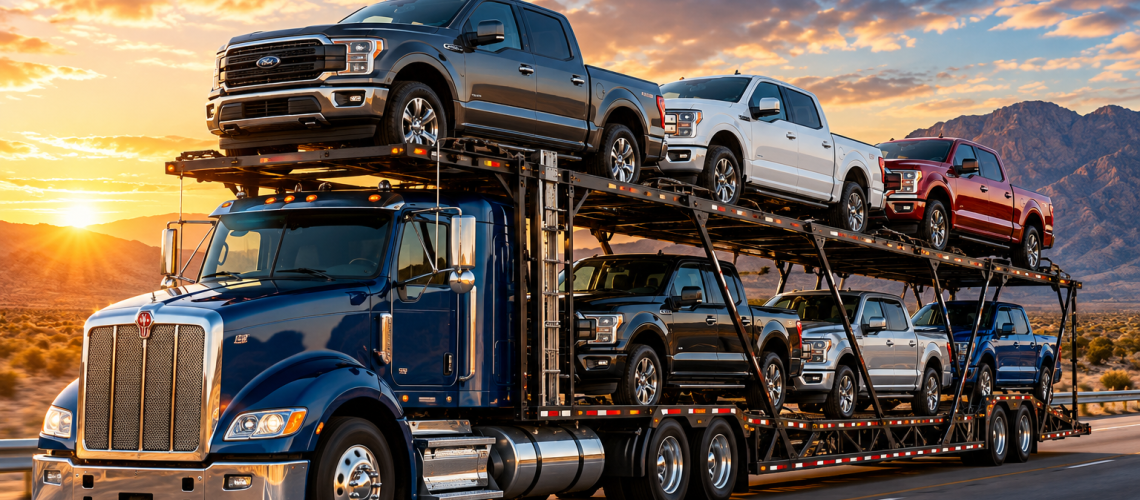
Truck Shipping Cost: Pickup Truck Transport Pricing
Truck shipping cost starts with the exact pickup, route, condition, modifications, and first available transportation date.
At a glance: Pickup size affects trailer space and weight. In addition, modifications, route demand, and equipment needs can change pricing.
- Standard, full-size, and heavy-duty pickups
- Lifted, lowered, and modified truck transportation
- Open and enclosed carrier options
- Running and non-running pickup transport
- Nationwide coordination across the continental United States
Prefer to talk? 888-333-6343



Webster Hauling by the numbers
Experience Behind Pickup Truck Transportation
These figures come from Webster Hauling’s records and show the scale of our vehicle transport business.
These figures come from Webster Hauling’s own business records. Order totals represent orders recorded in the system and are not presented as completed-shipment totals.
Standard, full-size, modified, and specialty pickups
Truck Shipping Cost and the Right Transport Option
For example, different pickups can require different equipment. Therefore, accurate truck details matter before a carrier is dispatched.
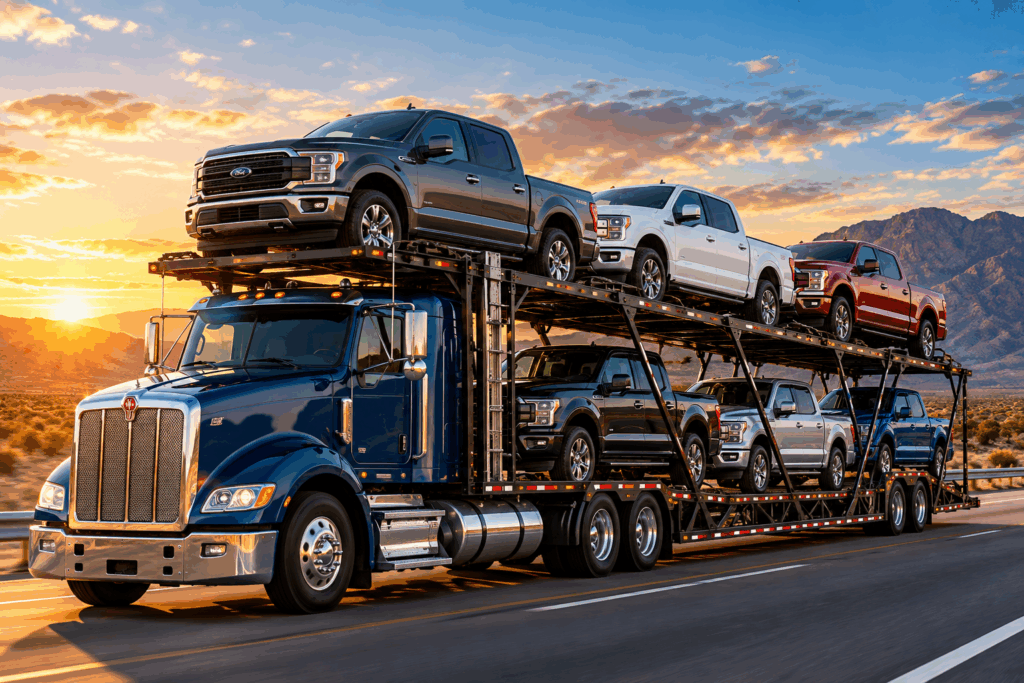
Standard Pickup Transport
For example, many standard pickups can move on open equipment commonly used for passenger vehicles.
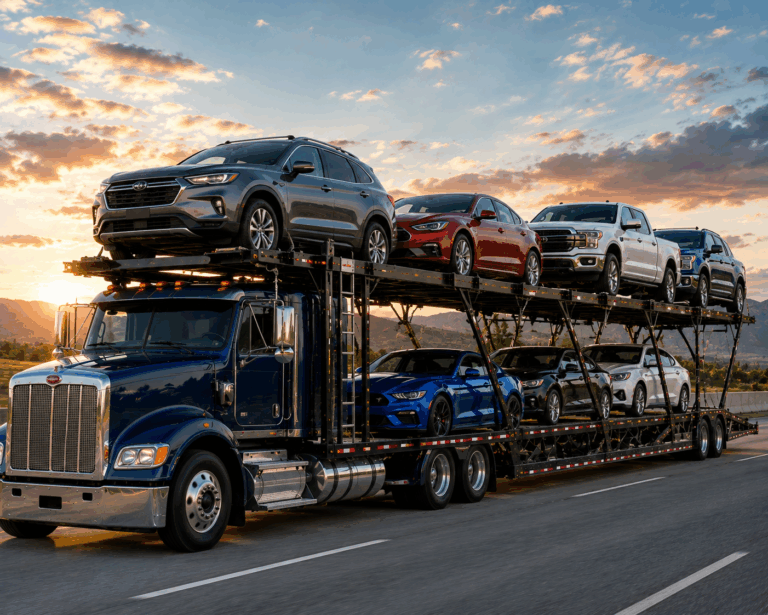
Open Truck Transport
In addition, open transportation offers broad carrier availability for many everyday pickups.
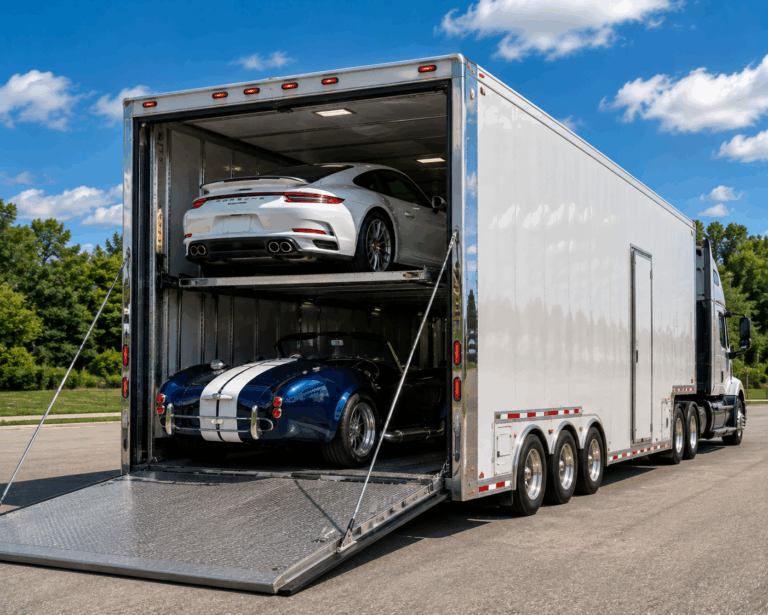
Enclosed Truck Transport
By contrast, enclosed equipment can add protection for restored, collector, or high-value pickups.
Heavy-Duty Pickup Transport
Meanwhile, larger pickups can require additional trailer space, clearance, and weight capacity.
Truck types and special requirements
Truck Shipping Cost by Pickup Size and Configuration
In addition, pickup transport is not one-size-fits-all. Trailer space, weight, clearance, modifications, and condition can change the plan.
Midsize Pickups
For example, midsize pickups generally use less trailer space than larger trucks. Exact model information still matters.
Full-Size Pickups
Meanwhile, full-size pickups can be longer and heavier. Therefore, the carrier needs the correct year, make, and model.
Heavy-Duty Trucks
In addition, three-quarter-ton and one-ton trucks can require more weight capacity and trailer space.
Lifted and Modified Trucks
However, lift kits, oversized tires, bumpers, and other changes can affect height, width, weight, or clearance.
Dually Pickups
Likewise, dual rear wheels increase overall width. Consequently, loading space and deck clearance require careful review.
Non-Running Pickups
Finally, non-running trucks may need different loading equipment. Tell us whether the pickup rolls, steers, and brakes.
Truck configuration and carrier requirements
Truck Shipping Cost Changes with Vehicle Configuration
However, two pickups on the same route can need different carrier capacity. Size, weight, clearance, and modifications all matter.
Modified Pickup Example
Specifically, a lifted crew-cab pickup with oversized tires may be taller, longer, and heavier than its factory configuration.
As a result, the carrier may need additional deck space, clearance, or loading considerations before accepting the truck.
A straightforward pickup transport process
How Pickup Truck Transportation Works
First, we use accurate truck and route information. Next, we review equipment needs and current carrier conditions.
1. Request a Quote
First, provide both ZIP codes, truck year, make, model, condition, modifications, and first available date.
2. Review the Truck
Next, we review size, weight, clearance, route, equipment, seasonal demand, and timing before dispatch.
3. Coordinate Pickup
Then, pickup is coordinated as close to the requested address as a large carrier can safely operate.
4. Inspect at Delivery
Finally, inspect the pickup at delivery and compare its condition with the pickup inspection before signing.
Pickup and delivery that works in the real world
Truck Shipping Cost and Safe Carrier Access
In practice, carriers need enough room to turn, load, and unload a pickup safely.
For example, narrow streets, low branches, steep grades, gates, or weight restrictions can require a nearby meeting point.
Prepare the Truck Before Pickup
- Remove valuables and unnecessary personal items.
- Take clear exterior photos before loading.
- Check battery condition, tire pressure, and visible leaks.
- Tell us about lift kits, oversized tires, low clearance, or starting problems.
- Provide a working key and make the pickup accessible from the agreed date.
Pricing depends on the actual truck and route
What Affects Truck Shipping Cost?
Specifically, no single number can price every pickup shipment. The market changes by truck, lane, equipment, timing, and availability.
- Exact pickup and delivery locations and carrier access
- Distance and the strength of the carrier lane
- Truck size and condition, including non-running pickups
- Open or enclosed equipment
- Season and pickup flexibility
- Special requirements such as lift kits, oversized tires, or low clearance
Why We Do Not Publish One Truck Price
For example, a midsize pickup and a lifted heavy-duty truck do not use the same trailer capacity.
Instead, our quote process starts with the exact truck and route so the estimate reflects the shipment you are planning.
Experience, verification, and communication
Why Customers Choose Webster Hauling for Truck Transport
However, price is only part of the decision. Customers also need clear coordination and accurate truck information.
A carrier network built through years of vehicle transport
More Than 5,000 Carrier Records Built Through Years of Transport
Over years of coordination, Webster Hauling has maintained more than 5,000 historical carrier records from across the United States.
For example, a carrier suited to standard vehicles may not fit an oversized pickup. Therefore, we review the actual truck and lane.
However, historical records do not guarantee current availability. Authority, insurance, equipment fit, route suitability, and availability still require review.
Established Company History
Webster Hauling has been moving vehicles since 2001 and has held broker authority since 2011. Our federal broker number is MC-445856.
Independent Business Verification
In addition, customers can review Webster Hauling’s Better Business Bureau profile before booking.
Carrier Verification
Finally, customers can review federal broker and carrier records through the Federal Motor Carrier Safety Administration.
Real customer feedback and independent profiles
What Customers Say About Webster Hauling
Meanwhile, customer feedback adds another perspective on communication, pickup, delivery, and the overall transport experience.
“Quick pickup, on time delivery.”
Michael Petersen — customer review excerpt
“Great experience from start to finish.”
Alexandra Chambers — customer review excerpt
“Very accommodating to my needs.”
Sandy Hawrylo — customer review excerpt
In addition, review independent information through our Better Business Bureau profile, Yelp profile, and Google business listing.
Plan before you book
Truck Shipping Cost Guides and Resources
For example, use these guides to compare pricing, equipment, vehicle preparation, and common pickup transport questions.
Pickup Truck Transport
First, review transportation planning for standard, full-size, heavy-duty, and modified pickups.
Auto Transport Pricing Guide
Next, review how route, vehicle, equipment, timing, and demand influence transportation pricing.
Vehicle Preparation Guide
Then, prepare the pickup for loading, document condition, and reduce avoidable loading problems.
Auto Transport FAQs
Finally, get answers about pickup, delivery, carrier access, timing, and common transportation questions.
Common pickup transportation questions
Truck Shipping Cost FAQs
Pricing and Planning Questions
Does a full-size pickup cost more to ship than a car?
It can. For example, larger pickups can use more trailer space and weight capacity than standard passenger cars.
How far in advance should I request a truck quote?
Ideally, request pricing before your first available date. However, tight pickup windows can reduce carrier flexibility.
How long does pickup truck transportation take?
Timing depends on route mileage, carrier stops, weather, traffic, and access. Therefore, transit expectations should be route-specific.
Can you ship a pickup that does not run?
Often, yes. However, tell us whether the truck starts, rolls, steers, and brakes before dispatch.
Pickup, Equipment, and Delivery Questions
Is pickup truck transportation door to door?
We coordinate service as close to the addresses as a carrier can safely operate. However, difficult access may require a meeting point.
Should I choose open or enclosed transport?
Open transport fits many everyday pickups. By contrast, enclosed transport may suit collector, restored, custom, or high-value trucks.
What should I know about carrier insurance?
Before pickup, review the assigned carrier’s authority and insurance. In addition, keep the pickup inspection and Bill of Lading.
What information do you need for a truck quote?
Finally, provide both ZIP codes, year, make, model, condition, modifications, first available date, and equipment preference.
Company history and record review
Reviewed by Wayne Webster — Pickup Truck Transport Experience
Reviewed by Wayne Webster, Webster Hauling. Webster Hauling has moved vehicles since 2001, with broker authority established in 2011.
In addition, our records since 2020 include more than 123,282 customer quotes and 9,187 customer orders.
For more information, see our pickup truck transport guide.
Get Your Pickup Truck Transport Quote
Finally, start with the exact truck, route, condition, modifications, first available date, and any equipment requirements.
Webster Hauling — Atkins, Arkansas
Veteran-owned, family-operated nationwide vehicle transport coordination.
1007 W Main St, Atkins, AR 72823888-333-6343
479-316-2329
Wayne@WeCarTransport.com
