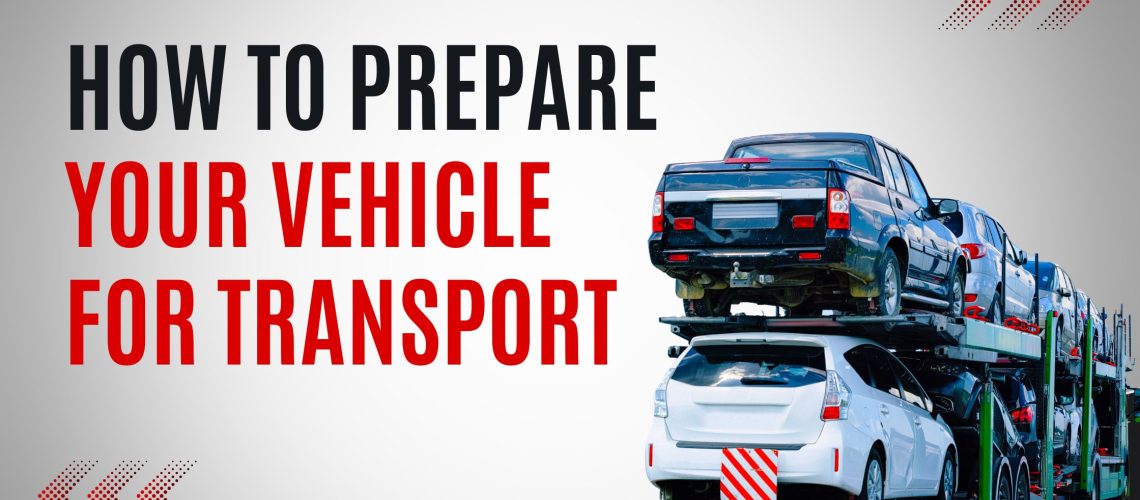
Vehicle shipping preparation helps reduce avoidable pickup problems and gives you a clear record of your vehicle’s condition before transport. A good checklist covers vehicle condition, access, keys, personal items, mechanical issues, photos, and pickup communication.
Before the carrier arrives, gather the information your transport provider needs and review the instructions for your specific shipment. Because requirements can vary by provider and carrier, avoid relying on universal rules about fuel levels, documents, personal belongings, or insurance coverage.
Why Vehicle Shipping Preparation Matters
Proper preparation makes the pickup inspection easier and helps the driver understand the vehicle before loading. First, confirm the year, make, model, operating condition, pickup location, delivery location, and first available date. Next, disclose anything unusual that could affect loading.
For example, lift kits, oversized tires, low ground clearance, roof accessories, damaged suspension, or an inoperable condition can change the carrier’s equipment needs. Therefore, accurate details help prevent avoidable surprises when the truck arrives.
If you are new to the process, our auto transport FAQ answers common questions about pickup, delivery, and scheduling.
Choose the Right Transport Method
Most customers choose between open and enclosed transport. Open carriers commonly move everyday cars, SUVs, pickups, and minivans. Because the carrier is uncovered, the vehicle remains exposed to normal weather and road conditions during transit.
Enclosed transport places the vehicle inside a covered trailer. As a result, it reduces direct exposure to weather and road debris. Customers may consider enclosed service for classic, collector, exotic, luxury, restored, or specialty vehicles.
Before deciding, compare our open car transport and enclosed car transport pages. The right choice depends on the vehicle, route, availability, and your priorities.
Vehicle Shipping Preparation Checklist
Vehicle shipping preparation should begin before pickup day so you have time to correct problems. Start with a visual inspection and then work through the practical items that can affect loading.
- Remove valuables and unnecessary personal belongings.
- Take clear photos from the front, rear, sides, roof, wheels, and glass.
- Document existing scratches, dents, chips, and exterior damage.
- Check for significant fluid leaks and disclose them.
- Make sure the battery has enough charge for loading and unloading.
- Check that the tires are in usable condition.
- Have working keys available for the pickup contact.
- Secure or remove loose exterior accessories when appropriate.
- Disclose low ground clearance, lift kits, oversized tires, or modifications.
- Confirm the pickup and delivery contact information.
For a more detailed checklist, read our vehicle preparation guide.
Clean the Vehicle and Document Its Condition
A reasonably clean exterior makes condition photos easier to review. First, photograph the vehicle in good lighting. Then, capture close-up images of existing marks that you may want to compare after delivery.
Keep those photos available until the shipment is complete. In addition, review the vehicle condition information recorded at pickup and compare the vehicle again at delivery before completing the handoff.
What to Do About Personal Belongings
Policies for personal items can vary by provider, carrier, and shipment. Therefore, remove valuables and unnecessary belongings unless you have confirmed the current policy in advance.
Loose items can also move inside the vehicle during transport. As a result, keeping the interior clear can make the process easier and reduce avoidable concerns.
Check Mechanical Condition Before Pickup
If the vehicle runs, make sure it can start and move well enough for normal loading. Also, check the battery, tires, and obvious fluid leaks before the carrier arrives.
If the vehicle does not run, explain whether it starts, rolls, steers, and brakes. Special loading equipment may be necessary for an inoperable vehicle. Therefore, sharing accurate mobility information helps the provider evaluate suitable equipment and carrier space.
Plan for Carrier Access Before Pickup
Good vehicle shipping preparation also includes checking whether the carrier can reach the pickup location. Large auto carriers need room to turn, stop, and load safely.
For example, narrow residential streets, low branches, steep grades, gates, parked vehicles, or local restrictions can limit access. When direct access does not work, the driver and customer may coordinate a nearby safe and legal meeting point.
Our door-to-door car shipping page explains how address access can affect pickup and delivery planning.
Review Coverage and Transport Documents
Carrier coverage varies, so customers should review the applicable transportation documents instead of assuming every shipment has identical coverage. Depending on the move, paperwork may include a Bill of Lading, condition information, booking confirmation, transport agreement, and applicable carrier coverage information.
Before pickup, ask what documents apply to your shipment and how the vehicle condition will be recorded. Then, keep copies of your photos and paperwork available until delivery.
Consumers can research motor carrier information through the Federal Motor Carrier Safety Administration. In addition, the U.S. Department of Transportation provides transportation information for consumers.
Why Customers Choose Webster Hauling
Webster Hauling brings more than 25 years of personal auto transport experience to vehicle shipping coordination. We focus on reliable communication, practical planning, and affordable transportation options based on the actual shipment.
In addition, Webster Hauling has an A+ BBB rating. You can review our Better Business Bureau profile before arranging transportation.
Because every vehicle and route differs, we review the details that can affect loading, access, equipment, and scheduling. Instead of making one-size-fits-all promises, we help customers understand the factors that matter for their shipment.
Vehicle Preparation FAQs
How Early Should I Prepare My Vehicle?
Start early enough to take photos, remove unnecessary items, check the battery and tires, and correct any obvious issues. However, follow the current pickup instructions from your provider rather than assuming a fixed number of days.
How Much Fuel Should Be in the Vehicle?
Fuel instructions can vary by provider or carrier. Therefore, confirm the current requirement for your shipment instead of relying on a universal quarter-tank rule.
Do I Need Registration or Insurance Papers?
Document requirements can vary. Ask what applies to your shipment before pickup, and do not assume every provider requires the same paperwork.
What If My Vehicle Does Not Run?
Tell the provider whether it starts, rolls, steers, and brakes. In addition, disclose damaged suspension, locked wheels, or other conditions that could affect loading.
Finish Preparing Before Pickup
Vehicle shipping preparation works best when you focus on accurate information, clear photos, vehicle condition, access, and communication. By preparing these details before pickup, you can make the loading and delivery process easier to coordinate.
To discuss your shipment, visit Webster Hauling with your vehicle year, make, model, operating condition, pickup ZIP code, delivery ZIP code, and preferred dates. With those details, we can help you review the transportation options that fit the actual move.

1 thought on “How to Prepare Your Vehicle for Transport”
Pingback: How To Prepare Your Vehicle For Transport | Web...
Comments are closed.