Vehicle Shipping Process: How Auto Transport Works
Vehicle shipping process planning starts with your vehicle, route, timing, and preferred carrier type. A professional transport company then helps coordinate pickup and delivery. Therefore, understanding each step can make interstate vehicle shipping easier to plan.
People use vehicle transport for relocations, online vehicle purchases, seasonal moves, college transportation, military moves, and long-distance sales. In addition, businesses may move fleet vehicles or dealership inventory between locations.
For a broader look at state-to-state transportation, visit our interstate vehicle shipping guide.
How the Vehicle Shipping Process Works
First, provide the year, make, model, condition, pickup location, delivery location, and first available date. Accurate information helps the transport company review the route and suitable carrier options.
Next, review the quote and scheduling details. Carrier availability can change by route, season, vehicle size, and timing. As a result, flexible pickup dates may provide more options on some lanes.
After scheduling, the carrier coordinates pickup with you. The driver inspects the vehicle, records its condition, and loads it onto the trailer. Finally, the driver delivers the vehicle and completes another condition review with you.
Common Options in the Auto Shipping Workflow
Two transport methods handle most passenger vehicles. Each option serves a different need, so compare protection, availability, and cost before choosing.
Open Car Transport
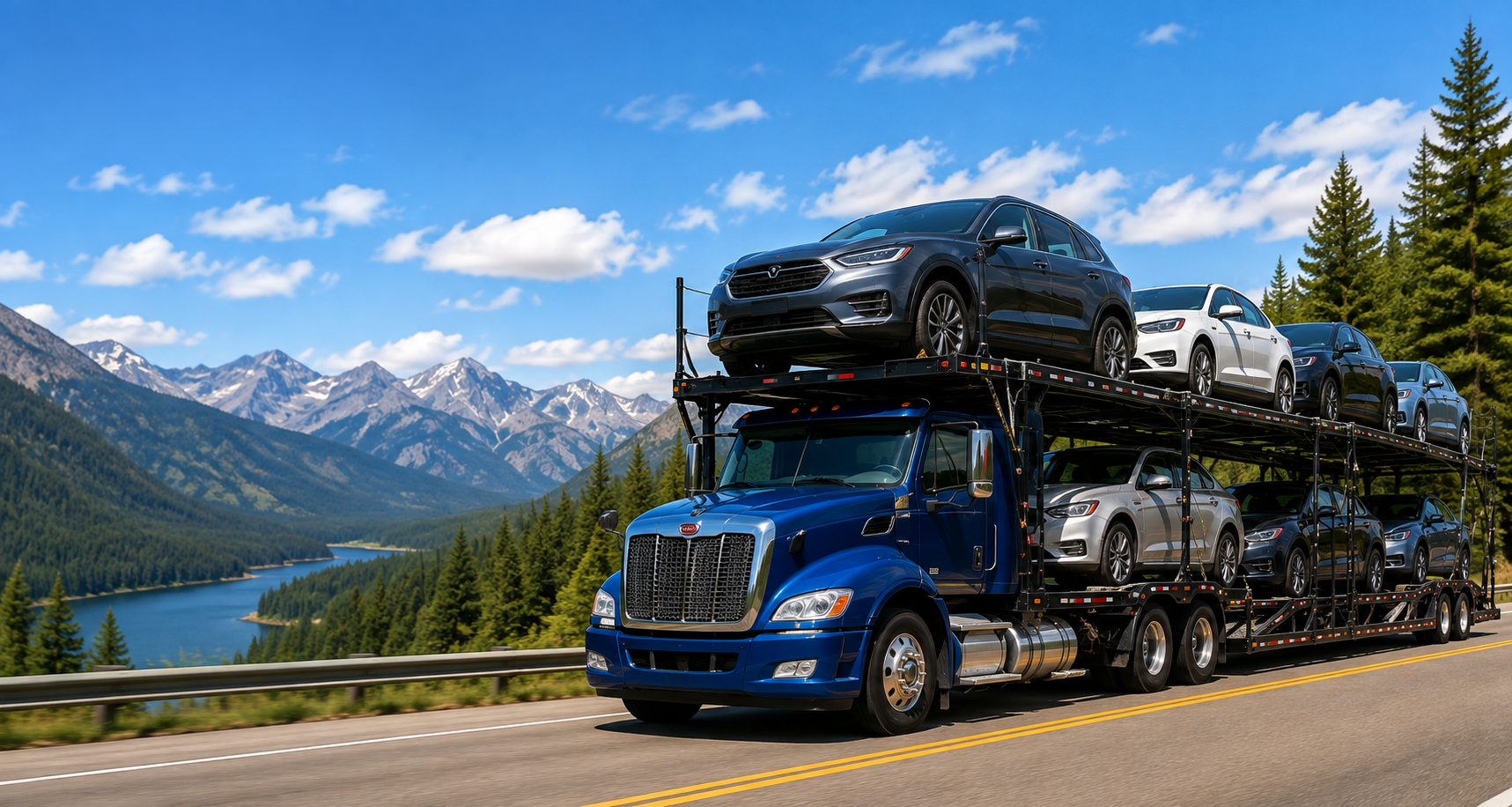
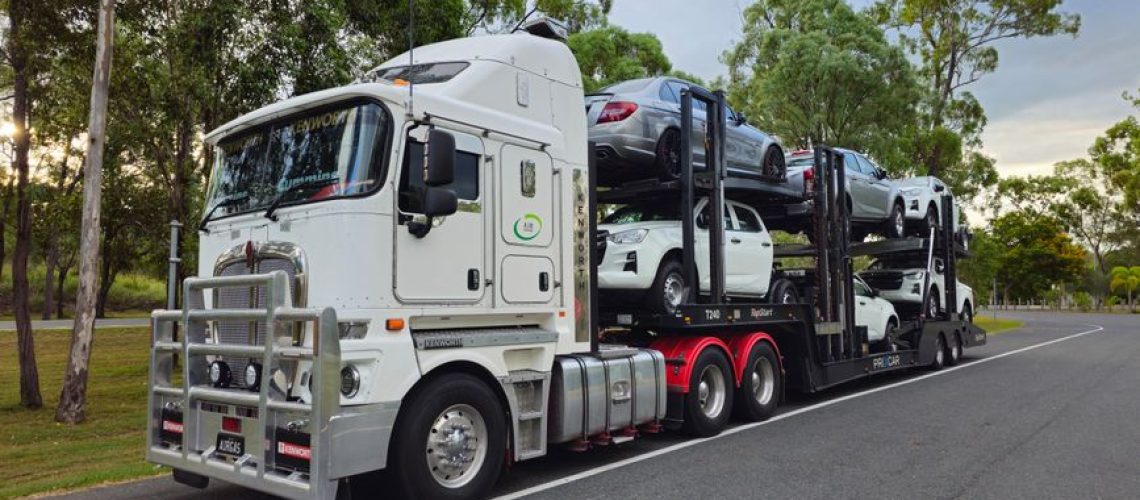
Open carriers move several vehicles on an uncovered trailer. This method handles many standard cars, SUVs, and pickup trucks. Because open equipment operates on many routes, customers often find competitive pricing and broad availability.
For more details, review our open car transport service page.
Enclosed Car Transport
Enclosed carriers place vehicles inside a covered trailer. Therefore, they offer added protection from normal weather and road debris. Owners often consider this option for classic, collector, exotic, luxury, or specialty vehicles.
Compare the differences on our enclosed car transport page.
Specialty and Flatbed Transport
Some oversized, modified, damaged, or unusually shaped vehicles need specialized equipment. In those cases, the transport company should review dimensions, weight, clearance, and condition before assigning equipment.
What Affects Vehicle Shipping Costs?
Several factors influence transportation pricing. Distance matters, but it does not determine the final rate by itself. Instead, carriers also consider vehicle size, route demand, equipment type, pickup access, delivery access, and timing.
- Distance: Longer routes generally require more fuel, driver time, and operating expense.
- Vehicle size: Larger vehicles use more trailer space and may add weight.
- Carrier type: Enclosed transport usually costs more than open transport.
- Season: Snowbird traffic and other seasonal demand can affect carrier availability.
- Location: Remote areas may require additional mileage or a nearby meeting point.
- Timing: Tight pickup windows can reduce the number of available carriers.
For a deeper pricing breakdown, read what affects car shipping costs.
Preparing for the Vehicle Shipping Process
Good preparation helps pickup move smoothly. First, remove valuables and unnecessary personal belongings. Next, take clear photos of the vehicle from several angles before the carrier arrives.
- Check the battery and tire pressure.
- Report leaks or mechanical problems.
- Secure loose exterior accessories.
- Disable alarms when possible.
- Provide a working key.
- Tell the company about low clearance or modifications.
At pickup, review the driver’s inspection notes before the vehicle leaves. Then, keep your copy of the inspection paperwork until delivery.
A Simple Interstate Example: Colorado to Georgia
Colorado joined the Union in 1876 and later developed strong highway connections across the central and western United States. Today, customers may ship vehicles from Denver, Colorado Springs, Fort Collins, and surrounding communities.
Georgia attracts residents and businesses with major employment centers, universities, military installations, and growing metropolitan areas. For example, Atlanta and surrounding communities create steady demand for vehicle transportation.
Therefore, a Colorado-to-Georgia move provides a useful example of how the same planning steps apply to many interstate routes.
How to Choose a Trustworthy Transport Company
Do more than compare the lowest price. Instead, review the company’s experience, communication, business history, and transportation credentials.
You can review carrier information through the FMCSA carrier database. In addition, the U.S. Department of Transportation provides transportation information for consumers and businesses.
Also, check independent business records and customer feedback. Webster Hauling maintains an A+ Better Business Bureau rating.
Questions About Car Transport Steps
Ask how the company handles scheduling, carrier assignment, pickup communication, delivery communication, and payment. Likewise, make sure you understand what the quote includes before you schedule transportation.
For additional answers, review our auto transport FAQs.
Why the Vehicle Shipping Process Benefits Long-Distance Moves
Long-distance driving adds mileage, fuel expense, travel time, and wear to a vehicle. By contrast, professional transportation lets the carrier handle the highway miles while you manage the rest of your move.
In addition, vehicle shipping can help families coordinate flights, housing, work schedules, and seasonal travel. The service can also help buyers and sellers complete long-distance vehicle transactions without an extra road trip.
Why Choose Webster Hauling?
Webster Hauling brings more than 25 years of auto transport experience to customers across the continental United States. We focus on reliable communication, practical scheduling, and affordable transportation options.
In addition, our A+ BBB rating gives customers another way to review our business history. We coordinate open and enclosed transport while helping customers understand the route, timing, and carrier options before pickup.
Because every shipment differs, we review the actual vehicle and route instead of treating every move the same.
Plan Your Next Vehicle Shipment
The vehicle shipping process becomes easier when you understand the steps before booking. Start with accurate vehicle details, realistic scheduling, and a transport company that explains the process clearly.
Then, compare carrier options, prepare your vehicle, review the pickup inspection, and inspect the vehicle again at delivery. Finally, use official resources such as the U.S. Department of Transportation when you want additional transportation guidance.
Contact Webster Hauling with your vehicle, pickup location, delivery location, and preferred timing to begin planning your shipment.