Long Distance Car Transport gives customers a practical way to move a vehicle hundreds or thousands of miles without adding road miles, fuel costs, or extra driving time. For many everyday cars, SUVs, pickups, and vans, open carrier service offers broad availability and a lower-cost alternative to enclosed shipping.
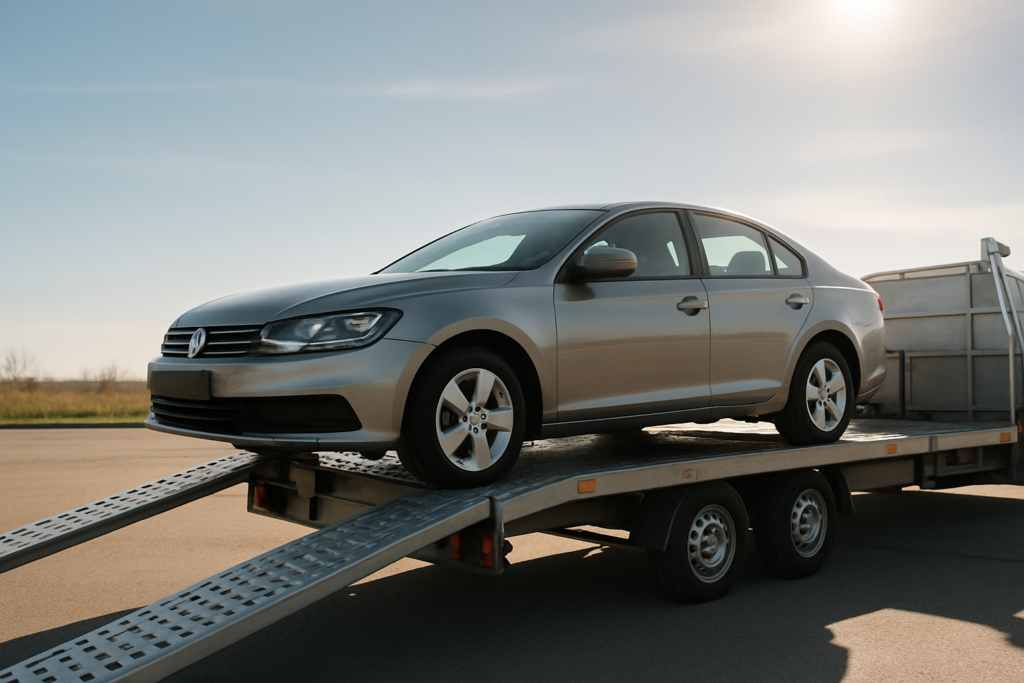
Webster Hauling operates as an auto transport broker, so we arrange transportation with qualified motor carriers rather than operating our own trucks. Because every shipment has a different route, vehicle, schedule, and access situation, we review the actual details before arranging transport.
Why Long Distance Car Transport Works Well With Open Carriers
Open carriers move several vehicles on the same trailer. As a result, they often provide more route coverage and competitive pricing than specialized enclosed equipment.
Availability matters on long trips as well. Since open equipment serves many major transportation corridors, customers may have more carrier options when their pickup dates have some flexibility.
However, open transport does not protect a vehicle from normal outdoor weather or road exposure. Customers with classic, exotic, collector, restored, or especially valuable vehicles may prefer enclosed transportation instead.
How Open Vehicle Shipping Works
First, provide the pickup ZIP code, delivery ZIP code, vehicle year, make, model, operating condition, and first available pickup date. In addition, mention lift kits, oversized tires, lowered suspension, roof accessories, or other modifications that could affect loading.
Next, Webster Hauling reviews the route, timing, equipment needs, and current carrier availability. After we arrange transportation, the assigned motor carrier coordinates pickup with the contact you provide.
At pickup, review the vehicle with the driver and document its visible condition. During transit, the carrier follows its planned route, which may include other scheduled pickups and deliveries. Finally, inspect the automobile again at delivery before completing the final paperwork.
Benefits of Open Carrier Transport on Long Routes
Cost is one of the main reasons customers choose open equipment. Because one trailer can carry several automobiles, the carrier can spread operating costs across multiple shipments.
Route coverage is another benefit. Open carriers travel many common interstate lanes, so customers moving between populated areas often have more scheduling options than they would with specialized equipment.
In addition, this method works for many vehicle types. Sedans, crossovers, SUVs, pickups, vans, and other standard passenger vehicles regularly move on open carriers.
What Affects Long Distance Car Transport Cost?
Distance matters, but it does not determine the entire price. Instead, vehicle size, operating condition, exact locations, seasonal demand, fuel costs, carrier availability, and pickup flexibility can all influence the final quote.
- Route: Major transportation corridors often attract more carrier traffic than remote areas.
- Vehicle size: Larger vehicles use more trailer space than compact cars.
- Condition: A non-running automobile may require special loading equipment.
- Season: Snowbird periods, holidays, and relocation seasons can change demand.
- Timing: Flexible pickup dates may create additional carrier options.
- Equipment: Enclosed trailers usually cost more than open carriers.
Therefore, a shipment-specific quote gives you more useful information than an old advertised price. For additional detail, read our car shipping cost guide.
Preparing Your Vehicle for Open Transport
Good preparation can make pickup easier and reduce avoidable delays. Before the carrier arrives, clean the automobile well enough to document its condition and take clear photographs from several angles.
- Remove valuables and unnecessary personal belongings.
- Have all required vehicle keys available.
- Check the tires and battery.
- Look for significant fluid leaks.
- Secure or remove loose exterior accessories.
- Report mechanical problems or major modifications in advance.
- Keep the pickup contact’s phone available on pickup day.
- Follow the assigned carrier’s fuel-level instructions.
For a complete preparation list, use our vehicle transport checklist before pickup.
Open Transport Versus Enclosed Shipping
For many standard vehicles, open transport works well, while enclosed shipping offers added protection from direct weather and normal road exposure. Therefore, the best choice depends on the automobile and your priorities.
For example, a daily-use sedan may not need enclosed equipment. By contrast, the owner of a rare collector car may value the extra protection enough to pay the higher enclosed rate.
Compare our open car transport guide and enclosed car transport guide before choosing an option.
Pickup and Delivery Access on Long-Distance Routes
Large auto carriers need more room than passenger vehicles. Consequently, narrow streets, low branches, steep driveways, gated entrances, weight restrictions, parked cars, or tight turns can prevent the truck from reaching the exact address.
If direct access is not practical, the driver and customer can coordinate a nearby safe meeting location. For instance, a large parking area close to a major road often gives the carrier enough room to load or unload safely.
Meanwhile, keep your phone available as the carrier approaches. Clear communication can solve an access problem before it turns into a delay.
How Long Does Long Distance Car Transport Take?
Transit time depends on more than mileage. Weather, traffic, construction, safe-driving requirements, carrier schedules, route changes, and other planned stops can all affect progress.
Longer routes generally require more travel time; however, mileage alone should not determine an exact delivery date. The pickup window and estimated transit period are separate parts of the transportation schedule.
If you have a flight, closing date, auction deadline, move-out date, or another firm commitment, share it before we arrange transportation. That way, everyone can discuss timing expectations before pickup.
Insurance and Vehicle Condition Reports
Motor carriers must maintain required insurance, but coverage terms and exclusions can vary. Therefore, review the assigned carrier’s insurance information and transportation agreement before pickup.
At the origin, compare the automobile with your photographs and review the inspection report with the driver. After delivery, check the vehicle again before signing the final paperwork.
Consumers can research registered motor carriers through the FMCSA SAFER Company Snapshot.
Can a Non-Running Vehicle Use Open Transport?
A carrier can often move a non-running vehicle when it has suitable loading equipment. However, tell the broker or carrier exactly what the automobile can and cannot do before transportation begins.
For example, a car that does not start but still rolls, steers, and brakes needs different planning from one with locked wheels or damaged steering. Accurate information helps match the shipment with appropriate equipment.
Our inoperable car shipping guide explains these requirements in more detail.
Why Work With Webster Hauling?
Webster Hauling is a veteran- and family-owned auto transport broker with more than 25 years of industry experience and an A+ Better Business Bureau rating. We review shipment details, explain transportation options, coordinate communication, and arrange transport with qualified motor carriers.
Because our role is brokerage, we do not present carrier drivers as Webster Hauling employees or claim that customer vehicles move on company-owned trucks. Instead, we help match the shipment with suitable motor-carrier capacity.
Long Distance Auto Transport FAQs
Is Open Transport Suitable for Everyday Vehicles?
Yes. Open carriers regularly move standard cars, SUVs, pickups, vans, and crossovers throughout the United States.
Will My Vehicle Be Exposed to Weather?
Yes. Because the trailer remains uncovered, normal rain, dust, sunlight, and road exposure can occur during transit.
Can Someone Else Meet the Driver?
In many cases, another responsible adult can handle pickup or delivery. That person should have the keys, vehicle access, current contact information, and authority to review the inspection paperwork.
Does Vehicle Size Affect the Price?
Yes, it can. Larger or heavier vehicles use more trailer space and capacity, so provide the correct year, make, model, and modification details when requesting a quote.
Request a Long Distance Car Transport Quote
When you are ready to arrange long distance car transport, provide the exact pickup ZIP code, delivery ZIP code, vehicle information, operating condition, and first available date. Webster Hauling can then review the shipment and current carrier options.
Request a free car shipping quote, or visit our auto transport FAQ page for additional guidance.
