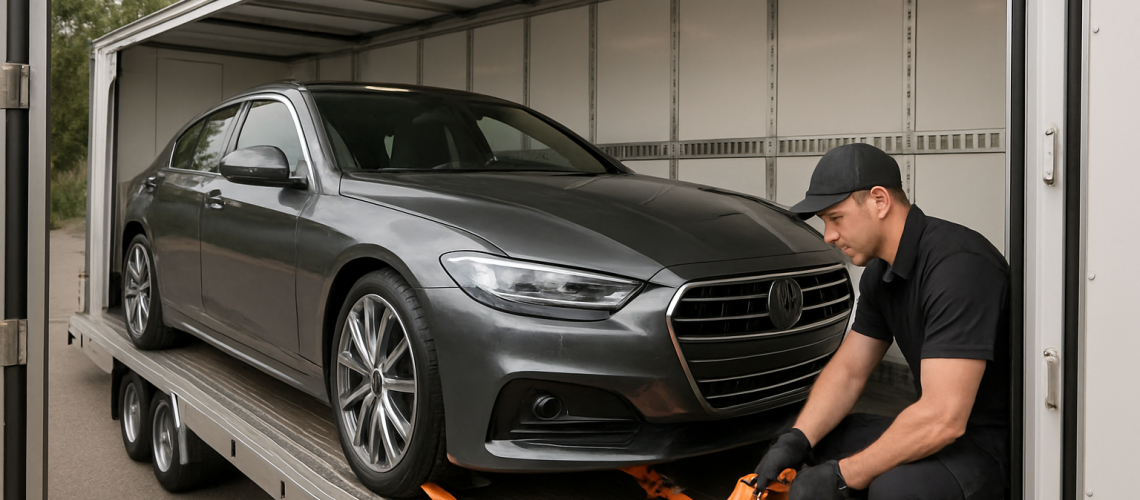
Enclosed car transport gives vehicle owners added protection when shipping classic, luxury, exotic, collectible, or other high-value vehicles. Unlike an open carrier, an enclosed trailer surrounds the vehicle during transit and helps reduce exposure to weather, road debris, and outside elements. For customers who place a high priority on protection, this transport method can be an excellent choice.
Why Choose Enclosed Car Transport?
Many vehicle owners choose enclosed car transport when they want additional protection during transportation. The trailer helps shield the vehicle from rain, snow, dust, road debris, and other outside conditions that an open carrier may encounter.
This option can make particular sense for restored automobiles, rare cars, luxury models, show vehicles, antiques, and vehicles with custom paint or finishes. Owners of standard vehicles may also choose enclosed transport when they simply prefer a greater level of protection.
Extra Protection for Valuable Vehicles
Enclosed carriers usually transport fewer vehicles than large open carriers. This may allow the driver to give each automobile more individual attention during loading and unloading. Professional carriers also use equipment and procedures designed for the vehicles they transport.
Before booking, ask about the carrier’s cargo insurance, loading procedures, equipment, and experience with vehicles similar to yours. Reviewing those details helps you make a more informed transportation decision.
What Does Enclosed Auto Transport Cost?
Enclosed transport generally costs more than standard open transport because the carrier hauls fewer vehicles and provides additional protection. Pricing depends on several factors, including shipment distance, vehicle size, route, season, pickup and delivery locations, carrier availability, and scheduling requirements.
The cost of enclosed car transport can also change when a vehicle requires special loading equipment or has unusually low ground clearance. Providing accurate vehicle information when requesting a quote helps the transport company determine the appropriate equipment and pricing.
- Distance: Longer trips generally increase the total transportation cost.
- Vehicle Size: Larger vehicles require more trailer space.
- Vehicle Condition: Inoperable vehicles may require special loading equipment.
- Route: Carrier availability can differ between major transportation lanes and remote areas.
- Season: Demand, weather, and snowbird traffic can affect availability and pricing.
- Scheduling: Flexible pickup dates may provide more carrier options than very narrow pickup windows.
Open vs. Enclosed Vehicle Shipping
Open transport remains the most common option for everyday cars, trucks, SUVs, and vans. It usually costs less because an open carrier can transport more vehicles on a single trip.
Enclosed transport focuses more heavily on protection. The trailer surrounds the vehicle and reduces its exposure to outside conditions while it travels. Customers often choose this method for vehicles with higher financial, sentimental, historic, or collectible value.
Neither option automatically fits every shipment. The right choice depends on the vehicle, budget, route, timing, and the amount of protection the owner wants.
To compare the two methods, visit our open car transport information and our enclosed car transport information.
When Extra Vehicle Protection Makes Sense
Customers often consider enclosed transportation when the vehicle needs more protection than a typical daily driver. Common examples include:
- Classic and antique automobiles
- Luxury vehicles
- Exotic and performance cars
- Collector vehicles
- Show cars
- Restored automobiles
- Vehicles with custom paint or bodywork
- Rare or difficult-to-replace vehicles
- High-value auction purchases
Customers may also choose enclosed transportation for an ordinary vehicle simply because they want additional protection during the trip.
How to Choose the Right Transport Company
Research the company before you schedule transportation. Look at its experience, customer feedback, communication practices, insurance information, and federal registration details.
You can review transportation company and carrier information through the Federal Motor Carrier Safety Administration carrier search. Ask the company to explain who will transport the vehicle, what insurance the carrier maintains, and how pickup and delivery inspections work.
Also ask about:
- Pickup and delivery windows
- Carrier communication
- Payment terms
- Cancellation policies
- Insurance documentation
- Loading equipment
- Low-clearance vehicle requirements
- Delivery inspection procedures
Check Experience, Communication, and Credentials
A low price should not be the only reason to select a transport provider. Clear communication, realistic scheduling, appropriate equipment, and carrier experience matter when moving a valuable automobile.
Be cautious when a quote appears dramatically lower than comparable quotes without a clear explanation. Vehicle transport pricing depends on real carrier availability and market conditions, so an unusually low estimate may not reflect the amount a qualified carrier will accept for the route.
Preparing Your Vehicle for Transport
Proper preparation helps make pickup and delivery easier. Before the carrier arrives, clean the vehicle enough to document its condition and take clear photographs from several angles.
- Remove unnecessary personal belongings.
- Photograph the vehicle before pickup.
- Document existing scratches, dents, or damage.
- Check tires and fluid levels.
- Tell the transporter about fluid leaks or mechanical problems.
- Secure or remove loose exterior accessories.
- Provide working keys.
- Tell the company about low ground clearance or modifications.
For additional preparation information, visit our guide to preparing a car for shipping.
Webster Hauling Vehicle Transport Experience
Webster Hauling has more than 25 years of experience helping customers arrange vehicle transportation. Our team works with customers who need transportation for everyday cars as well as classic, luxury, collector, and specialty vehicles.
When a customer requests enclosed car transport, we can discuss the vehicle, route, timing, and transportation requirements before arranging the shipment. We also help customers understand the difference between open and enclosed transportation so they can choose the option that best fits their needs.
Explore our nationwide car transport routes or visit our vehicle transport FAQ for more information.
Frequently Asked Questions
Is enclosed transport worth the additional cost?
It can be worth the additional expense for customers who want greater protection from outside elements. Owners of classic, exotic, luxury, collectible, and high-value vehicles often prefer this option.
Does an enclosed trailer protect a car from weather?
An enclosed trailer surrounds the vehicle and greatly reduces direct exposure to rain, snow, dust, and road debris during transportation.
Is enclosed transport only for expensive cars?
No. Any vehicle owner can select enclosed transportation. Some customers choose it simply because they want additional protection for their automobile.
How do I know whether a carrier has insurance?
Ask the transport company or carrier for current insurance information before pickup. You can also verify federal carrier information through FMCSA resources.
How far in advance should I schedule transportation?
Booking ahead generally gives the transport company more time to locate an appropriate carrier. Availability varies by route, season, vehicle type, and pickup window.
Request Your Enclosed Transport Quote
If you are considering enclosed car transport, provide the pickup location, delivery location, vehicle year, make, model, condition, and preferred shipping timeframe. Accurate information helps us evaluate the route and transportation requirements.
Webster Hauling can help you compare available options and arrange transportation that fits your vehicle and schedule.
