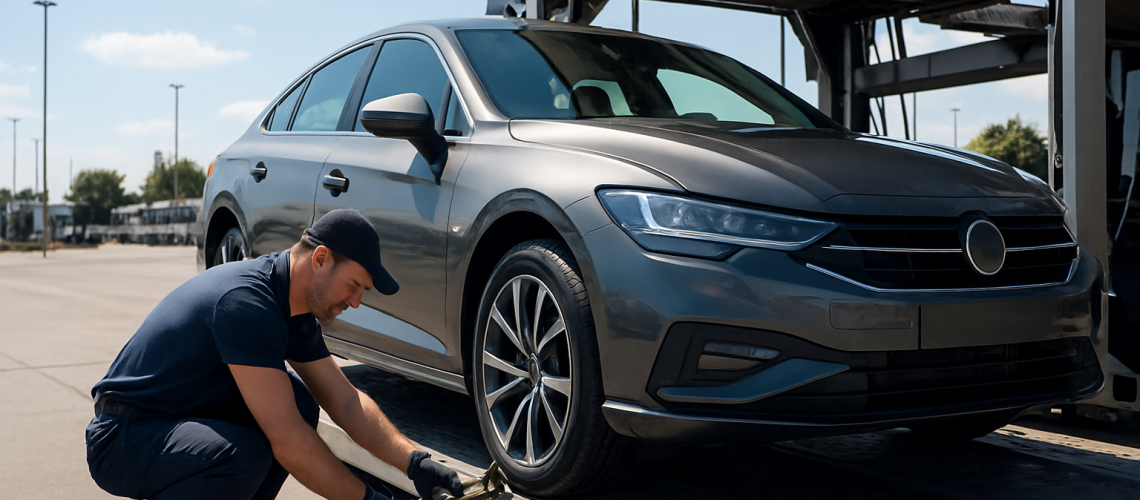
Efficient car transport methods help drivers move vehicles across long distances without adding unnecessary mileage, travel time, or wear.
Efficient Car Transport Methods
Understanding open transport, enclosed shipping, door-to-door service, equipment requirements, and pickup planning makes it easier to choose transportation that fits your vehicle and route.
In addition, efficient car transport methods should balance protection, carrier availability, pricing, and convenience rather than focusing on one factor alone.
No single shipping method fits every vehicle. For example, an everyday sedan and a restored classic may need very different transportation equipment.
- Open and enclosed transportation options
- Door-to-door coordination when access allows
- Nationwide vehicle transportation
- Vehicle preparation guidance
- Route-specific carrier planning



Compare the two most common carrier types
Efficient Car Transport Methods: Open and Enclosed Options
Most customers compare open and enclosed carriers first. For example, open transport works well for many everyday cars, SUVs, and pickups, while enclosed transportation offers additional protection for specialty vehicles.
Therefore, the better choice among these vehicle transport options depends on the vehicle, budget, route, and level of protection you want.
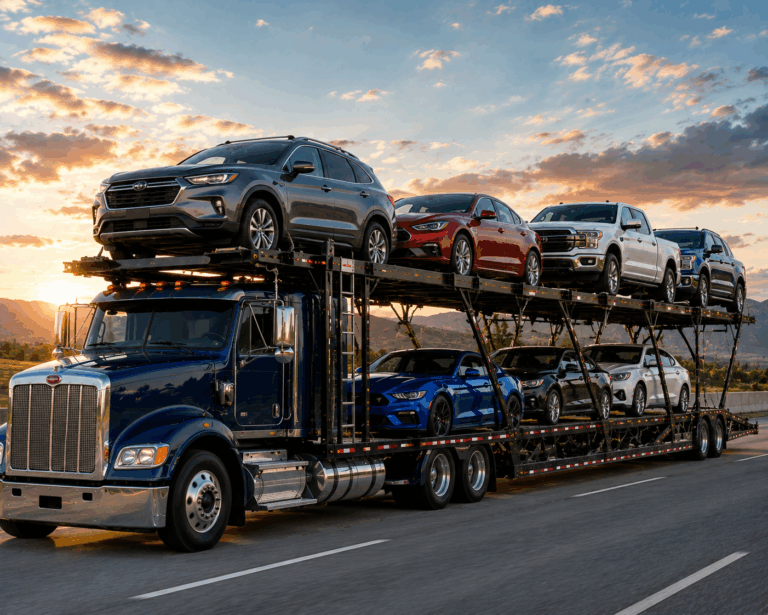
Open Car Shipping Methods
Open carriers transport several vehicles on exposed multi-level trailers. Because this equipment is common on major interstate routes, open shipping often provides broad carrier availability and competitive pricing.
However, vehicles remain exposed to normal weather and road conditions during transit.
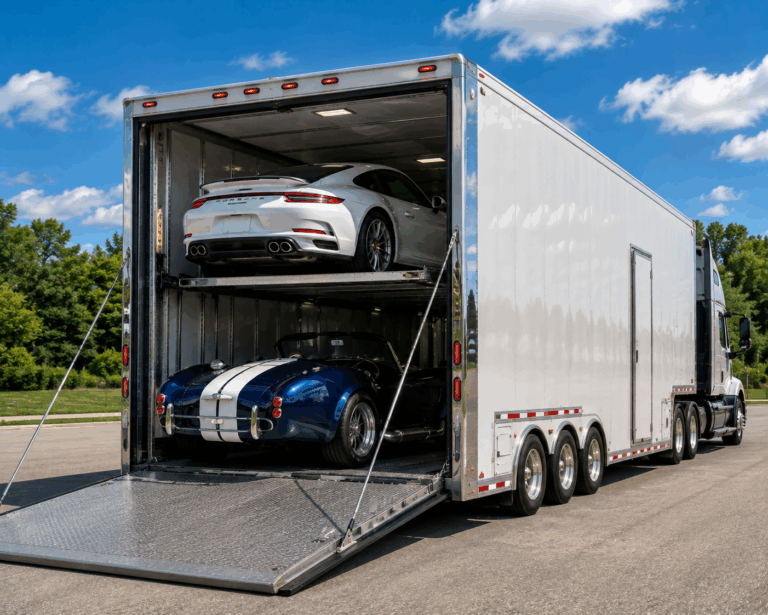
Enclosed Vehicle Transport Options
Enclosed carriers shield vehicles from direct weather and normal road exposure. As a result, owners often consider enclosed shipping for classic, exotic, restored, luxury, or low-clearance vehicles.
Although enclosed service usually costs more, it can be a better fit when protection matters more than the lowest price.
Convenience still depends on safe truck access
Door-to-Door Vehicle Transport Options
Among efficient car transport methods, door-to-door service offers a convenient way to reduce extra driving before and after shipment.
In practice, large transport trucks need room to enter, turn, load, and unload. Therefore, narrow streets, low branches, gated communities, or local restrictions may require a nearby meeting point.
When a Nearby Meeting Point Makes Sense
A large parking lot or accessible commercial road can sometimes provide safer loading space. For example, a driver may suggest meeting nearby when a residential street is too tight for a multi-vehicle carrier.
Consequently, flexible pickup access can make door-to-door vehicle transport easier without turning the shipment into terminal service.
Terminal Shipping Is Less Common for Many Customers
Terminal-to-terminal shipping can work in some markets, but it requires the customer to deliver and collect the vehicle at designated facilities.
By contrast, many customers prefer door-to-door coordination because it reduces extra driving and handling.
Still, terminal shipping can remain one of several car transport options when route access or timing creates a specific need.
Match the method to the actual shipment
How to Choose the Right Car Shipping Method
Choosing among car shipping methods starts with the actual vehicle and route. First, consider the vehicle’s value, dimensions, operating condition, modifications, and ground clearance.
Next, compare the pickup window, destination access, seasonal demand, and whether open or enclosed equipment fits your needs.
Match Vehicle Shipping Methods to the Vehicle
Standard cars often fit open equipment without special planning. Meanwhile, oversized pickups, inoperable vehicles, or cars with very low clearance may need different loading arrangements.
For that reason, efficient car transport methods begin with accurate vehicle information rather than a one-size-fits-all recommendation.
Compare Auto Transport Options Beyond Price
A low price can be attractive, but it should still reflect realistic carrier conditions.
Therefore, compare what the quote includes, the equipment discussed, the pickup window, and the company’s payment and cancellation terms.
In addition, verify the company’s operating role and federal information before booking.
Mileage is only one pricing factor
Cost Factors for Efficient Car Transport Methods
Efficient car transport methods do not have one nationwide flat price. Instead, cost changes with distance, route demand, vehicle size, transport type, operating condition, season, and pickup flexibility.
For example, a large lifted pickup can require more trailer space than a compact sedan.
Open vs. Enclosed Pricing
Open transport usually offers broader availability because more carriers operate this equipment.
By contrast, enclosed trailers carry fewer vehicles and serve a more specialized market. Consequently, enclosed shipping often costs more than open transport on the same route.
Route and Seasonal Demand
Popular interstate lanes can attract regular carrier traffic. However, remote mountain, rural, or harder-to-access pickup areas can require additional routing.
Likewise, snowbird seasons, holidays, severe weather, and regional demand can affect current vehicle transport options and pricing.
Vehicle Size and Condition
Large SUVs, pickups, and modified vehicles can use more trailer space. In addition, an inoperable vehicle may require winch-capable equipment.
Therefore, accurate vehicle information helps produce a more useful transportation estimate.
Prepare before the carrier arrives
Prepare Your Vehicle Before Shipping
Good preparation supports a smoother pickup and creates a useful condition record. First, remove valuables and unnecessary loose items.
Then, check the tires, look for visible leaks, provide working keys, and take clear exterior photographs before loading.
Document Condition at Pickup and Delivery
No matter which vehicle shipping methods you choose, the driver should document vehicle condition on the transportation paperwork at pickup.
Before signing, review that record and compare it with your own photos. At delivery, inspect the vehicle again and note any concerns whenever practical.
Confirm Access and Contacts
Pickup and delivery contacts should have working phone numbers and understand the expected transportation window.
In addition, tell the transport company about gated communities, low-clearance roads, steep grades, or other access limitations.
As a result, these car shipping methods work more smoothly when the carrier knows about access concerns before arrival.
Research the company as well as the shipping method
Verify the Company Before You Book
Comparing efficient car transport methods also requires choosing a legitimate transportation company. Therefore, verify whether the business operates as a broker, motor carrier, or both.
You can review broker and motor carrier information through the Federal Motor Carrier Safety Administration.
Check Reviews and Written Terms
Independent reviews can reveal patterns involving communication, pricing, pickup, delivery, and problem resolution.
However, one review should not determine the entire decision. Instead, compare recent feedback across established sources and read the written payment, cancellation, and scheduling terms.
Review Independent Business Information
Company websites naturally describe their own vehicle transport options. Therefore, outside sources can provide useful additional context.
For example, customers can review Webster Hauling’s Better Business Bureau profile before booking.
Practical planning instead of one-size-fits-all shipping
Why Webster Hauling Uses Practical Vehicle Transport Options
Webster Hauling has been moving vehicles since 2001 and has held broker authority since 2011.
Because efficient car transport methods depend on the actual shipment, we review the route, vehicle, first available pickup date, equipment needs, and current carrier activity before arranging transportation.
In addition, customers can review independent business information and federal operating records before booking.
Common questions about transportation methods
Efficient Car Transport Methods FAQs
Which method is best for an everyday car?
Open transport works well for many everyday vehicles because carrier availability is broad on common routes. However, the best vehicle transport options still depend on the vehicle, route, timing, and customer preference.
When should I choose enclosed transport?
Enclosed shipping can make sense for classic, exotic, restored, luxury, or specialty vehicles. By contrast, many standard passenger vehicles move successfully on open carriers.
Is door-to-door shipping always possible?
Usually, the carrier can get close to the requested addresses. However, safety, legal restrictions, narrow roads, low branches, or limited turning space may require a nearby meeting point.
Can a non-running vehicle be shipped?
Often, yes, but the carrier may need winch-capable equipment or other loading arrangements. Therefore, tell the transport company whether the vehicle starts, rolls, steers, and brakes before booking.
How do I compare car shipping methods?
Compare equipment, protection, carrier availability, route access, pricing, pickup flexibility, and vehicle condition. In addition, the most efficient car transport methods should match both the vehicle and the actual route.
Company history and practical transport experience
Reviewed by Wayne Webster
This guide reflects practical vehicle transport experience developed through Webster Hauling’s work since 2001.
In addition, these efficient car transport methods focus on equipment choice, route access, pricing factors, vehicle preparation, and company verification rather than promising one method for every shipment.
Request Vehicle Transport Options for Your Route
Finally, provide the exact pickup and delivery locations, vehicle year, make, model, operating condition, and first available date.
Then, Webster Hauling can review car transport options based on the actual shipment and current carrier conditions.
Webster Hauling — Atkins, Arkansas
Veteran-owned, family-operated nationwide vehicle transport coordination.
1007 W Main St, Atkins, AR 72823888-333-6343
479-316-2329
Wayne@WeCarTransport.com