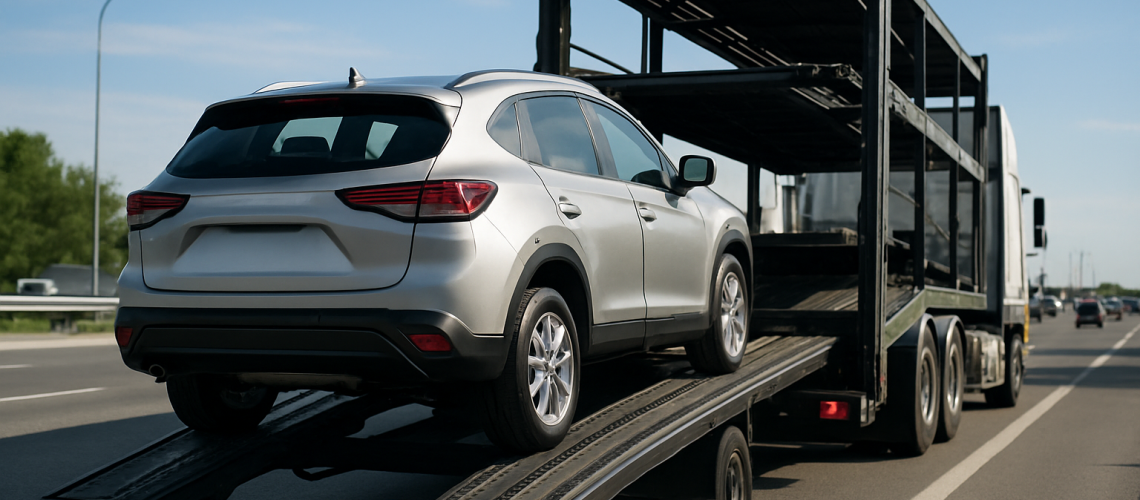
Car shipping cost factors can change the price of transporting a vehicle by hundreds of dollars. Distance, route, vehicle size, transport type, seasonal demand, and pickup flexibility all influence the final quote, so understanding these details can help you make a better decision.
What Determines Car Shipping Cost Factors?
Several details work together when a company calculates a vehicle transport quote. First, the pickup and delivery locations establish the route and approximate mileage.
Vehicle size also matters because larger cars, trucks, vans, and SUVs use more trailer space. In addition, equipment choice and carrier availability can change the amount required to move the vehicle.
Understanding these car shipping cost factors makes it easier to compare realistic quotes instead of looking only at the lowest number.
Distance and Auto Transport Price Factors
Distance is one of the strongest factors affecting car shipping costs. A vehicle traveling across the country will normally cost more overall than one moving a few hundred miles.
However, price does not increase at exactly the same rate as mileage. Longer routes can sometimes have a lower cost per mile because the carrier spreads operating expenses across a greater distance.
Route popularity matters as well. For example, major interstate corridors often attract more carriers than rural or difficult-to-reach locations.
Open vs. Enclosed Vehicle Shipping Cost Factors
Transport equipment is another important auto transport price factor. Open carriers handle most everyday vehicles and usually provide the greatest nationwide availability.
Enclosed transport, by comparison, adds protection from normal weather and road exposure. As a result, owners often choose enclosed service for classic, exotic, restored, luxury, or low-clearance vehicles.
For more information, compare our Open Car Transport and Enclosed Car Transport services.
Vehicle Shipping Cost Factors Beyond Mileage
Several vehicle shipping cost factors come directly from the car itself. Size, weight, running condition, clearance, and modifications can all affect trailer placement and loading requirements.
Vehicle Size and Weight
Larger vehicles take up more usable trailer space. Therefore, pickups, large SUVs, vans, and oversized vehicles may cost more to transport than compact cars.
Height can also affect loading. For that reason, customers should disclose lift kits, oversized tires, roof accessories, or other modifications before a carrier is assigned.
Vehicle Condition and Car Shipping Cost Factors
Vehicle condition is another major part of car shipping cost factors. Operable vehicles can usually drive onto and off the carrier under their own power.
Non-running vehicles may require a winch or other loading equipment. Consequently, a carrier may charge more when additional equipment or labor is necessary.
Accurate information prevents surprises later. Before booking, explain whether the vehicle starts, rolls, steers, and brakes.
Seasonal Factors Affecting Car Shipping Costs
Seasonal demand can change what affects car shipping prices even when the vehicle and route remain the same. Snowbird travel, holidays, college moves, severe weather, and summer relocations can all increase demand.
For instance, northbound transportation from Florida often becomes busier during spring. Meanwhile, southbound demand can increase during fall as seasonal residents return to warmer states.
Because carrier supply changes throughout the year, the same vehicle traveling the same route may receive different quotes at different times.
Fuel Costs and Auto Transport Price Factors
Fuel prices can influence transportation expenses, although they are only one part of the overall market. More importantly, available carrier capacity can change quickly on specific routes.
When many vehicles compete for limited trailer space, carriers may accept the higher-paying shipments first. Therefore, current supply and demand remain important auto transport price factors.
Timing and Car Shipping Cost Factors
Pickup timing is one of the most overlooked car shipping cost factors. Customers who provide several workable pickup days generally give dispatchers more carrier options.
By contrast, requiring one exact pickup date can reduce the number of available carriers. A tighter schedule may therefore require a stronger offer to attract equipment to the route.
Last-minute requests can also affect pricing in some markets. Planning ahead does not guarantee a lower price, but it often creates more options.
Pickup Locations and Vehicle Shipping Cost Factors
Major metropolitan areas often attract more carrier traffic than remote locations. Consequently, a vehicle near a major interstate may fit more easily into an existing transport route.
Rural service is still possible, but extra mileage can affect the quote. In some situations, meeting the carrier closer to a major roadway can improve access.
How Car Shipping Cost Factors Affect Your Quote
An accurate quote starts with accurate information. Provide the year, make, model, running condition, pickup ZIP code, delivery ZIP code, and first available pickup date.
Those details allow the company to evaluate the actual vehicle shipping cost factors involved in your move. Missing or incorrect information can lead to an estimate that does not reflect the real transportation requirements.
Vehicle modifications should also be disclosed. In particular, oversized tires, low clearance, lift kits, added racks, or unusual dimensions can affect how the carrier loads the vehicle.
For more preparation information, visit our Car Preparation Guide.
Compare Quotes and Auto Transport Price Factors
A low price can look attractive, but customers should compare more than cost. Instead, review company history, communication, federal authority, customer feedback, and written terms.
You can review federal transportation information through the FMCSA carrier and broker lookup. In addition, the Better Business Bureau provides public business profiles.
Reliable pricing should reflect current market conditions. Therefore, be cautious when one quote sits far below every other realistic estimate.
Understanding Factors Affecting Car Shipping Costs
Understanding factors affecting car shipping costs takes more than looking at mileage. Experienced transport companies also consider route demand, equipment availability, timing, vehicle size, and operating condition.
Webster Hauling has coordinated vehicle transportation since 2001 and has held broker authority since 2011. That experience helps us evaluate each shipment using current route information rather than relying on one generic price chart.
For example, a standard sedan moving between two major cities may price differently from a lifted pickup traveling between rural areas. Season and schedule can create additional differences.
Frequently Asked Questions About Shipping Prices
Why can car shipping quotes change?
Market demand, carrier availability, fuel costs, route conditions, vehicle size, and scheduling can all affect pricing. Because those conditions change, quotes for the same route may also change.
Does vehicle size increase transport cost?
Yes. Larger vehicles use more trailer space and can add weight, so pickups, vans, and large SUVs often cost more than smaller cars.
Does enclosed shipping cost more?
Usually, yes. Enclosed carriers provide additional protection and have fewer available spaces, so the service generally costs more than open transport.
Can flexible dates help reduce the price?
Sometimes. Flexible pickup dates give dispatchers more carrier choices, while one exact date can limit availability.
Do non-running vehicles cost more to transport?
They can because the carrier may need special loading equipment. Therefore, explain the vehicle’s condition accurately before booking.
Understand the Cost Factors Before Booking
Knowing the main car shipping cost factors makes transportation pricing easier to understand. Distance, route, vehicle size, transport method, operating condition, season, and pickup timing all contribute to the final quote.
Most importantly, compare realistic quotes instead of automatically choosing the lowest price. Clear information and good communication help both the customer and transport company plan the shipment properly.
Ready for current pricing? Request a Webster Hauling car shipping quote or call 888-333-6343.
