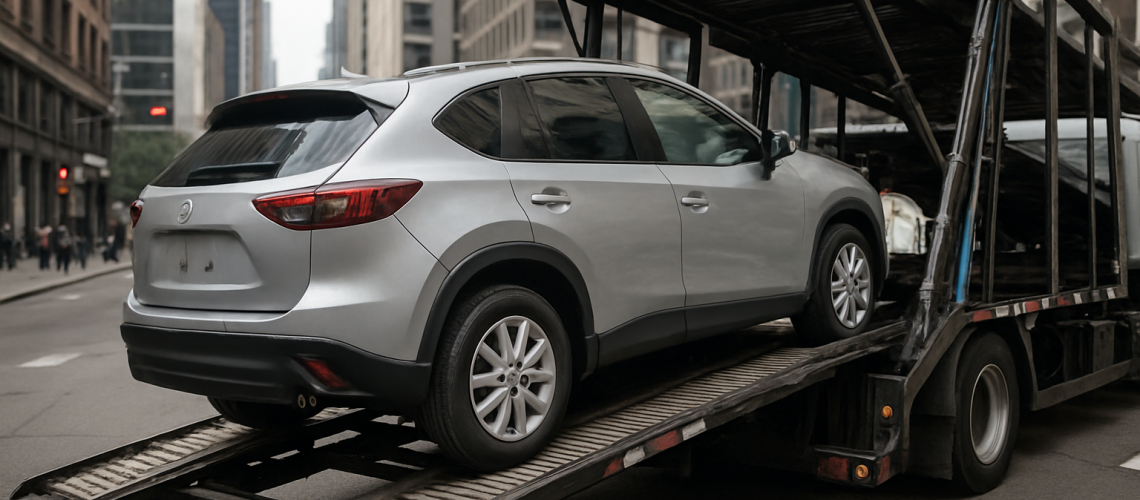
Car shipping tips for beginners can make a first vehicle move much easier to understand. Before booking, learn how auto transport works, compare companies carefully, prepare the vehicle correctly, and understand what can affect the final price.
Start With the Basics of Auto Transport
First, decide what you need from an auto transport company. Some customers simply want an everyday vehicle moved between states, while others need enclosed transport for a classic, luxury, or specialty car.
These beginner car shipping tips start with accurate information. You will normally need the pickup ZIP code, delivery ZIP code, vehicle year, make and model, running condition, and first available pickup date.
Next, gather those details before requesting quotes. Accurate information helps the company understand your route and match the vehicle with suitable transport equipment.
Research the Company Before Booking
One of the most important car shipping tips for beginners is to verify the company before committing. Check its operating history, customer reviews, federal authority, and communication practices.
The Better Business Bureau can help you review a company’s public profile. In addition, the FMCSA carrier and broker lookup provides federal transportation information.
Price should not be the only factor. Instead, compare experience, written terms, communication, authority, and how clearly the company explains the shipping process.
Prepare Your Vehicle for Pickup
A good first-time car shipping guide should also explain vehicle preparation. Clean the car well enough to see its exterior condition, then take clear photographs from several angles.
Remove valuables, loose accessories, and unnecessary personal property. Also, leave roughly one-quarter tank of fuel so the driver can load and unload the vehicle without carrying unnecessary weight.
Check the tires, battery, and visible fluid leaks before pickup. If the vehicle has modifications, oversized tires, low ground clearance, or mechanical problems, tell the transport company in advance.
Understand the Car Shipping Process
Another important part of car shipping tips for beginners is understanding that booking, pickup, and transit are separate parts of the shipment. A carrier may need time to reach the pickup area before the loaded trip begins.
For example, a three-day transit estimate does not always mean the vehicle will arrive three days after you place the order. Pickup timing, traffic, weather, route conditions, and carrier availability can all affect the overall schedule.
Because of that, flexible pickup windows usually help. More flexibility often gives the dispatcher additional carrier options.
Compare Open and Enclosed Transport
Many auto transport tips for beginners include comparing open and enclosed service. Open transport works well for most standard cars, trucks, and SUVs.
Moreover, open carriers make up a large part of the nationwide vehicle transport network. That wider availability often makes open service the practical choice for everyday vehicles.
Enclosed transport adds protection from normal weather and road exposure. As a result, owners often choose enclosed service for classic, exotic, restored, luxury, or low-clearance vehicles.
You can learn more on our open car transport and enclosed car transport pages.
Review Pricing Carefully
Understanding pricing is another key part of car shipping tips for beginners. Rates can change according to distance, vehicle size, route, fuel costs, seasonal demand, transport type, and pickup flexibility.
Therefore, a useful quote should reflect the actual shipment rather than one generic state-to-state number. Very low quotes deserve extra attention because they may not reflect current carrier demand.
Instead of choosing the cheapest number automatically, ask what the quote includes and how the company plans to arrange the transport. For additional information, visit our car shipping cost guide.
Choose the Right Service for Your Vehicle
These vehicle shipping tips for first-time customers also apply when choosing the right service. Every shipment has different priorities, so the best option depends on the vehicle, route, timing, and customer needs.
For instance, someone moving an everyday commuter car may value cost and flexibility. By contrast, a collector may care more about enclosed equipment and careful loading.
Door-to-door transport works well for many customers because the carrier attempts to get as close as safely and legally possible to both addresses. However, narrow streets, low trees, gated communities, or local truck restrictions may require a nearby meeting point.
Plan for Pickup Access
A practical first-time auto transport tip is to think about truck access before pickup day. Large transport trucks need enough room to turn, stop, and load safely.
Consequently, the driver may suggest a nearby parking lot or wider road when residential access is limited. That adjustment does not necessarily mean the shipment is no longer door to door.
Rather, the driver is choosing the closest safe and legal loading location.
Why Experience Matters in Vehicle Shipping
Another part of car shipping tips for beginners is knowing what an experienced transport company actually does. Vehicle shipping involves more than simply placing a car on a truck.
Companies must communicate with customers, review routes, match equipment, verify carriers, manage timing, and respond when transportation conditions change.
For that reason, experience can help when unexpected issues arise. A reliable company should explain realistic options instead of promising results that depend on factors outside its control.
Webster Hauling Experience
Webster Hauling has worked with vehicle transportation since 2001 and has held broker authority since 2011. In addition, the company maintains an A+ Better Business Bureau rating and operates as a veteran-owned, family-operated business.
Customers can choose open transport, enclosed transport, interstate vehicle shipping, and other services based on the vehicle and route. Learn more on our car shipping services page.
Common Questions From First-Time Customers
How should I prepare my car for shipping?
One of the simplest car shipping tips for beginners is to prepare the vehicle before the carrier arrives. Clean the car, photograph its condition, remove valuables, check the battery and tires, and leave roughly one-quarter tank of fuel.
How long does car shipping usually take?
Transit depends on mileage, route, weather, traffic, carrier stops, and scheduling. Generally, shorter interstate trips may take only a few days, while longer cross-country routes can take a week or more.
Should I choose the cheapest quote?
No. A useful beginner vehicle shipping tip is to compare more than price. Review company experience, communication, authority, reviews, written terms, and whether the quote appears realistic for the route.
Can I ship a non-running vehicle?
Yes, many non-running vehicles can move with the right equipment. However, explain whether the vehicle starts, rolls, steers, and brakes before the company arranges a carrier.
What happens if I notice damage at delivery?
Inspect the vehicle before signing the final delivery paperwork. If you notice a new issue, document it immediately with photographs and note it on the inspection paperwork before contacting the transport company.
Final Advice for First-Time Vehicle Shipping
Car shipping tips for beginners become much easier to follow when you focus on a few fundamentals: verify the company, provide accurate vehicle information, prepare the car properly, understand the schedule, and compare more than price.
Finally, ask questions before booking if any part of the process seems unclear. Good communication helps both the customer and the transport company plan the shipment correctly.
Ready to move a vehicle? Contact Webster Hauling for a car shipping quote or call 888-333-6343.
