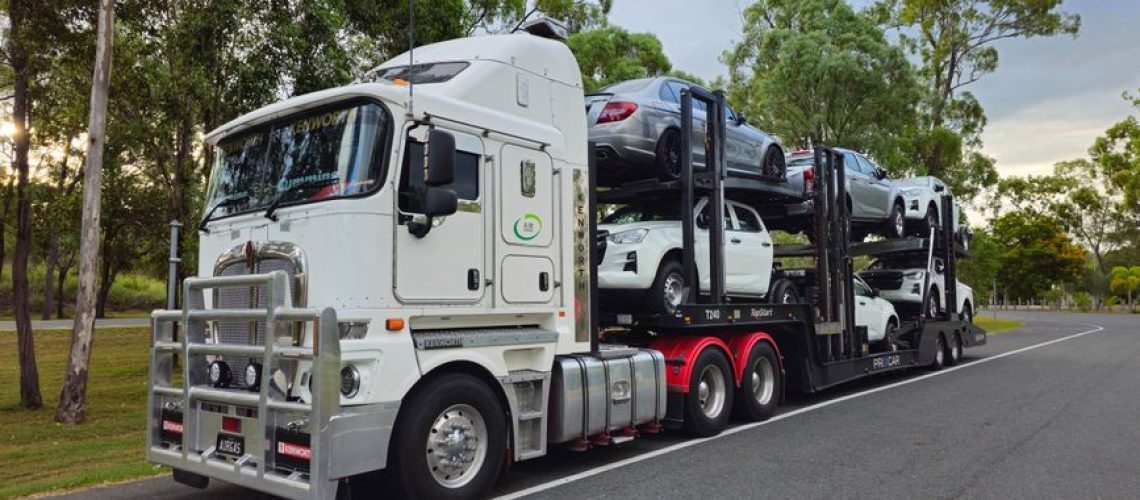
Enclosed auto transport gives valuable vehicles added protection from weather, road debris, and outside exposure during shipping. Owners often choose it for classic, exotic, restored, luxury, or specialty vehicles. However, the right choice depends on the vehicle, route, timing, and budget.
This guide explains how enclosed vehicle shipping works, what it costs, and when it makes sense. In addition, it covers preparation, insurance questions, carrier selection, and long-distance planning.
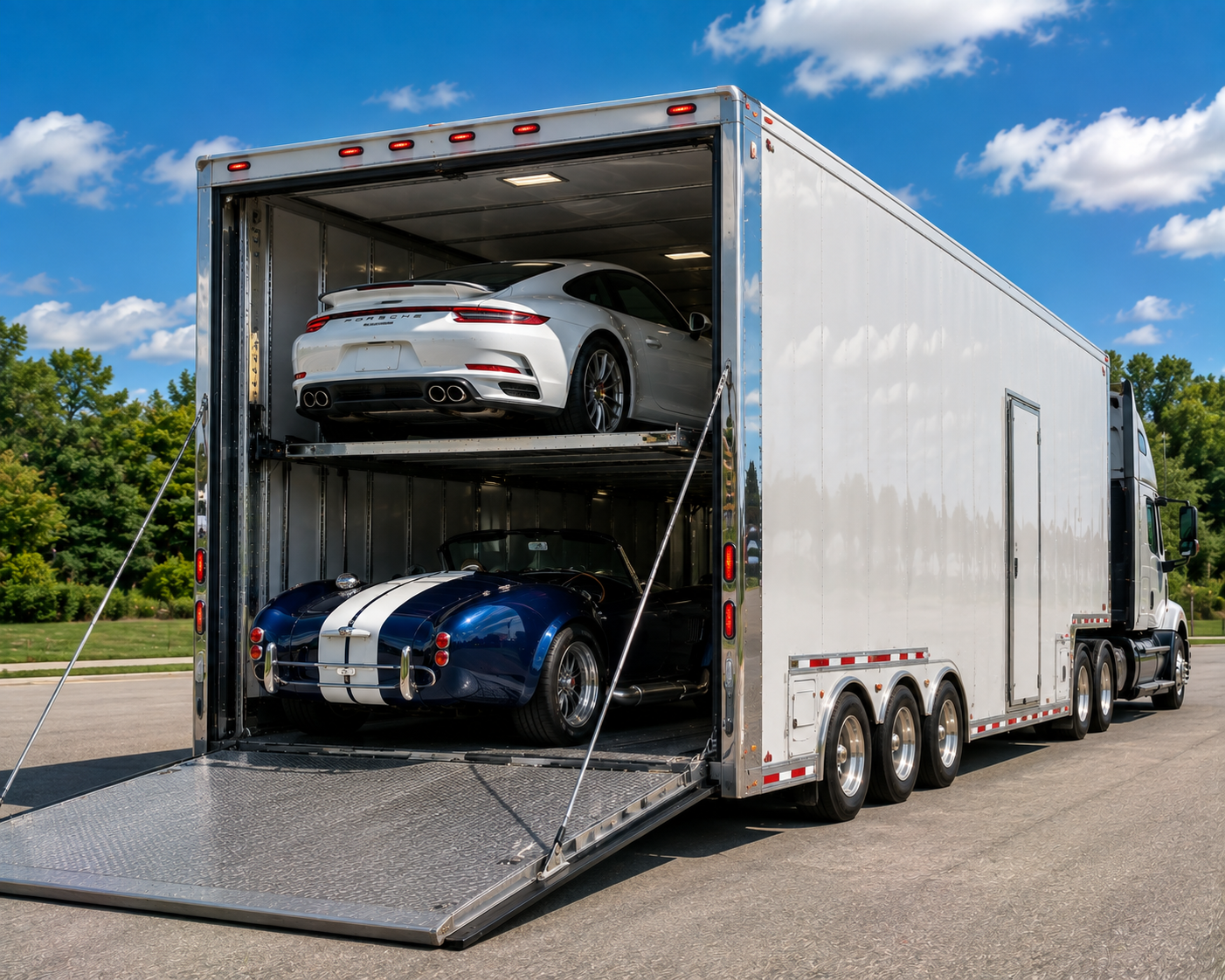
Benefits of Enclosed Auto Transport
Enclosed trailers surround the vehicle with walls and a roof during transportation. Therefore, they reduce exposure to rain, dust, road debris, and other outside conditions. Open carriers remain the most common choice for standard vehicles. By contrast, enclosed carriers usually carry fewer vehicles and use more specialized equipment.
- Protection from weather and road debris.
- Reduced outside exposure during transportation.
- Specialized handling for valuable or low-clearance vehicles.
- Smaller loads on many enclosed trailers.
- Equipment options that may better fit specialty vehicles.
Customers can compare both methods in our open car transport guide. In addition, our enclosed vehicle shipping page explains the service in more detail.
How the Enclosed Shipping Process Works
First, provide the pickup and delivery ZIP codes, vehicle details, condition, and first available pickup date. Next, the transport company reviews the route, equipment needs, and current carrier availability.
Once a suitable carrier accepts the shipment, the company coordinates pickup details. At pickup, the driver inspects the vehicle and records its condition. Then, the driver loads and secures the vehicle inside the trailer. Finally, the customer inspects the vehicle again at delivery.
For long routes, enclosed auto transport can protect a valuable vehicle while the owner travels separately. That can reduce mileage, wear, and the need for a multi-day road trip.
Open Versus Enclosed Vehicle Shipping
Open transport works well for most everyday cars, SUVs, and pickups. In addition, open carriers usually offer wider availability on many routes. Enclosed shipping provides more protection from outside exposure. However, it often costs more because enclosed trailers carry fewer vehicles.
Therefore, the best option depends on the vehicle and the owner’s priorities. A daily driver may fit open transport well. A rare classic or exotic car may justify the additional protection of covered vehicle transport.
Preparing for Enclosed Auto Transport
Good preparation helps the driver load safely and gives the owner a clear condition record. First, remove valuables and unnecessary personal items. Next, photograph every side of the vehicle before pickup.
- Take close-up photos of existing scratches or damage.
- Check tire pressure and battery condition.
- Report leaks or mechanical problems before dispatch.
- Disclose low ground clearance and vehicle modifications.
- Tell the company about oversized tires or suspension changes.
- Leave enough fuel for loading and unloading.
- Provide a working key to the driver.
- Keep pickup and delivery contacts available.
In addition, review our complete vehicle preparation guide before the carrier arrives. Accurate information helps the company match the vehicle with suitable equipment.
Cost Factors for Enclosed Vehicle Shipping
No single price fits every shipment. Instead, distance, vehicle size, route, season, timing, and equipment all affect the quote. Larger vehicles use more trailer space. Likewise, non-running vehicles may require special loading equipment.
Route strength also matters. Major lanes may offer more carrier availability, while rural routes can require additional planning. Meanwhile, tight pickup windows may reduce flexibility and increase the carrier offer needed for the move.
Because enclosed trailers carry fewer vehicles, enclosed auto transport often costs more than standard open shipping. However, many owners consider the added protection worthwhile for valuable or specialty vehicles.
For a broader explanation, see what affects car shipping costs. Then, request a current quote for the actual vehicle and route.
Example Long-Distance Route: Illinois to Texas
Illinois has long served as a major transportation center because of its central location and extensive highway network. Chicago also developed into one of the country’s largest transportation hubs.
Texas remains a popular destination for vehicle shipping because of population growth, military moves, job relocations, auctions, dealerships, and collector activity. Therefore, enclosed auto transport can make sense for valuable vehicles moving between these states.
For example, a restored car moving from Illinois to Texas can travel separately while the owner flies or drives another vehicle. As a result, the owner avoids adding unnecessary mileage to the restored car.
Insurance and Vehicle Inspection
Before pickup, ask about the assigned carrier’s cargo coverage and policy limits. Coverage terms can vary by carrier and policy. Therefore, review the carrier information before transportation begins.
You can verify federal operating records through the FMCSA carrier lookup. In addition, the U.S. Department of Transportation provides transportation information and consumer resources.
At pickup, take clear photos and review the Bill of Lading. At delivery, compare the vehicle with the pickup inspection before signing. If you notice a concern, document it immediately.
Choosing a Trustworthy Enclosed Transport Provider
Price matters, but it should not be the only factor. Customers should also review licensing, communication, experience, reputation, and carrier screening. First, confirm the company’s federal authority. Next, read independent business reviews.
Be cautious when one quote sits far below the rest of the market. An unusually low price may not match what carriers currently accept. Therefore, compare the complete service instead of choosing only by price.
A reliable company should explain route conditions, equipment needs, timing, and pricing clearly. That approach helps customers understand what the quote includes before pickup.
Why Choose Webster Hauling for Enclosed Auto Transport
Webster Hauling has helped customers coordinate vehicle transportation since 2001. That gives our family-operated company more than 25 years of industry experience. In addition, Webster Hauling maintains an A+ Better Business Bureau rating.
Customers can review our BBB business profile before booking. We focus on realistic pricing, clear communication, and route-specific planning.
We also help customers compare equipment options rather than treating every vehicle the same. Reliability and affordability both matter. Therefore, we review the actual vehicle, route, timing, and current carrier market.
For more information, visit the Webster Hauling homepage or review our vehicle shipping FAQs.
Frequently Asked Questions
Is enclosed vehicle shipping worth the extra cost? For valuable, rare, restored, exotic, or low-clearance vehicles, enclosed auto transport can be worthwhile. However, the owner’s priorities should guide the decision.
Does covered transport guarantee zero damage? No transport method can remove every risk. Therefore, inspect the vehicle carefully before pickup and again at delivery.
How long does enclosed vehicle shipping take? Transit time depends on distance, route, weather, traffic, stops, and carrier availability. Long-distance moves usually require more time than regional routes.
Can enclosed carriers handle non-running vehicles? Some can. However, the carrier may need winch equipment or other loading tools. Always disclose vehicle condition before dispatch.
Can I place personal belongings inside the vehicle? Ask before pickup because carrier policies can vary. In addition, personal property may not receive the same coverage as the vehicle.
When the vehicle needs additional protection, enclosed vehicle shipping can provide a strong option for long-distance travel. The best plan still depends on the route, schedule, vehicle, and current carrier market.
Final Thoughts on Protected Vehicle Shipping
For classics, exotics, restored vehicles, and other specialty automobiles, enclosed vehicle shipping offers added protection from outside exposure. However, the right decision still depends on the vehicle, route, schedule, and budget.
Therefore, compare equipment, verify the provider, prepare the vehicle carefully, and review the assigned carrier before pickup. Then, request a free vehicle shipping quote for your actual route and vehicle.
