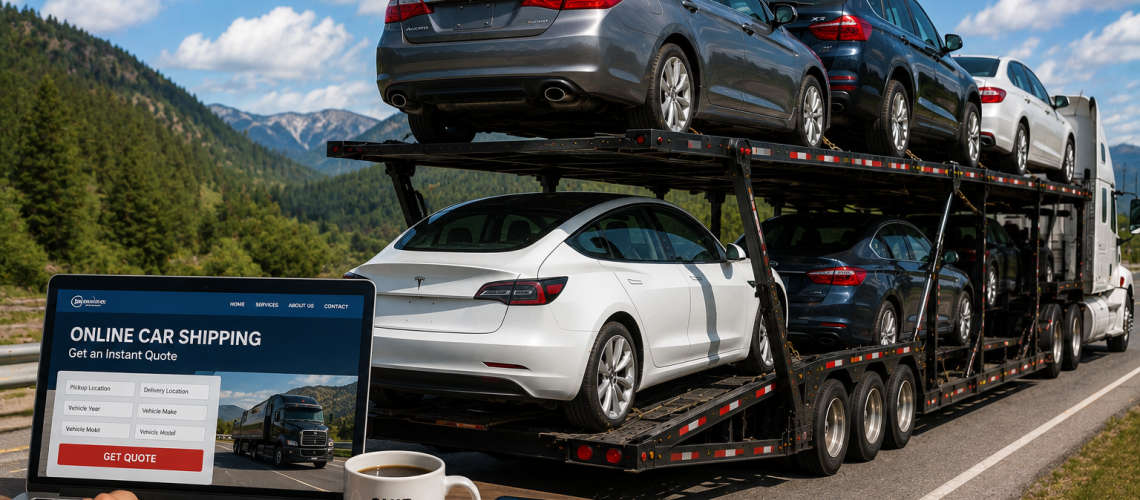
Auction car shipping allows buyers to arrange transportation from an auto auction to a home, dealership, repair facility, or other destination. The key is having the vehicle’s release information, location, operating condition, and pickup requirements ready before transportation is scheduled.
This becomes especially important when you buy remotely. You may never see the automobile in person before the carrier arrives, so accurate information from the auction can prevent avoidable pickup problems.
How Does Auction Car Shipping Work?
Auction car shipping usually begins after you’ve purchased the vehicle and confirmed that it is available for release.
Before arranging transportation, gather:
- Year, make, and model
- Auction location
- Lot or stock number
- Buyer or release information
- Vehicle operating condition
- Destination
- Available pickup dates
- Auction operating hours
If the vehicle is damaged or non-running, provide those details from the beginning.
What Information Is Needed for Auction Vehicle Transport?
Accurate pickup information is especially important for auction vehicle transport because large facilities may process hundreds or thousands of vehicles.
Useful information can include:
- Exact facility name
- Pickup address
- Lot number
- Stock number
- VIN when available
- Release documentation
- Buyer number
- Gate instructions
- Contact information
Don’t assume the carrier can identify the correct vehicle using only its make and model.
Why Does Vehicle Condition Matter for Auction Car Shipping?
Vehicle condition can affect auction car shipping, particularly when purchasing salvage, damaged, or non-running automobiles.
Try to determine whether the vehicle:
- Starts
- Drives
- Rolls
- Steers
- Brakes
- Has inflated tires
- Has collision damage
- Has accessible keys
A running dealership trade-in and a heavily damaged salvage automobile can require very different transportation planning.
Can You Ship a Non-Running Auction Vehicle?
Potentially, depending on its condition and available equipment.
Instead of simply describing the automobile as non-running, determine whether it:
- Rolls freely
- Steers
- Brakes
- Has locked wheels
- Has flat tires
- Has suspension damage
These details help the transportation provider understand the vehicle before attempting auction vehicle shipping.
How Should You Prepare for Auction Car Shipping?
Before scheduling auction car shipping, confirm that the automobile is actually ready for pickup.
Check:
- Payment requirements are complete.
- The vehicle has been released.
- Required documents are available.
- Pickup hours are confirmed.
- The vehicle location is known.
- Operating condition is accurate.
- Keys are available when applicable.
- The destination information is correct.
A carrier arriving before the automobile is released can create an unnecessary delay.
What Is a Vehicle Release?
A vehicle release authorizes the auction or facility to allow the automobile to leave with the appropriate carrier or buyer.
Requirements vary by facility.
Depending on the auction, release procedures may involve buyer information, payment completion, identification numbers, documents, or electronic authorization.
Complete the required steps before auction car transport is scheduled whenever possible.
How Do Pickup Hours Affect Auction Vehicle Shipping?
Auction facilities may have specific hours for carrier pickups.
Some locations may also have:
- Appointment requirements
- Gate procedures
- Restricted pickup days
- Holiday schedules
- Separate transportation entrances
- Check-in requirements
When arranging auction vehicle shipping, verify the current pickup requirements directly with the facility.
This is especially important when transportation timing is limited.
What Should You Know About Storage Fees?
Some auction facilities may charge storage or other fees based on their own policies and timelines.
Review the terms associated with your purchase and determine when the vehicle needs to be removed.
Don’t assume transportation can be arranged instantly after purchase. Carrier availability, release requirements, route, and vehicle condition can all influence pickup timing.
Planning ahead can help reduce unnecessary complications.
Does Vehicle Damage Affect Auction Car Transport?
Yes. Damage can change how an automobile needs to be handled.
Tell the transportation provider about:
- Collision damage
- Broken suspension
- Locked wheels
- Flat tires
- Steering problems
- Loose body panels
- Fluid leaks
- Missing components
Photographs from the auction listing can be useful when explaining these conditions.
Accurate damage information is particularly important for auction car shipping when the buyer hasn’t personally inspected the automobile.
Can Cars Be Shipped From Salvage Auctions?
Depending on the vehicle and transportation arrangements, salvage-auction purchases may be transported.
The automobile’s condition becomes especially important.
A salvage vehicle might have cosmetic damage while remaining operational, or it could have substantial collision damage that affects its ability to roll, steer, or brake.
When arranging salvage auction transport, provide as much condition information as possible before pickup.
What Should You Photograph or Save Before Pickup?
If you purchased the automobile online, save the auction photographs and listing information before they become difficult to access.
Useful records can include:
- Exterior photographs
- Interior photographs
- Damage photographs
- Lot information
- Vehicle description
- VIN information
- Condition notes
If someone is available to take additional photographs before pickup, those images may provide another useful condition reference.
Documentation is valuable during auction car shipping, especially when the buyer is located in another state.
Can a Carrier Pick Up Directly From the Auction?
Depending on the facility and transportation arrangements, yes.
The carrier may need information such as:
- Vehicle location
- Buyer information
- Lot number
- Release number
- Gate instructions
Large auctions can have specific procedures for commercial carriers, so make sure the necessary information is available before pickup.
Clear instructions help make auction vehicle transport easier to coordinate.
How Does Carrier Access Affect Auction Car Shipping?
Large auto carriers require sufficient space for entry, maneuvering, loading, and departure.
Established auto auctions often have procedures for transport carriers, but smaller facilities, storage yards, and specialty auctions can differ.
Confirm:
- Correct carrier entrance
- Gate hours
- Loading location
- Access restrictions
- Contact procedures
These details can prevent the carrier from arriving at the wrong entrance or location.
Does Auction Car Shipping Cost More?
There isn’t one universal price for transporting an auction vehicle.
Pricing can depend on:
- Transportation distance
- Route
- Vehicle size
- Operating condition
- Pickup location
- Destination
- Carrier availability
- Open or enclosed transportation
- Additional loading considerations
A non-running or heavily damaged automobile may present different requirements from a vehicle that can be driven normally.
For that reason, auction car shipping should be quoted using the actual vehicle and route.
How Does Distance Affect Auction Vehicle Transport?
Distance is one factor affecting transportation time, but it isn’t the only one.
Scheduling can also depend on:
- Carrier availability
- Route
- Auction release timing
- Vehicle condition
- Weather
- Traffic
- Road closures
- Other scheduled stops
Long-distance auction vehicle transport generally requires more transit time, but an exact delivery date shouldn’t be assumed from mileage alone.
What Happens When the Carrier Arrives?
The vehicle should already be released and accessible.
The carrier should have the necessary pickup information and know about significant vehicle-condition issues.
If you’re coordinating the shipment remotely, make sure both the auction and transportation provider have accurate contact information.
This reduces the chance that a simple communication issue delays the pickup.
Can Weather Affect Auction Vehicle Shipping?
Yes. Vehicle carriers travel on public highways and can encounter storms, snow, ice, high winds, traffic, construction, accidents, and road closures.
These conditions can affect transportation schedules.
Weather should therefore be considered when coordinating auction vehicle shipping, particularly for interstate or cross-country routes.
What Should You Check at Delivery?
When the automobile arrives, compare it with available pre-transport photographs and transportation documentation.
Check:
- Body panels
- Wheels and tires
- Glass
- Existing damage
- Loose components
- Previously documented marks
For a damaged auction vehicle, existing photographs are particularly useful because the automobile may already have significant defects before transportation begins.
How Do You Choose an Auction Car Transport Provider?
Don’t base the decision solely on price.
Make sure the transportation provider receives accurate information about the automobile, pickup facility, release requirements, condition, destination, and timing.
Consumers can research motor carrier information through the Federal Motor Carrier Safety Administration and transportation information through the U.S. Department of Transportation.
Webster Hauling also has an A+ rating with the Better Business Bureau.
Auction Car Shipping FAQs
Can I Arrange Shipping Before Winning the Auction?
You can research transportation beforehand, but final arrangements generally require accurate pickup, vehicle, and release information. Availability and requirements can change.
Can a Copart or IAA-Type Purchase Be Transported?
Auction purchases may potentially be transported depending on the facility, vehicle condition, release requirements, and available equipment. Confirm the specific auction’s current pickup procedures rather than assuming all facilities operate the same way.
What If My Auction Car Doesn’t Run?
Tell the transportation provider whether it rolls, steers, and brakes. Accurate condition information is important when arranging auction car shipping for a disabled vehicle.
Does the Buyer Have to Be Present?
Depending on the auction’s release procedures, the buyer may not need to be physically present. Confirm the facility’s requirements and provide the necessary release information.
Should I Save the Auction Listing Photos?
Yes. Saving available photographs and condition information gives you useful documentation of how the automobile was represented before transportation.
For additional transportation information, visit Webster Hauling’s Frequently Asked Questions page.
Plan Your Auction Car Shipping
Successful auction car shipping starts before the carrier reaches the auction gate.
Confirm the vehicle’s release status, operating condition, lot information, pickup procedures, carrier access, and destination before transportation.
Webster Hauling helps customers coordinate transportation for vehicles purchased from auctions, dealerships, sellers, and other locations.
Having complete vehicle and release information ready can make the entire pickup process easier to coordinate.
