How to prepare a car for shipping effectively starts with a few practical steps before the carrier arrives. Good preparation can reduce delays, make loading easier, and create a clear record of your vehicle’s condition. Webster Hauling coordinates transportation with qualified motor carriers, so accurate information matters from the beginning.
First, inspect your vehicle and remove unnecessary items. Next, check the tires, battery, fuel level, and exterior accessories. In addition, make sure a large auto transport truck can safely reach the pickup location.
How to Prepare a Car for Shipping Effectively
Car shipping preparation should begin several days before pickup. Start by confirming that the vehicle runs, steers, and brakes properly. If the vehicle has a mechanical problem, tell Webster Hauling before dispatch.
Then review your pickup location. Large transport trucks need enough room to turn, stop, and load safely. Therefore, a nearby parking lot or wide street may work better than a narrow residential road.
For a simple step-by-step list, review our vehicle transport checklist before pickup.
Clean and Inspect the Vehicle
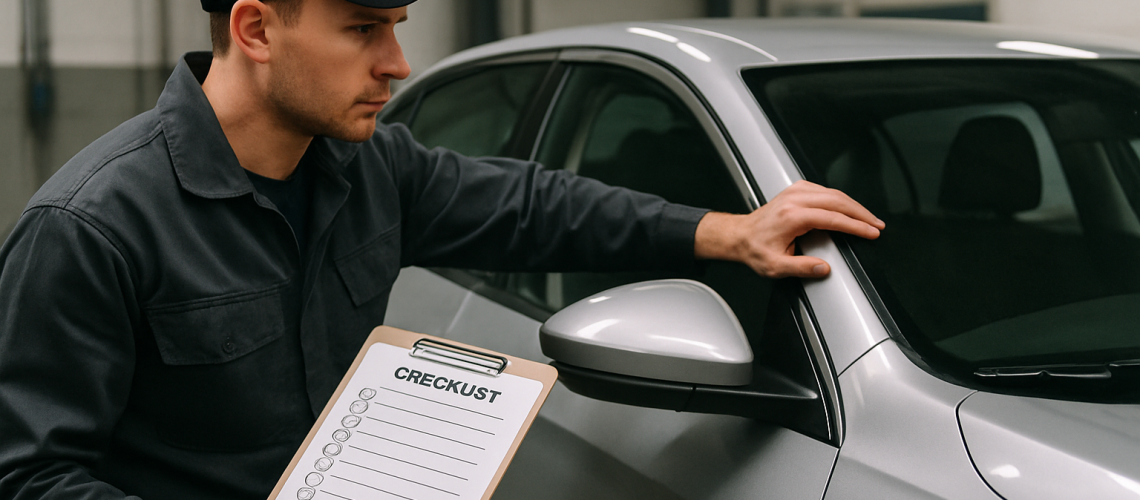
Wash the exterior before pickup so you can clearly see scratches, dents, chips, and other existing damage. Afterward, take photos from several angles.
For example, photograph the front, rear, both sides, wheels, windshield, and any existing damage. Also take a photo of the odometer when useful.
Keep these photos until delivery is complete. As a result, you will have a clear condition record if questions arise later.
Document Existing Damage Before Shipping
At pickup, walk around the vehicle with the driver. The carrier may record existing damage on the bill of lading or vehicle condition report.
Before signing, compare the driver’s notes with your own inspection. Then inspect the vehicle again at delivery before signing the final paperwork.
Remove Personal Items Before Transport
Remove unnecessary personal property before shipping the vehicle. Carrier policies for belongings can vary, and carrier insurance may not protect personal property inside the car.
Therefore, confirm any personal-item allowance before pickup. Our guide to personal belongings during car shipping explains this issue in more detail.
In addition, remove cash, jewelry, medications, important documents, electronics, and irreplaceable items.
Vehicle Transport Preparation for Tires and Battery
Check the tire pressure before the carrier arrives. Proper tire pressure helps the driver load and unload the vehicle safely.
Next, make sure the battery has enough charge to start the vehicle. A weak or dead battery can slow the loading process.
Also check the vehicle for fluid leaks. If you find an oil, coolant, fuel, or other serious leak, tell us before transport.
A severe leak can affect where the carrier places the vehicle on the trailer. Therefore, early notice helps the carrier plan the load correctly.
Tell Us if the Vehicle Does Not Run
If the vehicle does not run, disclose that before booking. A non-running vehicle may require a winch or other loading equipment.
Likewise, tell us about steering, brake, suspension, or tire problems. These details help Webster Hauling arrange transportation with a carrier that has suitable equipment.
Keep the Fuel Level Low
You do not need a full tank of fuel for vehicle transport. In fact, extra fuel adds unnecessary weight.
About one-quarter tank is usually enough for loading, unloading, and short movements around pickup or delivery locations. Therefore, avoid filling the tank shortly before transport.
These steps are part of how to prepare a car for shipping effectively because weight, safety, and vehicle operation can all affect loading.
Prepare Your Car for Shipping by Securing Loose Parts
Check the vehicle for removable or loose exterior accessories. Retract antennas when possible and fold mirrors inward if the vehicle allows it.
In addition, remove temporary roof racks, bike racks, magnetic signs, and loose aftermarket accessories. Make sure spoilers, tonneau covers, and convertible tops remain secure.
As a result, you reduce the chance of an accessory moving or becoming damaged during transportation.
Disable Alarms and Prepare the Keys
Disable alarm systems that could activate during transport. If you cannot completely disable an alarm, explain how the driver can shut it off.
Also prepare the keys the carrier will need. The driver must be able to start, steer, and move the vehicle during loading and unloading.
However, keep your own spare set rather than giving the carrier your only keys.
Vehicle Shipping Preparation: Plan Safe Pickup Access
Auto transport trucks are large, so pickup access deserves attention. Narrow streets, low tree branches, tight turns, parked cars, and weight restrictions may prevent the truck from reaching your exact address.
Therefore, prepare an alternate meeting location if access is limited. For example, a large shopping center or public parking lot may provide safer loading space.
In addition, make sure the pickup contact can answer the phone around the expected arrival window.
Understand Open and Enclosed Transport
Most everyday vehicles move on open auto carriers. Open transport generally offers wide carrier availability and works well for standard cars, trucks, and SUVs.
However, owners of classic, exotic, luxury, or high-value vehicles may prefer enclosed transportation for additional protection.
You can learn more about standard carrier service on our open car transport page.
Review Carrier and Insurance Information
Before pickup, understand which motor carrier will physically transport your vehicle. Webster Hauling is an auto transport broker. We arrange transportation with qualified motor carriers rather than operating our own fleet of trucks.
You can review registered motor carrier information through the FMCSA SAFER Company Snapshot.
You can also review federal motor carrier information through the Federal Motor Carrier Safety Administration.
In addition, ask questions about carrier insurance before pickup if anything is unclear. Understanding the process beforehand is easier than resolving questions after transport begins.
Keep Contact Information Available
Make sure both the pickup and delivery contacts can answer calls around the expected transport window.
Transport schedules can change because of traffic, weather, loading conditions, and earlier stops. As a result, good communication helps prevent missed pickups or delivery delays.
How to Prepare a Car for Shipping Effectively Before Pickup
On pickup day, take one final walk around the vehicle. Confirm that you removed loose items, disabled the alarm, checked the fuel level, and provided the correct contact information.
Next, take another set of condition photos. Then review the vehicle with the driver before signing the pickup paperwork.
Following these final steps is an important part of how to prepare a car for shipping effectively without making the process complicated.
Common Mistakes Before Auto Transport
Some preparation mistakes can create avoidable delays. For example, customers sometimes forget to disclose that a vehicle does not run or has oversized tires.
Others wait until pickup to mention personal items, lift kits, lowered suspension, roof racks, or other modifications. Therefore, provide this information before a carrier accepts the shipment.
Also avoid changing the pickup location or vehicle condition at the last minute without contacting Webster Hauling.
Final Vehicle Shipping Preparation Checklist
Before the carrier arrives, confirm these items:
- Clean and inspect the vehicle.
- Take clear condition photos.
- Remove unnecessary personal belongings.
- Check tire pressure and battery condition.
- Report leaks or mechanical problems.
- Keep the fuel level around one-quarter tank.
- Secure or remove loose exterior accessories.
- Disable vehicle alarms.
- Prepare the required keys.
- Confirm pickup and delivery contact information.
- Make sure the carrier can safely access the pickup location.
Finally, keep the bill of lading and your condition photos until the vehicle arrives.
Need Help Preparing a Vehicle for Transport?
Webster Hauling can explain the shipping process and coordinate transportation with a qualified motor carrier. In addition, our auto transport FAQs answer common questions about pickup, delivery, insurance, personal belongings, and scheduling.
If you still have questions about how to prepare a car for shipping effectively, contact us before pickup. When you are ready, request a vehicle transport quote and provide your route, vehicle information, and first available pickup date.
