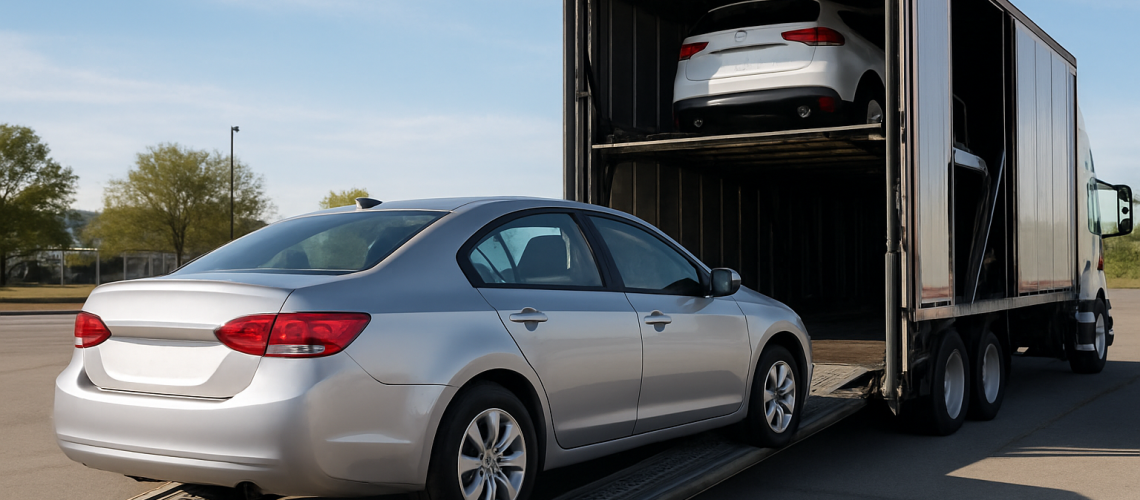
Cross Country Shippers help customers move cars, SUVs, pickups, vans, and specialty vehicles over long distances without adding unnecessary mileage to the vehicle. Webster Hauling is an auto transport broker, so we arrange transportation with qualified motor carriers rather than operating our own fleet.
Because every shipment has a different route, vehicle, schedule, and access situation, long-distance vehicle shipping should be planned around the actual details of the move. Therefore, an accurate quote starts with the pickup ZIP code, delivery ZIP code, vehicle information, operating condition, and first available pickup date.
How Cross Country Shippers Move Vehicles
First, the shipment details are reviewed to determine the route, equipment needs, timing, and carrier availability. Next, transportation is arranged with a motor carrier that can serve the route and handle the vehicle. After that, the assigned carrier coordinates pickup with the contact you provide.
At pickup, the vehicle condition should be reviewed and documented before loading. During transit, the carrier follows its scheduled route, which may include other customer pickups and deliveries. Finally, the vehicle is inspected again at delivery before the final paperwork is completed.
What Information Is Needed Before Shipping?
Accurate information helps prevent avoidable delays. For example, a standard sedan presents different loading requirements from a lifted pickup, an oversized SUV, or a vehicle that does not run.
- Pickup ZIP code and delivery ZIP code
- Vehicle year, make, and model
- Operating condition
- First available pickup date
- Lift kits, oversized tires, lowered suspension, or roof accessories
- Open or enclosed transport preference
- Any access restrictions at pickup or delivery
In addition, tell us whether the vehicle starts, drives, rolls, steers, and brakes. Those details help determine whether standard loading is appropriate or whether special equipment may be needed.
Cross Country Car Shipping: Open or Enclosed?
Open Auto Transport
Open transport is commonly used for everyday cars, SUVs, pickups, vans, and crossovers. The vehicle travels on an uncovered multi-vehicle carrier, so it remains exposed to normal outdoor weather and road conditions.
Because open carriers are widely used, this option often provides broad carrier availability. Learn more in our open car transport guide.
Enclosed Vehicle Transport
Enclosed transportation places the vehicle inside a covered trailer. As a result, customers often consider it for classic, collector, exotic, luxury, restored, or especially valuable vehicles.
Fewer enclosed carriers operate on many routes, so pricing and scheduling can differ from open transport. If added protection is a priority, review our enclosed car transport guide.
What Affects Cross Country Auto Transport Cost?
Long-distance transportation does not have one flat price. Instead, cost changes with the shipment itself. Distance matters, but vehicle size, operating condition, transport type, season, route, pickup flexibility, fuel costs, and carrier availability can also affect the final price.
For example, a full-size pickup uses more trailer space than a compact sedan. Likewise, a non-running vehicle may require additional loading equipment. Remote pickup or delivery locations can also reduce the number of carriers available for a route.
Because market conditions change, a current shipment-specific quote is more useful than an old advertised rate. Our car shipping cost guide explains these pricing factors in more detail.
Preparing for Long-Distance Vehicle Shipping
Good preparation can make pickup easier. Before the carrier arrives, clean the vehicle well enough to document its condition and take clear photos from several angles.
- Remove valuables and unnecessary personal belongings.
- Have all required vehicle keys available.
- Check the tires and battery.
- Look for significant fluid leaks.
- Secure or remove loose exterior accessories.
- Report mechanical problems or major modifications in advance.
- Keep the pickup contact’s phone available.
- Follow the assigned carrier’s fuel-level instructions.
For a more complete list, use our vehicle transport checklist before pickup.
Pickup and Delivery Access
Large auto carriers cannot safely enter every residential street, apartment complex, gated community, or narrow downtown area. However, that does not mean door-to-door service is unavailable. It usually means the carrier gets as close to the requested address as safely and legally practical.
Low branches, steep grades, tight turns, weight restrictions, or limited parking can prevent safe access. In that situation, the driver and customer can coordinate a nearby meeting location, such as a large parking area close to a major road.
How Long Does Cross Country Vehicle Transport Take?
Transit time depends on the specific route and the carrier’s schedule. Longer mileage generally requires more travel time; however, weather, traffic, construction, road closures, scheduled stops, and safe-driving requirements can also affect progress.
Pickup timing and transit timing are separate parts of the schedule. Therefore, customers should avoid treating an estimated delivery date as a guaranteed appointment unless the agreement specifically says otherwise.
If you have a flight, property closing, auction deadline, move-out date, or another firm deadline, mention it before transportation is arranged. That information helps everyone understand the timing requirements from the beginning.
Insurance and Vehicle Condition
Motor carriers are responsible for carrying required insurance, but coverage terms and exclusions can vary. For that reason, review the assigned carrier’s insurance information and transport agreement before pickup.
The vehicle condition should also be documented at pickup on the Bill of Lading or inspection report. Then, at delivery, inspect the vehicle before signing the final paperwork. If you notice a new issue, document it immediately and follow the carrier’s claim instructions.
Consumers can research registered motor carriers through the FMCSA SAFER Company Snapshot.
Shipping a Non-Running Vehicle Across the Country
A non-running vehicle can often be transported when the assigned carrier has suitable loading equipment. However, the exact condition must be disclosed before transportation is arranged.
A vehicle that does not start but still rolls, steers, and brakes is different from one with locked wheels or damaged steering. As a result, detailed information helps match the shipment with appropriate equipment. See our inoperable car shipping guide for more information.
Cross Country Shippers for Online Vehicle Purchases
Long-distance car transport is useful when buying a vehicle from a dealership, private seller, auction, or other location far from home. Before booking transportation, confirm when the vehicle can be released and who will be available to meet the carrier.
In addition, make sure the seller or dealership knows that a motor carrier will be arriving. Clear pickup instructions can reduce delays, especially at large dealerships, auction facilities, storage lots, and gated locations.
How to Evaluate Cross Country Shippers
Before choosing a company, confirm whether you are dealing with a broker or a motor carrier. Then review the company’s experience, communication process, customer feedback, written terms, and how it explains pricing and scheduling.
A very low quote should not be the only reason to book. Instead, compare what the quote includes, how the company communicates, what information it requests, and whether the transportation plan fits your vehicle and route.
Cross Country Car Shipping FAQs
Can Someone Else Meet the Carrier?
In many cases, a responsible adult can handle pickup or delivery if that person has the keys, vehicle access, contact information, and authority to review the inspection and paperwork.
Can Personal Items Stay in the Vehicle?
Carrier policies vary. Therefore, confirm the assigned carrier’s rules before pickup and avoid leaving valuables, important documents, medications, or irreplaceable items inside the vehicle.
Are Pickup and Delivery Dates Guaranteed?
Most vehicle transport schedules are estimates because traffic, weather, road conditions, carrier stops, and other variables can change. If a guaranteed service is available, the written agreement should clearly explain what is guaranteed.
Can Trucks and SUVs Be Shipped Cross Country?
Yes. Many pickups, SUVs, vans, and other larger vehicles can be transported. However, accurate dimensions and modification details matter because larger vehicles use more trailer space and may require different loading arrangements.
Why Work With Webster Hauling?
Webster Hauling is a veteran- and family-owned auto transport broker with more than 25 years of industry experience and an A+ Better Business Bureau rating. We review shipment details, explain transportation options, coordinate communication, and arrange transport with qualified motor carriers.
Because clear expectations matter, we explain our role as a broker and discuss the route, vehicle condition, transport type, and timing before transportation is arranged.
Request a Cross Country Vehicle Shipping Quote
When you are ready to work with Cross Country Shippers, provide the exact pickup ZIP, delivery ZIP, vehicle information, operating condition, and first available date. Webster Hauling can then review the shipment and current carrier options.
Request a free car shipping quote, or visit our auto transport FAQ page for additional information.