Open car transport · Nationwide vehicle shipping
Open Car Transport for Nationwide Vehicle Shipping
Open car transport helps individuals, families and businesses move cars, SUVs and pickup trucks without adding another long-distance drive to an already busy move.
In addition, Webster Hauling coordinates open carrier transportation throughout the continental United States, including family vehicles, purchases, relocations and student cars. Tell us your route, timing and first available pickup date so we can review current carrier options.
Get Your Free Vehicle Shipping Quote
Enter your route, contact information and first available pickup date.
Prefer to speak with us? Call 888-333-6343.
Open Vehicle Transport for Cars, SUVs and Trucks
A long-distance vehicle move can involve housing, work schedules, travel arrangements and family plans all at once. Therefore, adding a long drive can make that schedule harder to manage.
For many customers, open auto transport provides another option. Instead of putting hundreds or thousands of additional miles on the vehicle, an auto carrier can move it between accessible pickup and delivery locations.
When you request a quote, tell us your first available pickup date, destination, vehicle information and scheduling restrictions. Then, we can review the lane and discuss realistic carrier availability.
When Open Carrier Shipping May Make Sense
- An everyday car, SUV or pickup needs long-distance transportation.
- Flying to the destination may be easier than driving the vehicle.
- A firm moving date may leave little time for a long road trip.
- Avoiding cross-country mileage may be important for the vehicle.
- A spouse or family member is traveling separately.
- Buying or selling a vehicle can create another transportation need.
- A second or additional vehicle may need separate shipping.
How Open Vehicle Shipping Works
The goal is to coordinate your vehicle around your move without making the transport process another full-time job.
Request Your Open Auto Transport Quote
First, provide the pickup and delivery ZIP codes, vehicle year, make, model, operating condition and first available date.
Review the Route
Next, we review the route, vehicle size, carrier availability, equipment needs, season and requested timing.
Coordinate Open Carrier Pickup
Afterward, pickup details are coordinated with you or the person authorized to release the vehicle.
Receive Your Vehicle
Finally, the carrier coordinates delivery as close to the requested destination as safely and legally possible.
Pickup Dates and Scheduling for Open Shipping
Your first available date is the first day the vehicle can be released to a carrier. However, it should not be treated as a guaranteed pickup appointment unless a specific arrangement has been confirmed.
Vehicle moves often involve firm travel dates, flights, temporary lodging and housing transitions. Therefore, give us those details when requesting your quote. The more we know about your actual schedule, the better we can discuss transportation options that fit it.
If you need a particularly tight pickup window, tell us at the beginning. As a result, we can better explain how limited scheduling flexibility may affect carrier availability and pricing.
Information for Open Auto Transport
- Pickup ZIP code or city and state
- Destination ZIP code or city and state
- Vehicle year, make and model
- Whether the vehicle runs and drives
- First date the vehicle can be released
- Your moving or travel date, when relevant
- Any oversized tires, lift kits or modifications
- Contact person available at pickup and delivery
Open Auto Transport or Enclosed Car Shipping
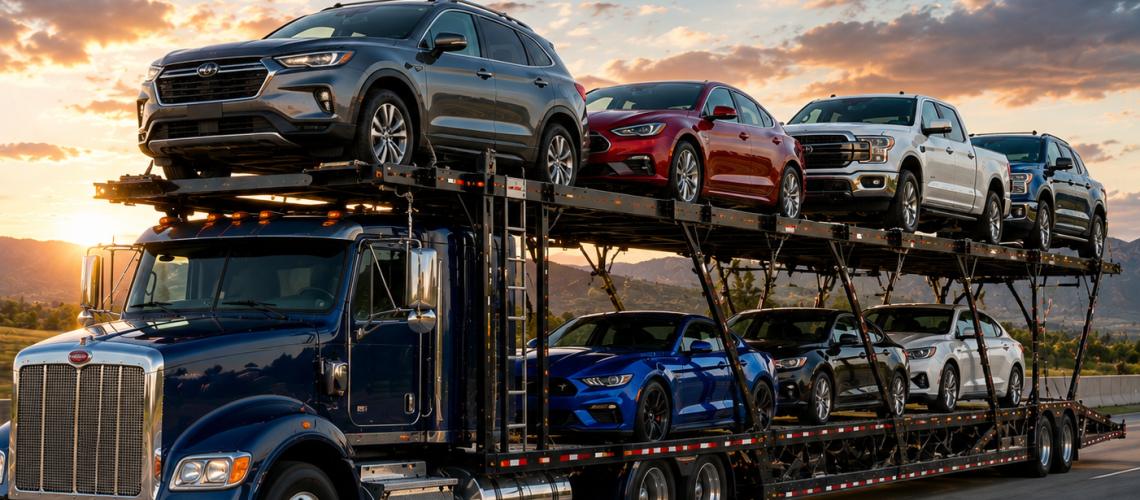
Open Auto Transport
Open transport is commonly used for everyday cars, SUVs and pickup trucks. Because the carrier is uncovered, the vehicle remains exposed to normal weather and road conditions during transit.
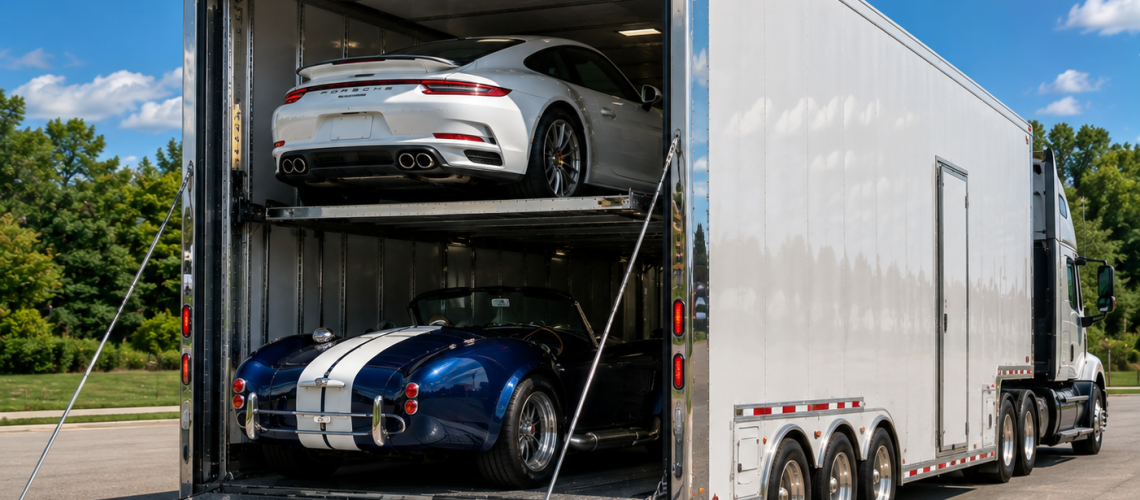
Enclosed Car Transport
Enclosed transport provides additional protection from weather and road debris. For example, it may be considered for classic, collector, luxury, exotic or other vehicles where added protection is a priority.
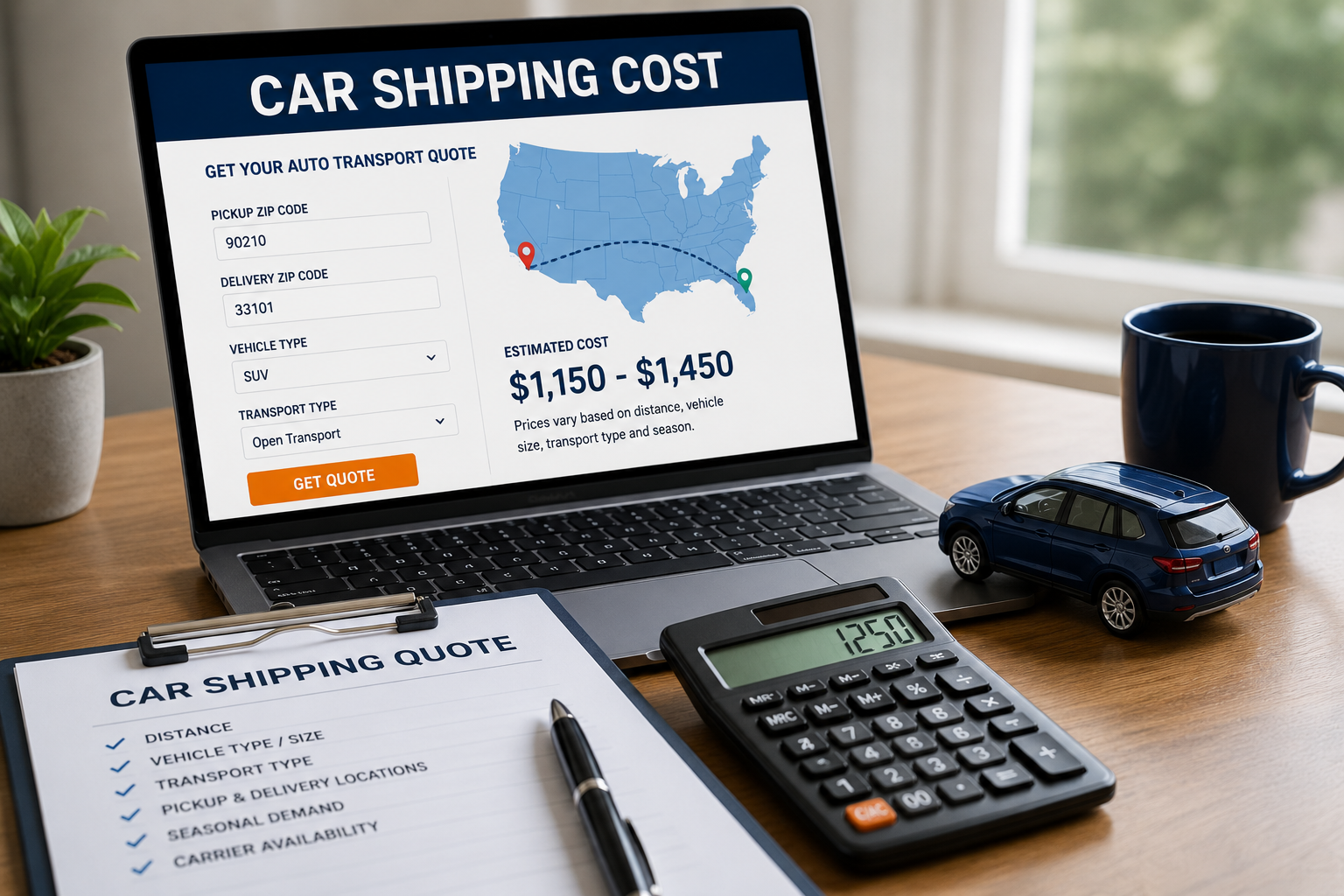
What Affects Open Carrier Shipping Cost?
There is no single nationwide price for an open carrier shipment. Instead, commercial auto transport pricing changes with the specific shipment and current carrier market.
Distance & Route
Distance affects the overall transportation price, while major carrier lanes may provide more scheduling options than remote locations.
Vehicle Size
Larger SUVs, trucks, vans and modified vehicles require more carrier space. Consequently, vehicle size may affect the rate.
Open Carrier Transport Timing
Flexible pickup dates can create more carrier options. However, narrow scheduling requirements may reduce availability.
Open vs. Enclosed
Compared with enclosed shipping, open equipment is generally more widely available for everyday vehicle transportation.
Vehicle Condition
Non-running vehicles may require a winch or other loading equipment. Therefore, disclose the vehicle’s condition when requesting pricing.
Open Auto Shipping Demand
Seasonal demand changes by route. For example, summer moves and north-south traffic can affect carrier availability.
Important Information About Open Carrier Service
This Webster Hauling page describes open commercial auto transport. By comparison, enclosed transportation moves vehicles inside a covered trailer and provides additional protection from normal weather and road exposure.
For many everyday cars, SUVs and pickup trucks, open shipping provides a practical transportation option. However, customers moving collector, exotic, luxury or restored vehicles may prefer enclosed equipment when added protection is important.
Before choosing a carrier type, consider the vehicle’s condition, value, route and your preferred level of protection. In addition, federal resources can help consumers review motor-carrier information.
Preparing Your Vehicle for Open Shipping
- Remove unnecessary personal belongings.
- Take clear photos of the vehicle before pickup.
- Check for fluid leaks and tell us about mechanical issues.
- Make sure the battery is secure and the tires are properly inflated.
- Leave enough fuel for loading and unloading without filling the tank unnecessarily.
- Remove or secure loose aftermarket accessories.
- Have keys available for the carrier.
- Make sure the pickup contact can answer the driver’s call.
Door-to-Door Open Vehicle Transport
Auto transport carriers are large trucks. Because of their size, we coordinate pickup and delivery as close to the requested addresses as safely and legally possible.
Gated communities, narrow streets, low trees, restricted areas and limited turning space may prevent a large carrier from reaching the exact address. In those situations, however, you and the driver can coordinate a nearby accessible meeting location.
If a carrier cannot safely reach the requested address, do not assume the truck can enter the area. Instead, plan an accessible meeting point nearby when necessary.
Why Choose Webster Hauling for Open Car Transport?
Webster Hauling is veteran-owned and operated. Because vehicle moves can involve firm dates, changing schedules, family travel and several transportation details, we understand how complicated the logistics can become. As a result, our goal is to make the vehicle-shipping part of your move easier to manage.
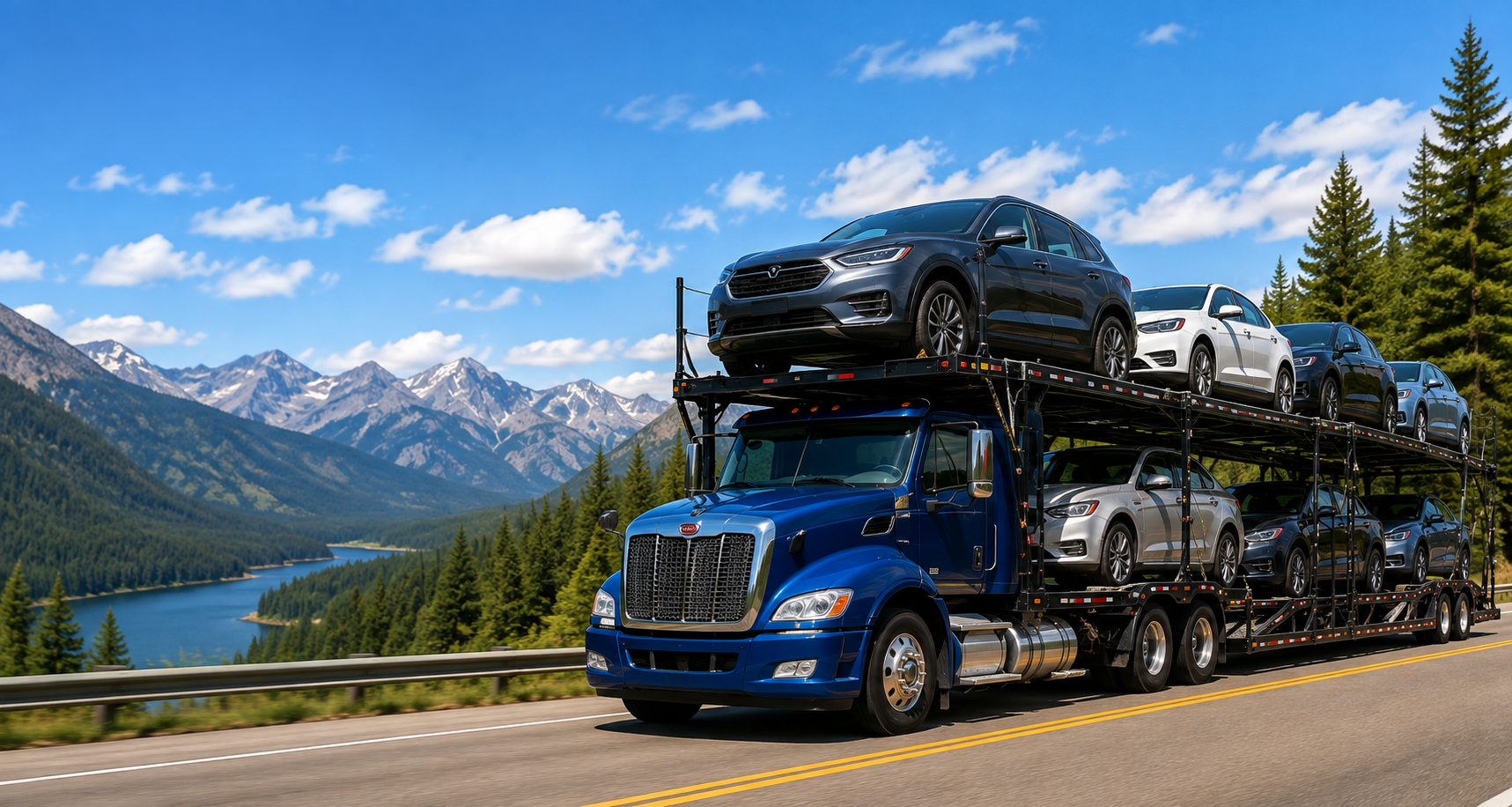
Veteran-Owned and Operated
Webster Hauling is proudly veteran-owned and operated. Therefore, our background reinforces the importance of reliability, practical service and clear communication during a vehicle move.
25+ Years of Open Auto Shipping Experience
With more than 25 years of personal auto transport experience, we know how to evaluate routes, vehicle size, timing, carrier availability and special transport requirements.
Clear Communication From Pickup to Delivery
Transportation schedules can change with routes, weather and carrier timing. For that reason, we focus on keeping you informed about scheduling, pickup details and delivery expectations throughout the shipment.
Open Car Transport FAQs
What is open car transport?
Open carriers use uncovered loading decks to move multiple cars, SUVs and pickup trucks on the same commercial transport equipment.
Is open car shipping covered during transport?
Because the carrier is uncovered, vehicles remain exposed to normal weather and road conditions throughout transportation.
Can SUVs use open vehicle transport?
For SUVs, open transportation is commonly available when the vehicle fits the carrier’s size and loading requirements.
Can pickups use open carrier transport?
Pickup trucks can often use open equipment. However, disclose oversized tires, lift kits and other modifications when requesting pricing.
How early should I request open auto shipping?
Ideally, request pricing once you know the route and first available pickup date. Generally, more notice provides additional scheduling flexibility.
Can the carrier pick my vehicle up at my house?
Residential pickup is often possible when streets provide enough safe and legal access. Otherwise, the driver can coordinate a nearby meeting location.
When should I consider enclosed transportation?
For high-value, collector, exotic or restored vehicles, enclosed equipment may be worth considering when additional protection is important.
Ready to Book Open Car Transport?
Use the open car transport quote form at the top of this page, or call us to discuss your route, vehicle and first available pickup date.
Webster Hauling
Veteran-owned and family-operated vehicle transport coordination with more than 25 years of auto transport experience.
Toll Free: 888-333-6343
Local: 479-316-2329
Email: Wayne@WeCarTransport.com
