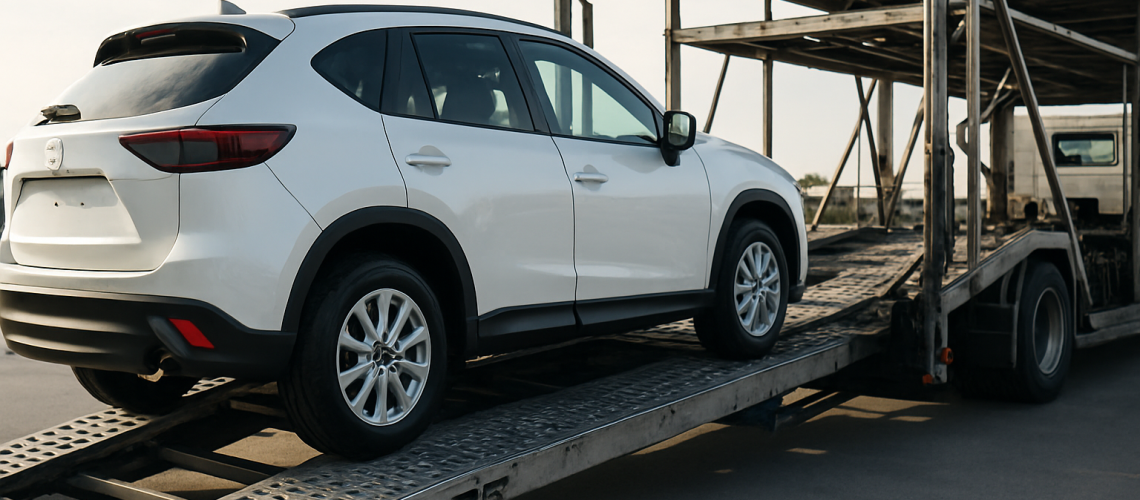
Vehicle shipping prices depend on more than distance alone. Route demand, vehicle size, equipment, season, timing, and carrier availability all affect the quote. Understanding those factors helps customers compare estimates and avoid unrealistic offers.
This guide explains the main pricing factors and shows how to plan a long-distance shipment. It also covers vehicle preparation, carrier verification, and ways to compare transport companies.
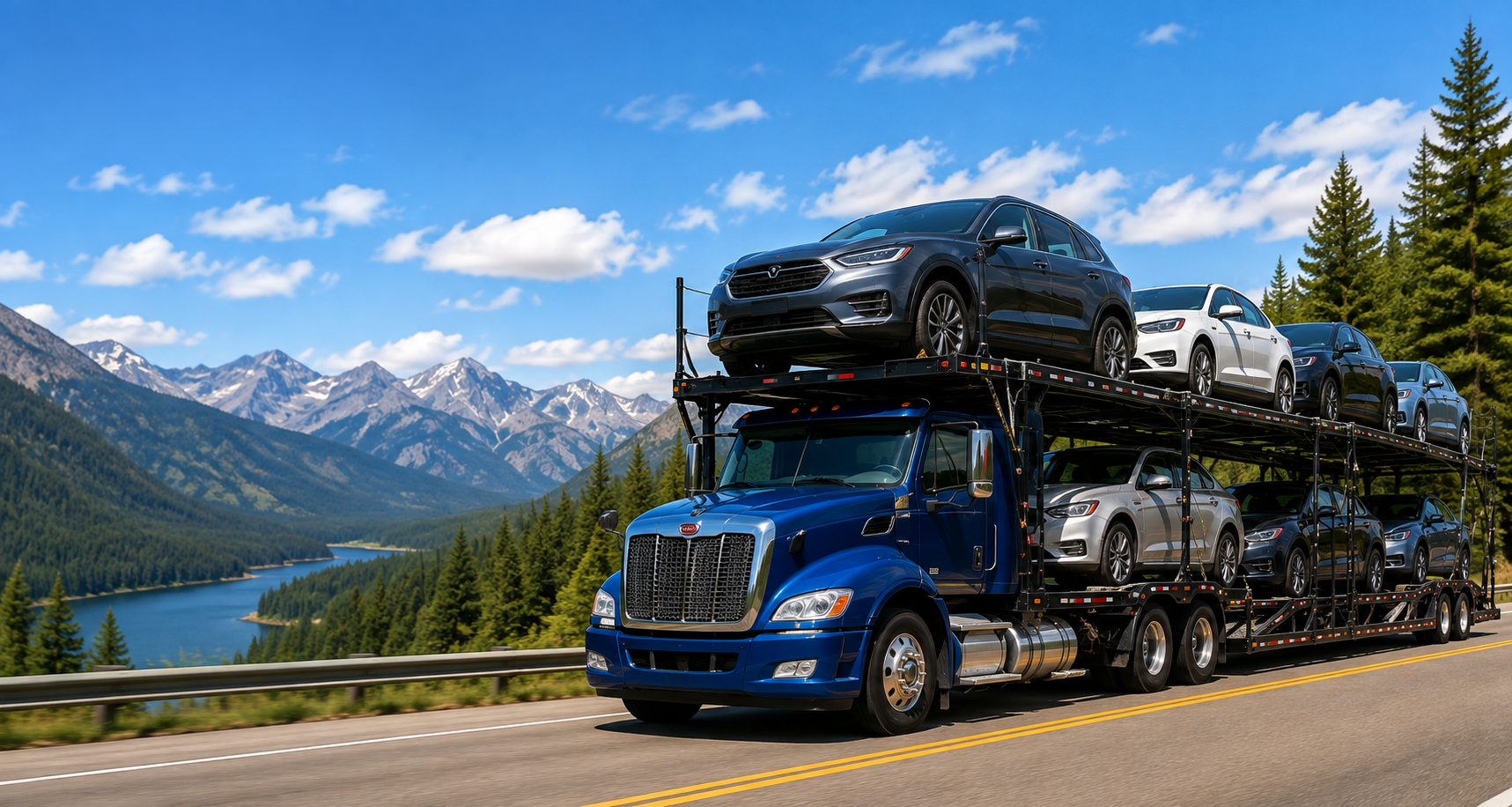
What Affects Vehicle Shipping Prices?
Distance matters because longer routes require more fuel, driver time, and equipment use. However, mileage does not tell the whole story. A busy interstate lane may attract more carriers than a remote route with the same distance.
Vehicle size also matters. A compact car uses less trailer space than a large SUV or pickup. Therefore, larger vehicles often require a stronger carrier offer.
Running condition can change the quote too. A vehicle that does not start may need winch equipment. In addition, low clearance, oversized tires, or modifications can limit equipment choices.
- Route: Major lanes often offer more carrier activity.
- Vehicle size: Larger vehicles use more trailer space.
- Condition: Non-running vehicles may need special loading equipment.
- Equipment: Enclosed service usually costs more than open transport.
- Season: Demand shifts throughout the year.
- Timing: Flexible pickup dates may create more carrier options.
Open Versus Enclosed Transport Cost
Open transport works well for most everyday cars, SUVs, and pickups. It also offers broad carrier availability on many routes. Customers can review our open car transport guide for more details.
Enclosed transport adds protection from weather and road debris. Owners often choose it for classics, exotics, luxury vehicles, and restored cars. However, enclosed trailers carry fewer vehicles, so the price usually rises.
When comparing vehicle shipping prices, make sure every quote uses the same transport type. Otherwise, the numbers may appear different for reasons unrelated to the company.
How to Compare Vehicle Shipping Prices
First, compare quotes for the same vehicle, route, pickup window, and equipment type. Next, ask what the quoted amount includes. A low number may look attractive but may not match current carrier demand.
In addition, ask whether the company reviewed the current route market. Reliable pricing should reflect what carriers accept for similar moves now. It should not rely only on an old rate table.
Customers should also compare communication and business history. Price matters, but clear expectations can prevent confusion later. Therefore, review licensing, independent ratings, and the company’s explanation of the process.
Example Long-Distance Route: Georgia to Oregon
Georgia has long played an important transportation role in the Southeast. Atlanta became a major rail and highway hub. In addition, the state remains a strong logistics center.
Oregon attracts people for technology jobs, outdoor recreation, education, and family relocations. Customers also buy everyday and specialty vehicles from sellers outside the state.
A Georgia-to-Oregon shipment crosses a large part of the country. Therefore, route demand, season, vehicle size, and timing can influence the quote.
For a long route like this, vehicle shipping prices may change as carrier demand changes. Flexible dates can sometimes create more options. However, a narrow pickup window can reduce them.
Ways to Keep Car Transport Cost Reasonable
Flexibility can help when the route supports it. For example, a wider pickup window gives the broker more time to compare carrier interest. However, flexibility does not guarantee a lower price.
Open transport usually provides the most economical option for a standard running vehicle. In addition, accurate vehicle information prevents last-minute changes caused by unexpected size or condition issues.
Customers should also avoid choosing a quote only because it is the lowest. A number far below the market may struggle to attract a carrier. As a result, the shipment may require a later price adjustment.
Prepare the Vehicle Before Pickup
Good preparation helps the driver load safely and gives the owner a clear condition record. First, remove valuables and unnecessary personal items. Next, photograph the vehicle before pickup.
- Take photos from several angles.
- Record existing scratches, dents, or damage.
- Check tire pressure and battery condition.
- Report leaks or mechanical problems.
- Disclose low clearance and modifications.
- Provide a working key.
- Keep pickup and delivery contacts available.
For more preparation help, use our vehicle preparation guide.
Verify the Transport Company and Carrier
Before booking, confirm the company’s federal authority and business history. You can review broker and carrier records through the FMCSA licensing lookup.
Next, read independent customer reviews and business profiles. The U.S. Department of Transportation also provides transportation information and consumer resources.
When comparing vehicle shipping prices, ask how the company selects carriers and reviews insurance. Good communication matters as much as the initial quote.
Why Choose Webster Hauling?
Webster Hauling has helped customers coordinate vehicle transportation since 2001. With more than 25 years of experience, we understand how routes, seasons, vehicles, and timing affect the market.
Our A+ Better Business Bureau rating gives customers another way to review our history. Visit our BBB profile before booking.
Webster Hauling focuses on realistic pricing, reliability, affordability, and clear communication. We review the actual route and vehicle instead of forcing every shipment into one generic number.
For vehicle shipping prices, we consider the current market, vehicle size, route, season, and customer timing. That approach helps create a more useful planning range.
Customers can also visit the Webster Hauling homepage or review our vehicle shipping FAQs.
Car Shipping Cost FAQs
Why do quotes change? Carrier demand can change by route, season, and timing. Vehicle details can also change the amount.
Does a longer route always cost more per mile? Not always. Longer routes may have a lower cost per mile, although the total price can still be higher.
Does a large SUV cost more than a sedan? Often, yes. Larger vehicles use more trailer space and may require a stronger carrier offer.
Can flexible pickup dates help? Sometimes. A wider window may provide more carrier options when the lane supports them.
Should I choose the lowest quote? Not automatically. Compare licensing, reputation, communication, equipment, and the current route market before deciding.
Final Thoughts on Car Transport Pricing
Vehicle shipping prices make more sense when customers understand the factors behind the quote. Distance matters, but route demand, vehicle size, season, equipment, and timing matter too.
Compare equivalent services, verify the provider, and prepare the vehicle before pickup. Then, request a personalized car shipping quote for the actual route and vehicle.
