Vehicle Transport Certificate is a phrase people sometimes use when asking which paperwork they need to ship a car. In U.S. domestic auto transport, customers usually receive several documents rather than one universal certificate with that exact name. Those records can include a transport agreement, Bill of Lading, vehicle condition report, booking confirmation, and carrier insurance information.
Before pickup, review every document for accuracy. Also confirm the vehicle, pickup and delivery contacts, addresses, transportation method, and timing information. Clear paperwork makes the handoff easier and gives you records to keep after delivery.
Need Help Understanding Your Auto Transport Paperwork?
Webster Hauling can explain the shipping process and the documents you should review before vehicle pickup.
What a Vehicle Transport Certificate Means
When someone asks for a Vehicle Transport Certificate, they may mean the paperwork connected with shipping a vehicle. However, one document does not normally cover every part of a domestic auto shipment.
Instead, each record serves a different purpose. For example, the transport agreement explains service terms, while the Bill of Lading helps document the actual shipment. In addition, a condition report records visible vehicle condition at pickup and delivery.
Therefore, focus on what each document does rather than expecting one certificate to handle the entire move.
Which Documents Replace a Vehicle Transport Certificate?
Several records work together during an auto shipment. Although forms vary by provider and carrier, customers commonly see documents that identify the vehicle, route, contacts, service terms, and condition.
- A booking confirmation or transport agreement.
- Vehicle year, make, model, and identifying information.
- Pickup and delivery addresses.
- Contact information for pickup and delivery.
- Open or enclosed transport details.
- Estimated pickup and delivery scheduling.
- A Bill of Lading.
- Vehicle condition report or inspection paperwork.
- Applicable motor carrier insurance information.
Before signing, compare the paperwork with the transportation you requested. If something looks wrong, ask for a correction before the vehicle leaves.
Why the Bill of Lading Matters
The Bill of Lading, often called a BOL, provides an important record of the shipment. It can identify the vehicle, pickup and delivery information, carrier details, and other transportation information.
At pickup, review the BOL before the carrier leaves with the vehicle. Additionally, keep your copy throughout transit and after delivery.
Because the BOL often works with the condition inspection, it can help show what the parties recorded when the carrier accepted the vehicle. If questions arise later, that record can become important.
How a Vehicle Condition Report Protects the Record
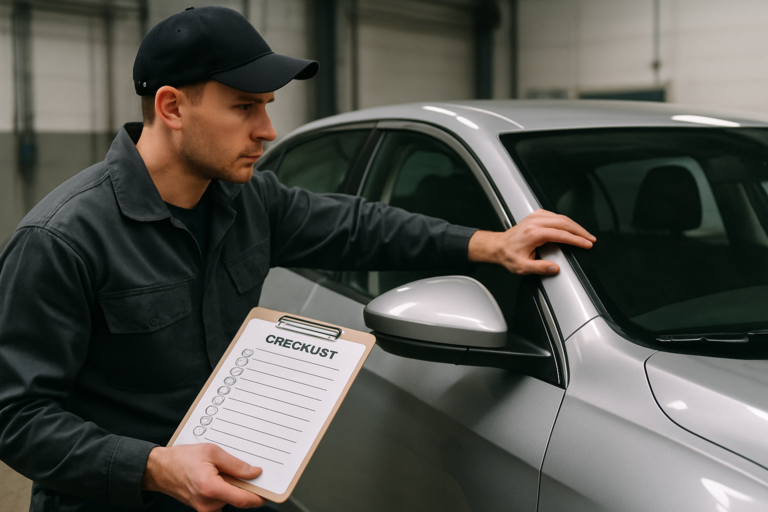
A vehicle condition report records visible condition at pickup and again at delivery. The driver may note scratches, dents, chips, wheel damage, or other visible marks during the inspection.
Before loading, walk around the vehicle when possible. Also take clear photographs from several angles, including the wheels, glass, bumpers, and any existing damage.
At delivery, compare the vehicle with your pickup photographs and the transportation paperwork. If you find a new concern, photograph it immediately and note it on the appropriate delivery paperwork before completing the inspection.
For more detail, review our vehicle inspection form guide.
Review the Transport Agreement Before Signing
A transport agreement explains the service terms surrounding the shipment. Those terms may address pricing, payment, cancellation, scheduling, responsibilities, and other details.
First, confirm the vehicle and locations. Next, check whether the agreement lists open or enclosed transportation and whether the payment terms match what you discussed.
Scheduling deserves special attention. Weather, traffic, road conditions, carrier availability, mechanical problems, and earlier scheduled vehicles can affect timing. Therefore, understand whether the listed dates represent estimates, windows, or specific appointments.
What Should Vehicle Shipping Documents Include?
Good shipping paperwork should make the shipment easy to identify. In addition, it should give the customer enough information to understand the move and verify key details.
- Vehicle year, make, model, and identifying details.
- Pickup and delivery locations.
- Contact information for pickup and delivery.
- The selected transportation method.
- Applicable shipment charges and payment terms.
- Vehicle condition information.
- Motor carrier information when applicable.
- Applicable insurance or coverage information.
- Customer and driver acknowledgments where required.
If the paperwork contains an error, request a correction before signing. Accurate records become especially useful if someone later questions the shipment, condition, timing, or agreed service.
Vehicle Transport Certificate and Federal Registration
A Vehicle Transport Certificate does not replace researching the company that arranges or carries your vehicle. Customers should verify the businesses involved before handing over a vehicle.
Webster Hauling operates as an auto transport broker. We arrange transportation with qualified motor carriers rather than operating our own fleet.
Consumers can review registered motor carrier information through the FMCSA SAFER Company Snapshot. In addition, customers can review the Webster Hauling Better Business Bureau profile.
Insurance Information Is Different From the Bill of Lading
Customers sometimes treat all transportation paperwork as if it serves the same purpose. However, insurance records and shipping records answer different questions.
The Bill of Lading and condition report help document the shipment and vehicle condition. Insurance information, by contrast, describes applicable coverage and policy terms.
Before pickup, ask questions about carrier coverage and review the information available for the assigned carrier. Do not assume every carrier has identical limits, deductibles, exclusions, or procedures.
Our auto transport insurance guide explains this topic in more detail.
What a Vehicle Transport Certificate Is Not
A Vehicle Transport Certificate is not the same thing as a vehicle title or state registration. Those documents relate to ownership or state registration rather than the shipping process.
Also, a carrier’s certificate of insurance differs from a Bill of Lading. The names may sound similar, but the records serve different purposes.
International vehicle transportation can require customs, export, import, or port paperwork that does not normally apply to standard domestic interstate transport. Therefore, customers shipping outside the continental U.S. should confirm the specific documentation requirements for that move.
Preparing Your Vehicle and Paperwork Before Pickup
Good preparation makes the pickup inspection easier. Before the carrier arrives, review the shipment details and prepare the vehicle for loading.
- Confirm the pickup and delivery addresses.
- Verify the vehicle year, make, and model.
- Check that the correct transportation method appears on the paperwork.
- Take clear photographs of the vehicle.
- Remove unnecessary loose belongings and valuables.
- Disable or remove toll tags when appropriate.
- Check for significant fluid leaks.
- Keep enough fuel for loading and unloading without carrying an unnecessary full tank.
- Provide the keys needed to operate the vehicle.
- Tell us about mechanical issues before carrier assignment.
Finally, use our vehicle transport checklist before pickup for a complete preparation review.
Vehicle Transport Certificate FAQs
Is a Vehicle Transport Certificate Federally Required?
Customers should not assume one universal federal document with that exact name applies to every domestic auto shipment. Instead, several transportation records may work together during booking, pickup, transit, and delivery.
What Is the Most Important Document at Pickup?
The Bill of Lading and vehicle condition documentation are especially important. Review them carefully before the vehicle leaves and keep your copies.
Should I Take My Own Vehicle Photographs?
Yes. Clear pickup photographs create an additional record of the vehicle’s condition. Then take another set at delivery so you can compare the vehicle before completing the final inspection.
How Can I Research an Interstate Transport Company?
Start with applicable FMCSA registration information. Additionally, review the company’s experience, reputation, and contact information before scheduling transportation.
Does the Paperwork Guarantee an Exact Delivery Date?
Not necessarily. Review the scheduling terms carefully because weather, traffic, road conditions, carrier scheduling, and other factors can affect transportation timing.
Should I Keep My Documents After Delivery?
Yes. Keep important transportation paperwork, photographs, and related records after delivery in case a question arises later.
Why Work With Webster Hauling?
Webster Hauling is a veteran- and family-owned auto transport broker with more than 25 years of industry experience. We help customers understand the transportation process, review the route, and arrange transportation with qualified motor carriers.
In addition, Webster Hauling maintains an A+ Better Business Bureau rating. We focus on practical communication so customers know what information they need before pickup and what to expect during transport.
Most importantly, customers should understand the documents they receive and the information they approve. If a term or form is unclear, ask about it before the vehicle moves.
Understand Your Vehicle Transport Certificate Before Pickup
Understanding a Vehicle Transport Certificate starts with recognizing that domestic auto shipping usually involves several records rather than one universal certificate. The Bill of Lading, condition report, transport agreement, insurance information, and registration details each serve different purposes.
Before pickup, review the paperwork, take photographs, keep copies of important documents, and research the companies involved. As a result, you will have a clearer record of the shipment from pickup through final delivery.
Ready to Arrange Vehicle Transportation?
Request a quote based on your actual vehicle, pickup location, delivery location, and timing.
For more answers about preparation, pickup, delivery, insurance, and other transport questions, visit our auto transport FAQ page.
