
Vehicle shipping time can be affected by distance, transportation route, weather, traffic, carrier scheduling, pickup and delivery locations, and other conditions encountered during transit. Although transportation providers can discuss estimated timelines, vehicle shipping involves variables that can change after a car is picked up.
Knowing what can cause delays makes it easier to plan around your shipment without assuming that every delivery will occur at an exact time.
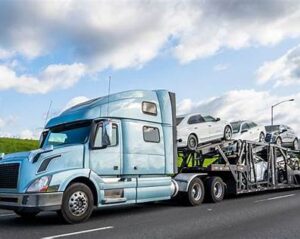
[INSERT VEHICLE SHIPPING TIME IMAGE HERE]
Image alt text: Vehicle shipping time for cars traveling on an open auto transport carrier
What Affects Vehicle Shipping Time?
Several factors can influence vehicle shipping time, including:
- Total transportation distance
- Pickup and delivery locations
- Highway and route conditions
- Weather
- Traffic
- Carrier schedules
- Other pickup and delivery stops
- Vehicle condition
- Safe driving requirements
Some of these factors can be anticipated before transportation begins, while others can develop while the carrier is already on the road.
How Distance Affects Transport Time
Distance is one of the clearest factors affecting vehicle transport time.
A regional shipment naturally involves a different trip than transporting a vehicle across several states or across the country.
However, mileage shouldn’t be used by itself to calculate an exact arrival time.
Auto carriers commonly transport multiple vehicles, and their routes can include several pickup and delivery stops.
The actual transportation schedule therefore depends on more than the number of highway miles between two addresses.
Can Weather Delay Vehicle Shipping?
Yes. Weather can affect vehicle shipping time when conditions make commercial travel slower or unsafe.
Potential problems include:
- Heavy rain
- Snow
- Ice
- High winds
- Severe thunderstorms
- Flooding
- Reduced visibility
- Weather-related road closures
Conditions can also be very different along a long-distance route.
Your pickup location might have clear skies while the carrier encounters severe weather hundreds of miles away.
Safety should take priority over maintaining an estimated arrival schedule.
How Traffic and Road Conditions Affect Delivery
Traffic can influence your auto transport timeline, particularly near major cities or during periods of heavy highway congestion.
Potential delays include:
- Traffic accidents
- Construction zones
- Road closures
- Detours
- Major events
- Rush-hour congestion
- Emergency road restrictions
A carrier traveling hundreds or thousands of miles may encounter several of these conditions during one shipment.
This is why transportation timelines are better understood as estimates rather than simple mileage calculations.
Why the Transportation Route Matters
The route can affect vehicle shipping time even when two shipments cover approximately the same distance.
Major interstate corridors may have different carrier traffic and road conditions than rural or remote routes.
Pickup and delivery points away from frequently traveled transportation corridors may also require additional routing.
Carrier schedules aren’t necessarily identical for every part of the country, so location and route should be considered along with mileage.
Can Other Pickup and Delivery Stops Affect Shipping Time?
Yes. Auto carriers frequently transport multiple vehicles at once.
A driver’s route may include other scheduled pickups and deliveries.
Those stops can affect the overall vehicle transport schedule, and vehicles may sometimes need to be repositioned as other automobiles are loaded or unloaded.
This is normal for multi-vehicle transportation.
It also explains why shipping a vehicle isn’t necessarily equivalent to having someone drive directly from the pickup address to the destination without stopping.
Does Pickup Scheduling Count as Vehicle Shipping Time?
This depends on how the transportation timeline is being described.
There are two periods worth distinguishing:
Pickup scheduling involves coordinating a carrier and arranging collection of the vehicle.
Transit time begins after the vehicle has been loaded and is traveling toward its destination.
When discussing vehicle shipping time, ask whether the estimate refers to pickup, transit after loading, or the complete process.
Understanding the difference can prevent confusion when planning around transportation.
Why Commercial Driver Requirements Matter
Commercial drivers operate under federal safety requirements, including rules related to driving and rest periods.
This means an auto shipping timeline can’t accurately be calculated by dividing total mileage by highway speed and assuming continuous driving.
Safe commercial transportation requires appropriate rest and compliance with applicable regulations.
Consumers can research motor carrier information through the Federal Motor Carrier Safety Administration and find additional transportation information through the U.S. Department of Transportation.
Can Vehicle Condition Affect the Timeline?
It can.
A vehicle that doesn’t run normally may require different loading arrangements.
Before pickup, explain whether the automobile:
- Starts
- Drives
- Rolls
- Steers
- Brakes
Providing accurate condition information helps the transportation provider understand the loading requirements before arriving.
Unexpected problems at pickup can complicate a vehicle shipping schedule, particularly when the carrier was expecting a normally operating automobile.
Can Pickup Location Cause Delays?
Location accessibility can also influence vehicle shipping time.
Auto carriers are large commercial vehicles and require enough space to maneuver safely.
Potential obstacles include:
- Narrow residential streets
- Low-hanging trees
- Tight turns
- Steep roads
- Gated entrances
- Weight restrictions
- Parking restrictions
- Limited loading areas
If a carrier can’t safely reach an exact address, a nearby accessible meeting location may need to be coordinated.
Discussing accessibility beforehand can help make pickup more efficient.
How Can You Help Prevent Pickup Delays?
Preparing the vehicle before the carrier arrives can help the process go more smoothly.
Before pickup:
- Have the necessary keys available.
- Make sure the vehicle is accessible.
- Remove valuables and unnecessary belongings.
- Secure loose exterior accessories.
- Check for significant fluid leaks.
- Disclose mechanical problems.
- Mention significant modifications.
- Confirm contact information.
- Take clear vehicle photographs.
If someone else will release the automobile, make sure that person understands the transportation arrangements.
Good preparation can’t eliminate every possible delay, but it can help avoid preventable problems at pickup.
Should You Leave Extra Time in Your Schedule?
When possible, some scheduling flexibility can make planning around vehicle transport time easier.
This can be particularly important when transportation is connected to:
- A household move
- Airline travel
- A vehicle purchase
- An auction
- College
- Military relocation
- Seasonal relocation
- A vehicle sale
If you have a firm deadline, communicate it when arranging transportation.
Don’t assume an estimated delivery date automatically means an exact guaranteed arrival time.
What Happens If Transportation Is Delayed?
Communication becomes particularly important when conditions affect vehicle shipping time.
Make sure the transportation provider has current contact information and that someone will be available to discuss delivery arrangements.
If another person will receive the vehicle, make sure that person’s contact information and availability are coordinated as needed.
Weather, traffic, road conditions, and other circumstances can change while a vehicle is already in transit, so keeping communication open can make schedule changes easier to manage.
Vehicle Shipping Time FAQs
How Long Does Long-Distance Vehicle Transport Take?
Long-distance transportation generally requires more transit time than a shorter regional shipment. Actual vehicle shipping time depends on distance, route, stops, road conditions, weather, carrier scheduling, and other transportation factors.
Can Bad Weather Delay Vehicle Delivery?
Yes. Snow, ice, storms, flooding, high winds, and other unsafe conditions can affect a vehicle transport timeline.
Is Pickup Time Included in the Shipping Estimate?
Not necessarily. Ask whether the estimate describes pickup scheduling, transit after loading, or the complete transportation process.
Can Traffic Delay an Auto Carrier?
Yes. Commercial auto carriers travel on the same highway network as other traffic and can encounter congestion, construction, accidents, closures, and detours.
Can I Get an Exact Vehicle Delivery Time?
Transportation providers can discuss estimated scheduling, but road conditions, weather, traffic, stops, and other factors may affect arrival. Make sure you understand how the delivery timeframe is being described.
For more answers about vehicle transportation, visit Webster Hauling’s Frequently Asked Questions page.
Plan Around Your Vehicle Shipping Time
Understanding vehicle shipping time means looking at the entire transportation process rather than mileage alone.
Distance, route, weather, traffic, carrier schedules, pickup and delivery accessibility, vehicle condition, and other factors can influence how transportation progresses.
Webster Hauling helps customers coordinate vehicle transportation based on their vehicle, route, and scheduling needs.
Have your vehicle information, pickup location, destination, condition, and preferred dates ready when you contact Webster Hauling to discuss transportation.
