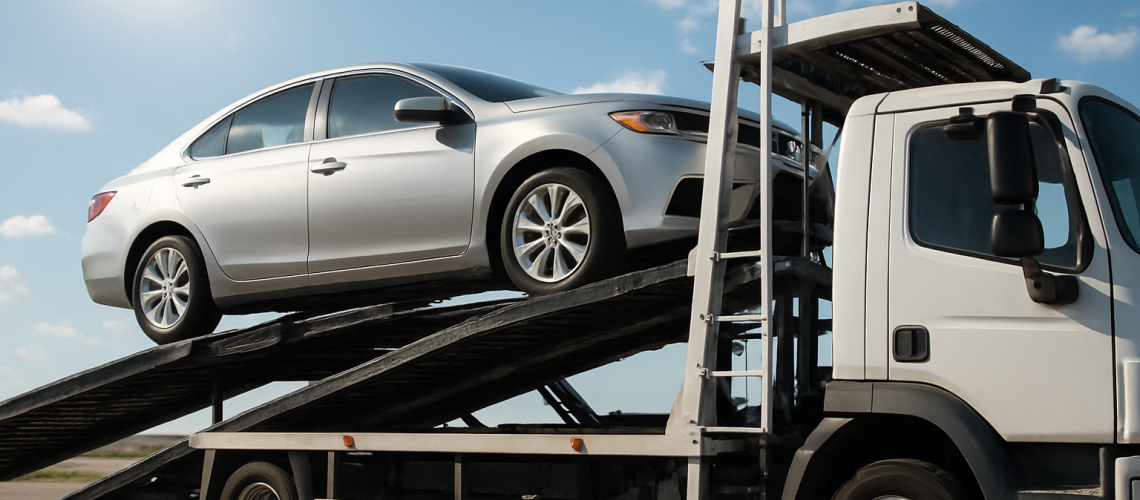
When comparing vehicle shipping options, one of the first questions customers ask is: what does car transport cost? There is no single nationwide price because every shipment has a different route, vehicle, timing requirement, and carrier market. The most useful way to understand the price is to look at the factors that affect the quote.
How Much Does Car Transport Cost?
The total price usually starts with the distance between pickup and delivery. However, mileage is only one part of the calculation. Vehicle size, route demand, transport type, operating condition, and scheduling flexibility can all influence vehicle transport pricing.
For example, a standard sedan moving between two major metro areas may fit easily into a carrier’s existing route. By contrast, a large pickup moving between rural locations may require more trailer space and additional travel away from heavily used corridors. As a result, two trips with similar mileage can receive different quotes.
Main Factors That Affect Car Transport Cost
Several practical details can change car transport cost. Therefore, an accurate quote should be based on the specific vehicle and route instead of a generic national average.
Distance and Route
Longer trips generally require more carrier time, fuel, and operating expense. At the same time, route popularity matters. Heavily traveled corridors may offer more carrier availability, while remote pickup or delivery areas can require extra travel. Consequently, auto transport cost can change even when two routes cover a similar number of miles.
Vehicle Size and Weight
A larger SUV, pickup, van, or oversized vehicle uses more trailer space than a compact car. In addition, heavier vehicles can affect how a carrier balances the load. That is why the vehicle year, make, model, and modifications should be provided before a quote is prepared.
Open or Enclosed Transport
Open car transport is commonly selected for standard daily drivers because open carriers are widely used throughout the auto transport industry. Meanwhile, enclosed car transport provides additional protection from direct weather and road exposure for classic, collector, exotic, or high-value vehicles. Because enclosed equipment serves a different market and has less capacity, its pricing is often different from open transport.
Vehicle Operating Condition
A vehicle that starts, steers, rolls, and brakes is generally easier to load. However, an inoperable vehicle may need a carrier equipped with a winch or other loading equipment. Therefore, accurately describing the vehicle condition helps avoid problems later in the process.
Pickup and Delivery Location
Major cities and interstate corridors often attract more carrier traffic than remote areas. For that reason, rural pickup or delivery locations may affect scheduling and car shipping price. In some cases, meeting a carrier near a larger road or nearby city can provide more options, but that depends on the shipment.
Timing and Carrier Availability
Demand changes throughout the year and can vary by region. Weather, seasonal relocation patterns, major travel periods, and the number of available carriers may influence auto shipping rates. Likewise, a very narrow pickup window can reduce the number of carriers able to accept a shipment.
How to Compare Car Transport Cost Quotes
When reviewing quotes, compare more than the total number. A useful quote should reflect the correct vehicle, locations, transport type, and timing. In addition, ask what is included and whether any shipment details could change the price later.
- Confirm the exact vehicle: Make sure the quote reflects the correct year, make, model, and condition.
- Verify the locations: Use accurate pickup and delivery ZIP codes.
- Review transport type: Confirm whether the quote is for open or enclosed equipment.
- Discuss timing: Ask how your first available date and flexibility affect scheduling.
- Review the paperwork: Read the transport agreement and applicable carrier information before pickup.
Consumers can research motor-carrier information through the Federal Motor Carrier Safety Administration. In addition, the U.S. Department of Transportation provides transportation information and consumer resources.
Ways to Keep Vehicle Shipping Cost Practical
There is no guaranteed method for getting the lowest possible car transport cost, but good planning can make the process easier. First, provide accurate information from the beginning. Next, allow reasonable scheduling flexibility when possible. Also, choose the transport type that matches the vehicle rather than automatically selecting the most expensive option.
Preparation can also prevent avoidable delays. Before pickup, remove valuables and unnecessary belongings, take clear vehicle photos, check for major leaks, and have working keys ready. Our vehicle preparation guide explains additional steps that can help before the carrier arrives.
Why Webster Hauling for Vehicle Transport Pricing?
Webster Hauling brings more than 25 years of personal auto transport experience to the shipping process. We focus on practical communication, reliable coordination, and affordable transportation options based on the actual route and vehicle. In addition, our A+ BBB rating gives customers another place to review our business record.
Rather than presenting a one-size-fits-all number, we look at the details that actually influence vehicle shipping cost. That includes the vehicle, pickup location, delivery location, operating condition, transport type, and preferred timing. You can also review our frequently asked auto transport questions before requesting a quote.
Frequently Asked Questions About Car Transport Cost
Is Enclosed Transport More Expensive Than Open Transport?
Enclosed and open carriers serve different needs and have different equipment and capacity. Therefore, enclosed transport is often priced differently. The right option depends on the vehicle and the level of protection you want.
Does a Longer Route Always Mean a Higher Price?
Distance is an important factor, but it is not the only one. Route demand, carrier availability, vehicle size, and pickup or delivery access can also affect the final quote.
Can a Non-Running Vehicle Be Transported?
It may be possible to move an inoperable vehicle when suitable loading equipment is available. However, the transport provider needs accurate information about whether the vehicle rolls, steers, and brakes.
Does Pickup Location Affect Car Transport Cost?
Yes, location can matter because carriers travel some corridors more frequently than others. Remote areas may require additional routing or scheduling flexibility. Therefore, pickup and delivery locations are important parts of determining car transport cost.
Should I Rely on a National Average?
A national average does not account for your exact vehicle, route, timing, or transport type. Therefore, a shipment-specific quote is more useful than a generic number when planning your transportation budget.
Get a Car Transport Cost Quote for Your Route
Understanding car transport cost starts with the details of your actual shipment. Distance matters, but so do vehicle size, route demand, carrier type, condition, location, and scheduling flexibility. Webster Hauling can help you review those factors and plan the move with more realistic expectations.
For a shipment-specific estimate, visit Webster Hauling or contact us with your vehicle, pickup location, delivery location, and preferred dates. That information allows us to evaluate the route instead of relying on a generic pricing assumption.
