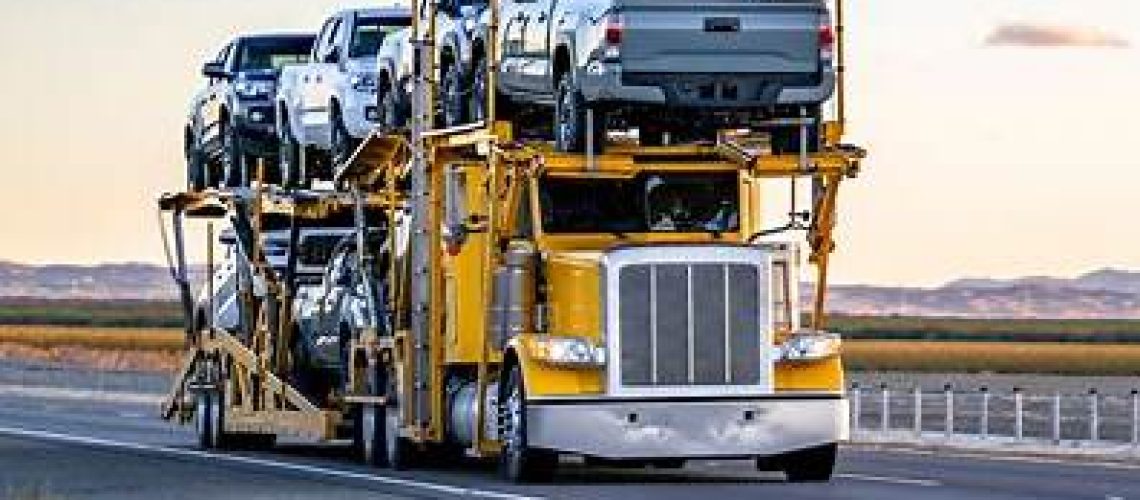
Car Transport Process describes the steps used to move a vehicle from one location to another with a professional auto carrier. The process normally begins with a quote and transportation order. Next, the vehicle is prepared, inspected, picked up, transported, and inspected again at delivery.
Customers can choose between open and enclosed transportation depending on the vehicle and their needs. Additionally, distance, vehicle size, condition, route, and carrier availability can affect pricing and scheduling.
Webster Hauling helps customers coordinate vehicle transportation throughout the continental United States. Understanding each step before pickup can make the experience easier and help customers know what to expect.
How the Car Transport Process Works
The transportation process begins when you provide information about the vehicle and route. The company will typically need the pickup location, delivery location, vehicle year, make, model, operating condition, and your preferred timing.
Next, transportation is coordinated with an appropriate carrier. The carrier type depends on the service selected and the vehicle being shipped.
Before pickup, prepare the automobile and document its condition. Then, at pickup, the vehicle is inspected and loaded. After transportation, you or an authorized representative should inspect it again at delivery.
Understanding the Auto Transport Process Step by Step
The Auto Transport Process becomes easier to understand when it is divided into individual steps.
- Request a quote: Provide accurate vehicle, pickup, delivery, and timing information.
- Choose a transport method: Decide whether open or enclosed transportation fits your vehicle.
- Schedule transportation: Review the estimated pickup window and other shipment details.
- Prepare the vehicle: Clean it, remove unnecessary belongings, and check its basic condition.
- Document existing damage: Take photographs and review the vehicle before loading.
- Carrier pickup: The vehicle is inspected and loaded onto the appropriate transporter.
- Transportation: The carrier travels toward the destination while coordinating delivery.
- Final inspection: Inspect the automobile and review the applicable delivery paperwork.
Customers can find additional transportation information on the Webster Hauling auto transport FAQ.
Open or Enclosed Vehicle Transport Process?
The Vehicle Transport Process can use either open or enclosed equipment. Open carriers are commonly used for standard cars, pickups, SUVs, and vans.
Open transportation generally provides broad carrier availability and economical pricing. Several vehicles can travel on the same trailer, which makes this option practical for many everyday automobiles.
Enclosed transportation provides additional protection from direct weather and road exposure. Therefore, owners often consider it for classic, exotic, luxury, restored, or especially valuable vehicles.
Neither choice is automatically right for every vehicle. Consider value, ground clearance, condition, budget, and the level of protection you prefer.
What Affects Car Transport Process Costs?
Several factors influence vehicle shipping prices. Distance is important, but it is only one part of the quote.
- Distance: Longer routes usually require more carrier time and fuel.
- Vehicle size: Large pickups and SUVs require more trailer space.
- Vehicle condition: Inoperable vehicles may require additional loading equipment.
- Transport type: Enclosed transportation generally costs more than open transport.
- Pickup and delivery locations: Remote areas can have different carrier availability.
- Season and demand: Transportation demand changes throughout the year.
- Scheduling flexibility: Available pickup dates can influence carrier options.
Therefore, provide accurate information when requesting a quote. An incorrect vehicle size, operating condition, or location can change transportation requirements later.
Vehicle Shipping Process Pickup Checklist
A good Vehicle Shipping Process includes preparing the automobile before the carrier arrives. Proper preparation also makes the pickup inspection easier.
- Wash the exterior so visible damage is easier to identify.
- Take clear photographs from several angles.
- Remove valuables and unnecessary personal belongings.
- Remove or disable toll tags when appropriate.
- Check the battery and tire condition.
- Look for significant fluid leaks.
- Leave approximately one-quarter tank of fuel.
- Secure loose exterior accessories.
- Provide working vehicle keys.
- Tell the provider about mechanical problems or modifications.
For more detail, review Webster Hauling’s guide on how to prepare a car for shipping.
What Happens During Vehicle Pickup?
Before loading, inspect the vehicle with the appropriate pickup documentation. Take your own photographs even if the carrier is also documenting condition.
The vehicle is then positioned and secured on the carrier. Loading procedures depend on the equipment, vehicle dimensions, and operating condition.
Large carriers also require safe access. Therefore, some residential streets or restricted areas may not be suitable for loading. Webster Hauling provides more information about vehicle pickup and delivery locations.
What Happens While the Car Is in Transport?
Once loaded, the carrier begins the route toward the destination. However, vehicle transport differs from parcel delivery because carriers may have several scheduled vehicles along their route.
Weather, traffic, road closures, safe driving requirements, and carrier scheduling can influence timing. Consequently, customers should understand whether their pickup and delivery dates are estimated windows or specific arrangements.
Communication methods can also vary. Some providers coordinate updates by telephone or text, while other arrangements differ. Therefore, ask how transportation updates work before booking instead of assuming real-time GPS tracking is included.
Car Shipping Process Inspection and Delivery
The Car Shipping Process does not end when the carrier reaches the destination. A final vehicle inspection is an important part of delivery.
Compare the automobile with your pickup photographs and applicable transportation paperwork. Walk around the vehicle and look at the body panels, glass, wheels, and other visible areas.
If you notice a new concern, photograph it immediately and document it on the appropriate delivery paperwork. Webster Hauling provides additional information about the vehicle inspection form.
Insurance During the Auto Shipping Process
The Auto Shipping Process also involves understanding applicable carrier coverage. Customers should not assume every shipment has identical insurance terms or coverage limits.
Instead, review the relevant information before pickup and ask questions if anything is unclear. Keep your photographs and transportation records until the shipment is complete.
Webster Hauling provides additional guidance about insurance during auto transport.
How to Choose a Trustworthy Car Transport Provider
A low advertised price should not be the only factor when selecting a company. Consider experience, reputation, communication, transportation options, and whether the company clearly explains how the shipment will work.
Consumers can research applicable federal carrier information using the Federal Motor Carrier Safety Administration carrier search.
Additionally, customers can review the Webster Hauling Better Business Bureau profile. Researching a provider before booking can help you make a better-informed decision.
Frequently Asked Questions About the Auto Shipping Process
How long does vehicle transport take?
Transit time varies by distance, route, weather, traffic, carrier availability, and other scheduled vehicles. Therefore, avoid assuming that every shipment fits a single nationwide delivery timeframe.
Can an inoperable car be transported?
Often, yes. However, tell the transportation company beforehand. A non-running vehicle may require different loading equipment or arrangements.
Can I track my car during transportation?
Communication and tracking options vary by provider and carrier. Ask how updates will be handled before booking rather than assuming real-time tracking is provided.
Is my vehicle insured while being transported?
Applicable carrier coverage should be reviewed before pickup. Coverage terms can vary, so ask questions and keep your transportation documentation.
Can I put belongings inside my vehicle?
Policies can vary. Remove valuables and unnecessary belongings, and confirm the current personal-property policy before pickup.
What happens if I notice damage at delivery?
Photograph the concern and document it on the appropriate delivery paperwork before completing the inspection. Then follow the applicable claims procedure.
Why Choose Webster Hauling for Car Transport?
Webster Hauling brings more than 25 years of auto transport experience to customers moving vehicles throughout the continental United States. That experience helps customers understand the transportation process from planning through delivery.
The company also maintains an A+ Better Business Bureau rating. Additionally, Webster Hauling focuses on reliable communication and practical coordination rather than unrealistic transportation promises.
Affordability matters too. Customers can discuss open and enclosed transportation options based on their vehicle, route, timing, and budget.
Whether you are relocating, purchasing a vehicle, sending a car to family, or planning a seasonal move, Webster Hauling can help coordinate the transportation details.
Understanding the Car Transport Process Before You Book
A successful Car Transport Process starts with accurate information and realistic expectations. Choose the appropriate carrier type, prepare the automobile, document its condition, and review the transportation details before pickup.
Then inspect the vehicle again at delivery and keep important records until the shipment is complete. Clear communication throughout the move can also make transportation easier to manage.
Webster Hauling combines more than 25 years of experience with dependable coordination, affordable transportation options, and an A+ BBB rating.
Finally, consumers can review official federal transportation and safety information through the U.S. Department of Transportation before arranging interstate vehicle transport.
