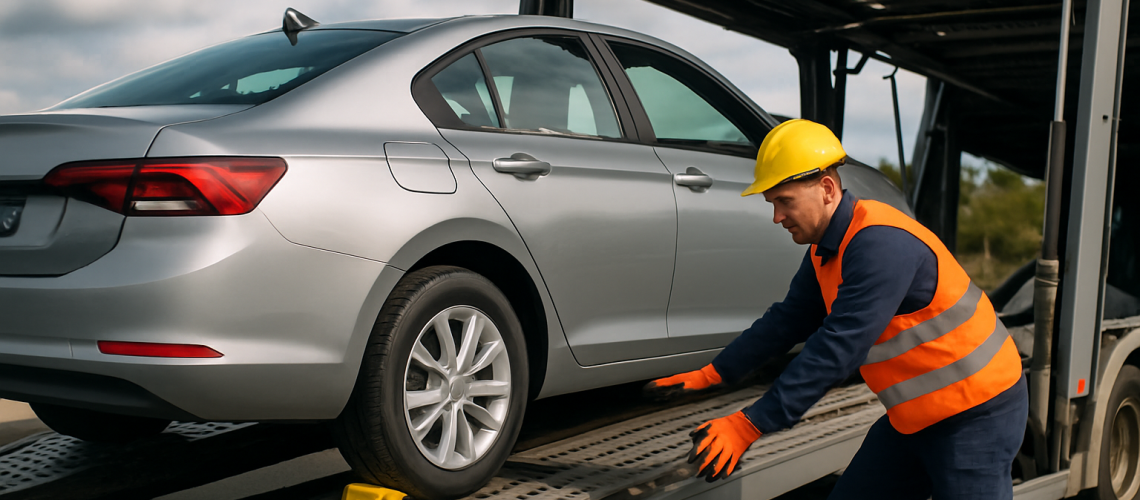
Transporting your car safely is crucial, especially if you’re doing it for the first time. Whether you’re moving across the country or just a few states away, understanding the basics of car transport can save you time, money, and stress. This guide will provide you with essential safe car transport tips for beginners.
Choosing the Right Transport Method
One of the first decisions you’ll need to make is how you want your car transported. There are several options available, each with its own benefits and costs. Generally, the most common methods include open transport, enclosed transport, and flatbed transport. Open transport is the most affordable and widely used option, but it exposes your vehicle to the elements. Enclosed transport offers more protection but at a higher cost. Flatbed transport is typically used for oversized or non-running vehicles. Consider your budget and the level of protection you want for your car when making this decision.
Preparing Your Car for Transport
Before handing your vehicle over to the transport company, it’s important to prepare it properly. This includes removing personal belongings, checking for any existing damage, and ensuring the car is in good working condition. Take photos of your vehicle from all angles to document its condition. This step is crucial in case of any disputes regarding damage during transport.
Understanding Insurance Coverage
Insurance is a key consideration when planning to transport your vehicle. Most car transport companies offer some level of insurance, but it’s important to confirm the details. Ask about the coverage limits and what is and isn’t covered. It’s also wise to check with your own car insurance provider to see if your policy covers car transport.
Scheduling Your Transport
Timing can significantly affect the cost and convenience of your car transport. Plan ahead and try to schedule your transport during off-peak seasons when demand is lower, as this can result in better rates and more availability. Keep in mind that factors like distance, route, and carrier availability can affect transport timelines.
What to Expect on Pickup and Delivery
On the day of pickup, be present to hand over your car and go through the inspection process with the driver. This includes checking the Bill of Lading, which will detail the condition of your vehicle and act as a receipt. Upon delivery, inspect your car again for any damage. Compare it to the photos you took before the transport to ensure nothing was missed.
Webster Hauling: Your Reliable Transport Partner
With over 25 years of experience in personal auto transport, Webster Hauling provides reliable and affordable options for car transport. Our A+ rating with the BBB reflects our commitment to customer satisfaction. We offer a range of transport methods to suit your needs and ensure your vehicle arrives safely at its destination.
FAQs About Car Transport
- How do I find a reputable car transport company?
Research online reviews, check for BBB ratings, and ask for recommendations from friends or family. - Can I pack personal items in my car during transport?
It’s generally not recommended as it can affect insurance coverage and increase weight. - What if my car is not running?
Non-running vehicles can be transported, but they may require special equipment and incur additional fees.
Conclusion
Transporting your car doesn’t have to be a stressful experience. By following these safe car transport tips for beginners, you can ensure a smooth and hassle-free process. Remember to choose the right transport method, prepare your car properly, and verify insurance coverage. Trust Webster Hauling to provide reliable and professional service for all your car transport needs. Contact us today with your vehicle details, pickup and delivery locations, and preferred timing to get started.
