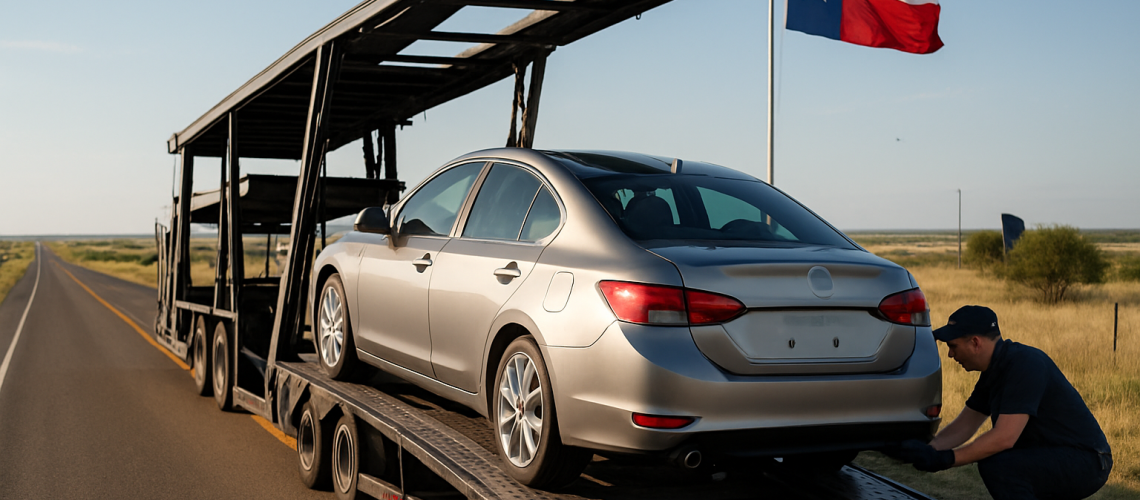
Car transport Texas preparation starts with documenting your vehicle, removing unnecessary belongings, checking basic operating items, and confirming the pickup location. Because Texas includes dense metro areas, long interstate corridors, and rural roads, both the vehicle and the meeting point deserve attention before the carrier arrives.
A careful Texas vehicle shipping plan also gives you a clearer record of the car before transport. That can make pickup easier, reduce avoidable delays, and help you compare the vehicle’s visible condition again at delivery.
Car Transport Texas Preparation Starts With a Clean Vehicle
Before pickup, wash or reasonably clean the exterior so existing scratches, dents, chips, and other marks are easier to see. You do not need a professional detail. However, a clean surface makes condition photos more useful.
Next, take clear photos from several angles. Include the front, rear, both sides, wheels, windshield, and any existing damage. Keep those images until after delivery. This simple step supports a more organized Texas auto transport handoff.
Remove Valuables and Unnecessary Belongings
Personal-property policies can vary by provider and carrier. Therefore, remove valuables and unnecessary items before pickup. Do not assume household goods or personal belongings receive the same protection as the vehicle.
Loose items can also shift while the vehicle is loaded or transported. For that reason, confirm the provider’s current policy before leaving anything in the car, SUV, pickup, or van. Clear expectations make car shipping in Texas easier to coordinate.
Check the Vehicle Before Texas Auto Transport
Basic operating condition matters during loading and unloading. A vehicle that starts, rolls, steers, and brakes normally is generally easier to handle than an inoperable vehicle.
- Battery: Make sure it has enough charge for loading and unloading.
- Tires: Check for visibly low or damaged tires.
- Fluids: Look for major leaks and report known issues.
- Fuel: Avoid filling the tank unnecessarily before transport.
- Keys: Have working keys ready for the carrier.
- Modifications: Report lift kits, oversized tires, roof accessories, or low ground clearance.
If the vehicle does not run, tell the provider before scheduling. Special loading equipment may be required, and carrier availability can depend on the vehicle’s exact condition. Accurate details help the vehicle transport in Texas process start with the right expectations.
Car Transport Texas Pickup Access Matters
Large auto carriers need enough room to turn, stop, and load safely. In Dallas, Houston, Austin, San Antonio, and other busy areas, narrow streets, gated communities, low branches, or parking restrictions can affect the meeting point.
Rural Texas can create different challenges. A narrow road, soft shoulder, low bridge, or limited turnaround space may require a nearby meeting location. Therefore, discuss access before pickup rather than waiting until the truck arrives.
If the carrier cannot safely reach your exact address, the driver may coordinate a nearby location with enough room. Good access planning supports a smoother Texas car shipping pickup.
Secure Accessories, Toll Tags, and Alarms
Before the vehicle leaves, secure removable or loose accessories when practical. Fold mirrors when appropriate, retract antennas when possible, and make sure exterior items cannot move during transport.
Also, remove toll tags or disable them when practical. Otherwise, electronic toll systems may record charges while the car rides on a carrier. If the vehicle has an alarm system, make sure the carrier can operate or disable it if needed.
Review Documents Before Car Transport Texas Pickup
Your preparation should include reviewing the paperwork provided for the shipment. Depending on the move, that may include a Bill of Lading, condition information, booking details, or applicable carrier coverage information.
Do not assume every company uses identical documents or insurance terms. Instead, review the information provided and ask questions before the vehicle leaves. At pickup, compare the vehicle’s visible condition with your photos and the carrier’s inspection information.
Consumers can research motor-carrier information through the FMCSA Licensing and Insurance search. The U.S. Department of Transportation also provides transportation information for consumers.
What to Do When the Vehicle Arrives
The process does not end when the carrier leaves Texas. At delivery, inspect the vehicle again before the handoff is complete. Compare its visible condition with the photos you took before pickup.
If you notice a new concern, document it promptly and note it on the appropriate delivery paperwork. Keep copies of your photos and shipment documents in case you need them later. A careful delivery review is part of a well-managed Texas vehicle shipping process.
Common Texas Vehicle Shipping Mistakes to Avoid
Many transport problems begin with incomplete information rather than the vehicle itself. Therefore, avoid waiting until pickup to disclose important details.
- Operating condition: Tell the provider if the vehicle does not run normally.
- Vehicle modifications: Mention oversized tires, lift kits, roof accessories, or low clearance.
- Personal belongings: Remove valuables and confirm the current policy.
- Pickup access: Make sure the planned meeting area can accommodate a large carrier.
- Condition photos: Take current images instead of relying on older pictures.
- Timing: Treat pickup and delivery windows as estimates unless the provider specifically confirms otherwise.
Providing accurate information helps the provider match the shipment with suitable equipment and a practical route. It can also make the Texas auto transport experience easier to understand from the start.
Why Webster Hauling for Car Transport Texas?
Webster Hauling brings more than 25 years of personal auto transport experience to vehicle shipping. We coordinate transportation based on the vehicle, route, timing, pickup and delivery locations, and transport needs.
In addition, Webster Hauling has an A+ BBB rating. You can review our Better Business Bureau profile before deciding whether to work with us.
We focus on reliable coordination, clear communication, and affordable transportation options. Whether the route begins in a major Texas metro area or a smaller community, accurate vehicle details and realistic scheduling help us plan the move.
Car Transport Texas FAQs
Should I Wash the Vehicle Before Shipping?
A reasonably clean exterior makes existing marks easier to see and photograph. You do not need to professionally detail the vehicle.
Can I Leave Personal Items Inside?
Policies vary by provider and carrier. Remove valuables and unnecessary belongings, then confirm the current policy before pickup.
Can a Non-Running Vehicle Be Transported?
It may be possible when suitable loading equipment is available. Tell the provider whether the vehicle starts, rolls, steers, and brakes.
Should I Take Photos Before Pickup?
Yes. Current photos provide a useful record of the vehicle’s visible condition before transport.
What Documents Should I Have Ready?
Document requirements can vary. Review the booking and carrier information provided for your shipment, and ask the provider what it needs from you before pickup.
Plan Car Transport Texas With Better Preparation
A successful car transport Texas shipment starts with accurate vehicle information, practical pickup access, current condition photos, and clear expectations. Preparing those details before the carrier arrives can make the process easier for everyone involved.
For additional guidance, review our vehicle preparation guide and auto transport FAQ. You can also contact Webster Hauling with your Texas pickup location, destination, vehicle details, and preferred dates.
